In recent years, Bitcoin has become a household name, and with it, the role of the bitcoin miner has gained increasing attention. But what exactly is a bitcoin miner, and why is it so important in the world of cryptocurrency?
Understanding the Role of a Bitcoin Miner
A bitcoin miner is an individual or entity that uses computing power to validate transactions on the Bitcoin blockchain. The process they engage in is known as mining, and it involves solving complex mathematical problems. When these problems are solved, new blocks are added to the blockchain, and the miner is rewarded with newly minted bitcoins and transaction fees.
How Bitcoin Mining Works
Bitcoin mining relies on a consensus mechanism called Proof of Work (PoW). Every time a transaction occurs on the Bitcoin network, it must be verified and recorded. A bitcoin miner collects these transactions and attempts to bundle them into a block. To add this block to the chain, the miner must solve a cryptographic puzzle—a process that requires a significant amount of computational power.
The first bitcoin miner to successfully solve the puzzle gets the right to add the block to the blockchain and receive a block reward. As of now, this reward is 3.125 bitcoins (as of the latest halving in 2024), and it is the main incentive for miners to participate in the network.
Hardware and Software for Bitcoin Miners
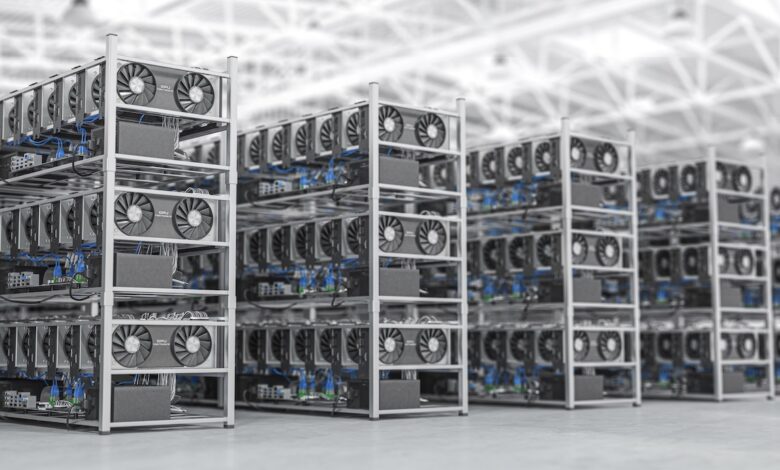
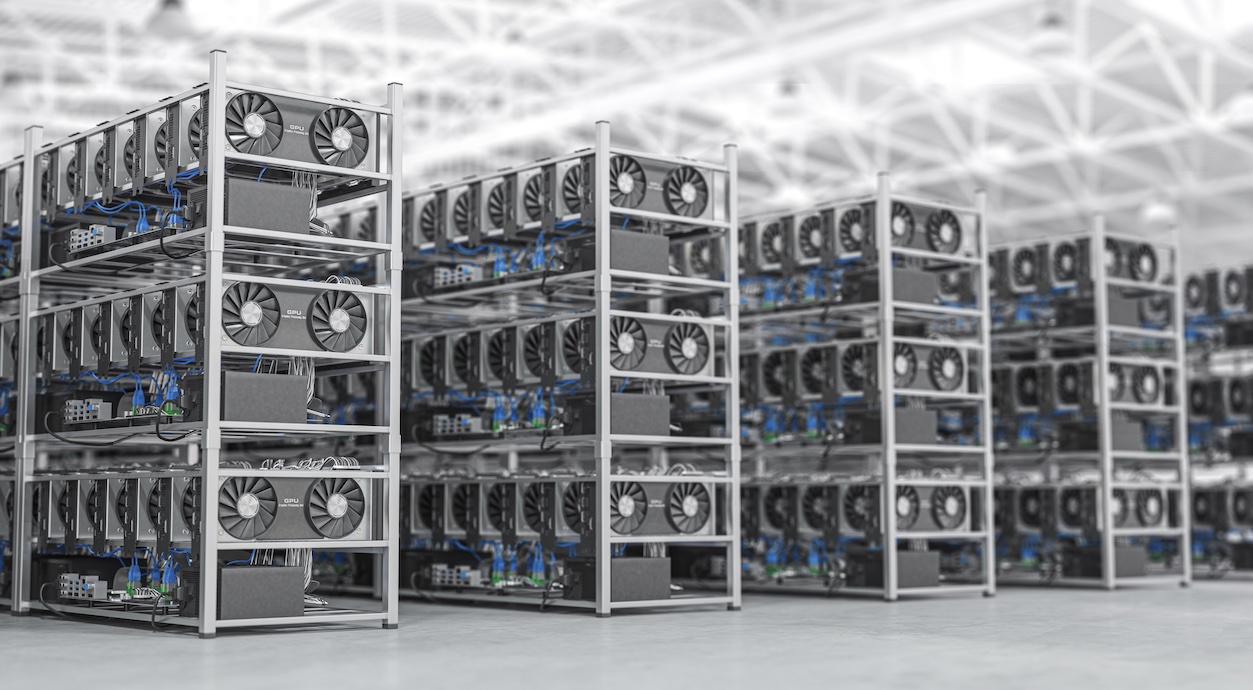
In the early days of Bitcoin, anyone with a regular home computer could be a bitcoin miner. However, as the network has grown and the mining difficulty has increased, more specialized hardware is now required. Modern miners use ASICs (Application-Specific Integrated Circuits), which are designed specifically for mining Bitcoin.
Alongside hardware, bitcoin miners also need reliable mining software and access to a mining pool—a collective group of miners who work together to increase their chances of earning rewards and share the profits.
Environmental Concerns and Solutions
Bitcoin mining has come under scrutiny due to its high energy consumption. Critics argue that the vast energy use by bitcoin miners contributes to environmental issues, especially when fossil fuels are the primary energy source.
To address this, many miners are now turning to renewable energy sources like hydro, wind, and solar. Some bitcoin miners are even setting up operations in regions with surplus energy to reduce waste and lower their carbon footprint.
Is Becoming a Bitcoin Miner Still Profitable?
The profitability of being a bitcoin miner depends on several factors:
-
Electricity costs
-
Mining hardware efficiency
-
Bitcoin market price
-
Mining difficulty and block rewards
While it is still possible to make a profit, the barrier to entry is significantly higher than it was in the past. Today, many independent bitcoin miners find it more practical to join mining pools or invest in cloud mining services rather than setting up their own rigs.
Conclusion
A bitcoin miner plays a critical role in keeping the Bitcoin network secure, decentralized, and operational. Despite challenges like high energy costs and increasing competition, mining remains a cornerstone of the cryptocurrency ecosystem. As technology advances and the industry evolves, the future of the bitcoin miner will likely include more efficient hardware and a greater reliance on sustainable energy solutions.
Whether you’re considering becoming a bitcoin miner or just curious about how the system works, understanding the basics of mining is essential to appreciating the mechanics behind the world’s most popular cryptocurrency.