Customer relationships are the backbone of any successful business. As companies grow, managing leads, tracking conversations, and nurturing prospects becomes increasingly complex. This is where Sales CRM (Customer Relationship Management) software comes into play. However, many businesses struggle with a key question: when is the right time to invest in a sales CRM? The answer depends less on company size and more on operational needs, growth goals, and current challenges.
1. When Lead and Customer Data Becomes Hard to Manage
If your sales data is scattered across spreadsheets, emails, notebooks, or individual team members’ memories, it’s a strong signal that you need a CRM. Disorganized data often leads to missed follow-ups, duplicate outreach, and lost opportunities. A sales CRM centralizes all customer and lead information in one place, giving your team a single source of truth. When keeping track of customer interactions becomes time-consuming or error-prone, investing in CRM software is no longer optional—it’s essential.
2. When Your Sales Team Is Growing
A small sales team can sometimes function without a CRM, relying on informal communication and manual tracking. But as soon as your team grows, this approach breaks down. New hires need visibility into existing leads, deal histories, and communication logs. A CRM ensures consistency in how sales activities are tracked and executed, making onboarding faster and collaboration smoother. If you’re hiring more salespeople or planning to scale your sales operations, that’s an ideal time to invest in CRM software.
3. When Follow-Ups and Conversions Are Slipping
Missed follow-ups are one of the biggest reasons deals fall through. If prospects are going cold because your team forgets to call back, send emails late, or lose track of deal stages, a CRM can solve this problem. Sales CRM software automates reminders, tracks deal progress, and highlights which opportunities need immediate attention. When you notice declining conversion rates despite healthy lead volume, it’s often a process issue that CRM technology can fix.
4. When You Need Better Sales Visibility and Forecasting
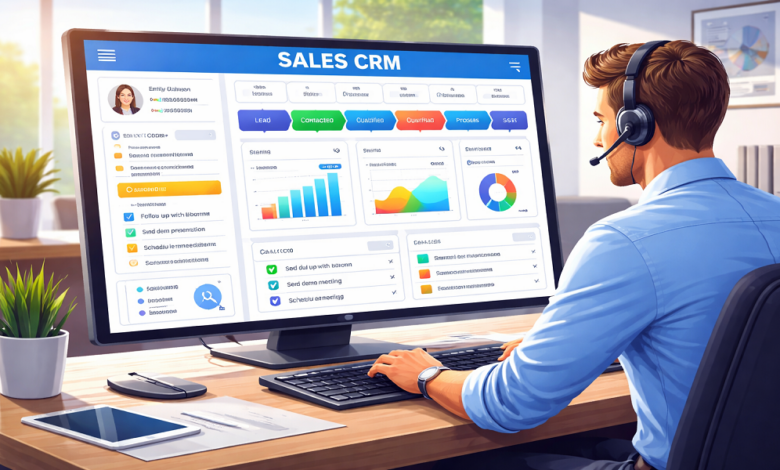
As leadership, making decisions without accurate sales data is risky. If you can’t easily answer questions like “What’s our pipeline value?”, “Which deals are likely to close this month?”, or “Who are our top-performing reps?”, you’re operating in the dark. A sales CRM provides dashboards, reports, and forecasts that turn raw data into actionable insights. When strategic planning becomes difficult due to lack of visibility, it’s time to invest in CRM software.
5. When Customer Experience Starts to Suffer
Modern customers expect personalized, timely, and consistent interactions. If customers have to repeat information, receive irrelevant messages, or experience inconsistent service across touchpoints, your reputation can suffer. A sales CRM helps your team understand customer history, preferences, and previous interactions, enabling more personalized engagement. When maintaining high-quality customer experiences becomes challenging, CRM software becomes a valuable investment.
6. When Manual Processes Are Slowing You Down
Sales teams often waste hours on manual tasks such as data entry, updating spreadsheets, and sending routine emails. These activities reduce time spent on selling. A CRM automates many of these processes, from lead assignment to follow-up emails and pipeline updates. If administrative work is eating into your team’s productivity, investing in a CRM can deliver immediate efficiency gains.
7. When You’re Focused on Long-Term Growth
Ultimately, a sales CRM is not just a tool for today—it’s an investment in future growth. Businesses aiming for predictable revenue, scalable processes, and data-driven decision-making benefit the most from CRM software. Even small businesses can gain a competitive advantage by adopting CRM early, building strong sales foundations before complexity sets in.
Conclusion
There’s no single “perfect” time for every business to invest in sales CRM software. However, clear signs—such as disorganized data, growing sales teams, missed follow-ups, poor visibility, and scaling ambitions—indicate that the time is now. The earlier a business adopts the right CRM, the smoother its sales operations, customer relationships, and growth journey will be.