Ras Al Khor Wildlife Sanctuary: A Wetland Wonderland Famous for Flamingos and Birdlife

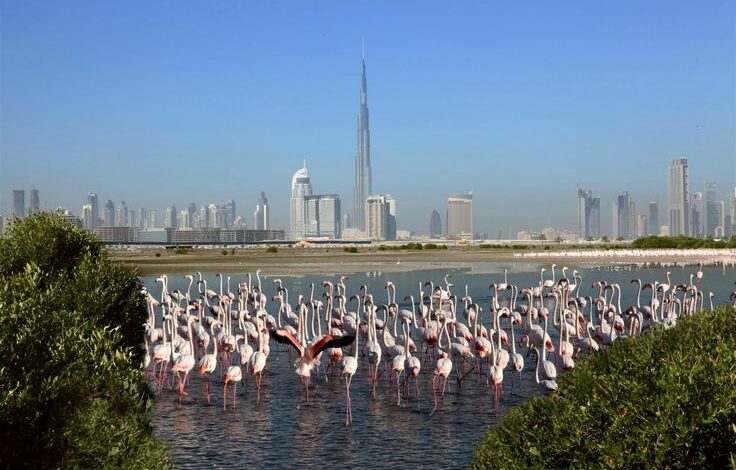
Dubai is often associated with skyscrapers, luxury shopping, and desert adventures, but hidden just a short drive from the bustling heart of the city is a completely different world , Ras Al Khor Wildlife Sanctuary. This urban wetland reserve, nestled at the mouth of Dubai Creek, is a peaceful escape where nature thrives undisturbed. Best known for its spectacular congregation of pink flamingos, the sanctuary is also home to over 450 species of wildlife, including migratory birds, crustaceans, and plant life.
For international travelers who want to explore Dubai’s natural side, especially those planning a nature-themed itinerary, applying for an online Dubai visa from India can streamline your travel planning. This sanctuary is one of the few locations in the Middle East where you can observe a wetland ecosystem preserved in its natural state , right in the heart of a modern metropolis.
The Ecological Importance of Ras Al Khor
Ras Al Khor means “Cape of the Creek” in Arabic, and it is exactly that , a protected area at the end of Dubai Creek that spans over 6.2 square kilometers. Managed under the governance of Dubai Municipality, the sanctuary plays a vital role in protecting one of the few remaining tidal flats in the UAE. Its ecological value is so significant that it has been designated as a Ramsar Site, an international recognition given to important wetlands globally.
The area provides crucial feeding, nesting, and resting grounds for thousands of migratory birds that travel through the East African–West Asian Flyway. Ras Al Khor is particularly known for its flamingo population, which can be seen in their full glory during winter months when the flocks grow to hundreds. But the sanctuary’s appeal goes far beyond flamingos , expect to find a fascinating variety of egrets, herons, sandpipers, kingfishers, and ospreys, all coexisting within this biodiverse haven.
A Birdwatcher’s Paradise in the City
What makes Ras Al Khor especially unique is its location , just 10 to 15 minutes from Dubai’s iconic Downtown district. While skyscrapers like Burj Khalifa tower in the distance, this wetland reserve remains untouched by urban expansion. It’s a rare experience where you can witness flamingos feeding in shallow lagoons with the city’s skyline in the backdrop.
To maintain its ecological balance while promoting eco-tourism, access to the sanctuary is limited to designated bird hides. These air-conditioned wooden structures are free to enter and allow unobtrusive viewing of wildlife. There are currently three main hides: the Flamingo Hide, the Mangrove Hide, and the Lagoon Hide , each strategically positioned to offer visitors close encounters with birds without disturbing their natural habitat.
For travelers arriving from African nations such as Cameroon, the availability of a Dubai visa for Cameroon citizens simplifies the journey into this extraordinary wetland environment. The sanctuary is open to all nature enthusiasts and photographers who wish to explore a softer, greener side of Dubai’s identity.
Best Time to Visit Ras Al Khor Wildlife Sanctuary
While the sanctuary is open year-round, the best time to visit is between November and March. These cooler months mark the peak of bird migration season, and you’ll witness the flamingos in large numbers, along with other wintering species that travel thousands of kilometers to take refuge here.
Early mornings and late afternoons are the most rewarding periods for wildlife observation and photography. The soft golden light of dawn or dusk not only enhances your view but also ensures optimal conditions for capturing the graceful elegance of flamingos and other waders in flight.
Sustainability and Conservation Efforts
Ras Al Khor is more than just a tourist spot , it’s a benchmark for urban conservation. It represents Dubai’s commitment to sustainability and biodiversity preservation in the midst of rapid development. Through active monitoring, habitat restoration, and scientific research, local authorities work continuously to enhance the quality of the wetland.
Visitors are encouraged to respect the sanctuary’s fragile ecosystem by following posted guidelines: remain quiet, don’t feed the birds, and avoid littering. Educational signage placed at each bird hide provides insight into the sanctuary’s bird species and the importance of preserving wetland habitats worldwide.
These conservation-driven policies also support the sanctuary’s future as a model of eco-conscious tourism in the UAE and beyond.
Why Ras Al Khor Should Be on Your Dubai Itinerary
When planning your Dubai itinerary, Ras Al Khor Wildlife Sanctuary offers a refreshing balance to the city’s high-energy attractions. It’s not just about sightseeing — it’s about experiencing a peaceful connection with nature in a protected, clean, and well-organized environment. The air is fresher, the scenery tranquil, and the moments spent here are likely to be among the most memorable.
Whether you’re an avid birdwatcher, a nature photographer, or a curious traveler seeking offbeat experiences, this sanctuary delivers a genuine sense of serenity and wonder. It’s also family-friendly and educational, making it ideal for travelers with children who want to learn more about environmental stewardship and bird conservation.
Travel Tips for Visiting Ras Al Khor Wildlife Sanctuary
-
Entry is free, and the sanctuary is open from 7:30 AM to 5:30 PM in winter, and slightly shorter hours in summer.
-
Bring binoculars and a camera with a zoom lens if you’re into bird photography.
-
Wear comfortable walking shoes and sun protection, as you may spend time outdoors between hides.
-
Public transportation is limited nearby, so consider using taxis or car rentals to reach the sanctuary easily.
-
Carry drinking water, but remember to take your trash with you to help keep the sanctuary pristine.
Final Thoughts
Ras Al Khor Wildlife Sanctuary proves that nature and urban life can coexist in harmony , offering residents and travelers a rare opportunity to engage with Dubai’s wilder side. From thousands of flamingos wading in tranquil lagoons to the subtle sounds of nature echoing through the mangroves, this protected wetland area is a living example of eco-conscious tourism done right.
Whether you’re arriving with an online Dubai visa from India or traveling on a Dubai visa for Cameroon citizens, adding Ras Al Khor to your Dubai itinerary will reward you with a side of the city most tourists miss , a sanctuary of calm, color, and conservation.