Providence Amtrak MBTA Station: A Key Transportation Hub in Rhode Island

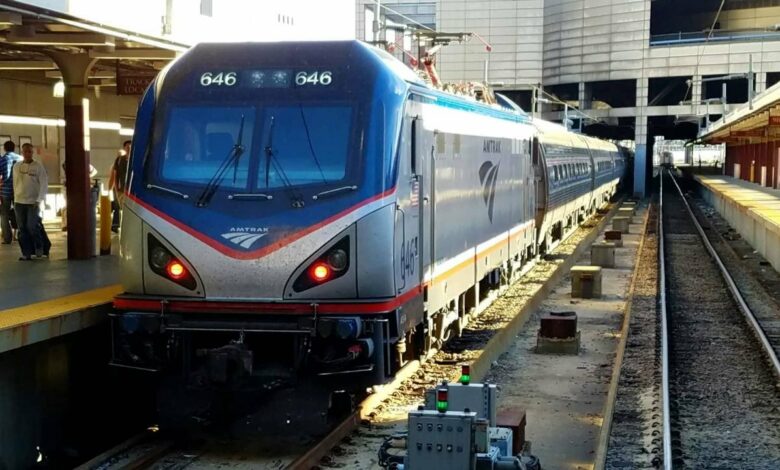
The providence amtrak mbta station is one of the most important transportation centers in the northeastern United States, serving as a vital link for both regional commuters and long-distance travelers. Located in the heart of Providence, this station connects passengers to major cities like Boston, New York, and Washington, D.C., making it a strategic hub for rail travel in the region.
Historical Background
Providence Station has a rich history that reflects the evolution of rail transportation in the United States. The current station opened in 1986, replacing an older facility that had been in operation since the late 19th century. The relocation of the station was part of a larger urban redevelopment project aimed at revitalizing downtown Providence and improving infrastructure.
The modern station was designed to accommodate both Amtrak’s intercity rail services and the commuter trains operated by the Massachusetts Bay Transportation Authority (MBTA). Its construction marked a significant milestone in improving rail efficiency and passenger experience in Rhode Island.
Location and Accessibility
Strategically situated near downtown Providence, the station is easily accessible by various modes of transportation. It is within walking distance of key landmarks such as the Rhode Island State House, local universities, and the city’s business district. This central location makes it convenient for both daily commuters and tourists.
The station is also well-connected to local bus routes and taxi services, ensuring seamless transit options for passengers. Parking facilities are available nearby, making it accessible for those who prefer to drive to the station.
Services and Connectivity
Providence Station serves as a major stop on Amtrak’s Northeast Corridor, one of the busiest rail lines in the country. Amtrak trains, including the high-speed Acela service and Northeast Regional trains, stop here regularly. These services provide fast and efficient connections to major cities along the East Coast.
In addition to Amtrak, the station is a key stop for MBTA commuter rail services, particularly on the Providence/Stoughton Line. This makes it an essential hub for commuters traveling between Rhode Island and the greater Boston area.
The combination of intercity and commuter rail services allows the station to cater to a wide range of passengers, from business travelers to students and tourists.
Facilities and Amenities
Providence Station is designed with passenger comfort and convenience in mind. The station features a spacious waiting area, ticket counters, and self-service kiosks for purchasing tickets. There are also restrooms, seating areas, and accessibility features for passengers with disabilities.
Food and beverage options are available within or near the station, providing travelers with refreshments before or after their journeys. Additionally, the station offers Wi-Fi access, allowing passengers to stay connected while waiting for their trains.
Security and safety are also prioritized, with staff and surveillance systems in place to ensure a safe environment for all travelers.
Architectural Design
The architecture of Providence Station blends modern functionality with aesthetic appeal. Its design reflects the urban character of Providence while incorporating elements that enhance passenger flow and comfort. Large windows allow natural light to fill the interior, creating a welcoming atmosphere.
The station’s layout is intuitive, making it easy for passengers to navigate between platforms, waiting areas, and exits. This user-friendly design contributes to an overall positive travel experience.
Economic and Cultural Impact
Providence Station plays a significant role in the local economy by facilitating the movement of people and supporting tourism. Its connectivity to major cities makes Providence an attractive destination for business and leisure travelers alike.
The station also supports the city’s cultural scene by providing easy access to events, festivals, and educational institutions. Visitors arriving by train can quickly reach museums, theaters, and historic sites, enhancing their overall experience of the city.
Moreover, the station contributes to sustainable transportation by encouraging the use of rail travel, which is more environmentally friendly compared to car or air travel.
Future Developments
As transportation needs continue to evolve, Providence Station is expected to undergo further improvements. Plans for modernization may include enhanced facilities, upgraded technology, and expanded services to accommodate growing passenger demand.
Investments in rail infrastructure along the Northeast Corridor are likely to benefit the station, improving travel times and reliability. These developments will ensure that Providence Station remains a key player in the region’s transportation network.
Conclusion
The Providence Amtrak MBTA Station stands zadrails as a vital transportation hub that connects Rhode Island to the broader Northeast region. With its strategic location, comprehensive services, and modern serves, it serves as an essential gateway for travelers.