Maximizing Energy Efficiency with Plate Heat Exchangers in Industrial Facilities

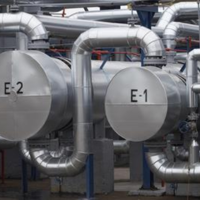
Energy efficiency has become a major priority for industries seeking to reduce operating costs and improve sustainability. Whether in manufacturing, food processing, chemical production, or HVAC applications, businesses are constantly searching for technologies that can enhance performance while lowering energy consumption. One solution that continues to deliver measurable results is the plate heat exchanger.
Known for its compact design and exceptional heat transfer capabilities, a plate heat exchanger helps industries recover and reuse thermal energy that might otherwise be wasted. As energy prices continue to rise, investing in efficient heat transfer systems is becoming increasingly important for maintaining profitability and operational excellence.
This article explores how plate heat exchangers contribute to energy savings, improve process performance, and support long-term industrial success.
The Growing Need for Energy-Efficient Industrial Equipment
Industrial facilities consume significant amounts of energy every day. Heating, cooling, processing, and production operations often account for a substantial portion of operational expenses. As environmental regulations become stricter and sustainability goals gain importance, companies are under increasing pressure to improve efficiency.
A modern heat exchanger plays a critical role in helping facilities achieve these objectives. By transferring heat from one process stream to another, businesses can reduce energy waste and improve overall system performance.
Among the various types available, plate heat exchangers stand out due to their ability to maximize thermal efficiency in a compact package.
How a Plate Heat Exchanger Works
A plate heat exchanger consists of multiple thin metal plates stacked together within a frame. These plates create separate channels that allow hot and cold fluids to flow alternately.
As the fluids pass through the channels, heat transfers across the plate surfaces without mixing the fluids. The specially designed plate patterns create turbulence, increasing heat transfer rates and improving efficiency.
Because of this design, plate heat exchangers often achieve higher thermal performance than many traditional systems while requiring less installation space.
Advantages of Plate Heat Exchangers for Industrial Operations
Improved Heat Recovery
Heat recovery is one of the most effective ways to reduce energy consumption. A plate heat exchanger captures thermal energy from outgoing process streams and transfers it to incoming fluids.
This process reduces the need for additional heating or cooling, leading to substantial energy savings over time.
Lower Operating Costs
Energy expenses directly affect profitability. By improving heat transfer efficiency, plate heat exchangers help facilities reduce fuel consumption and utility costs.
Many companies see a noticeable reduction in operating expenses after implementing energy recovery systems.
Compact Installation
Space limitations are a common challenge in industrial facilities. Traditional heat transfer systems often require large installation areas.
Plate heat exchangers offer a compact solution that fits easily into existing process layouts without extensive modifications.
Flexible Capacity Expansion
Production requirements can change over time. One advantage of plate heat exchangers is that capacity can often be increased by adding additional plates rather than replacing the entire system.
This flexibility provides long-term value and supports future growth.
Why Heat Exchanger Parts Matter
Even the most advanced system depends on the quality of its components. Reliable heat exchanger parts ensure efficient performance, safety, and durability.
Critical components include:
- Heat transfer plates
- Gaskets
- Frame assemblies
- Connection ports
- Pressure plates
- Fastening systems
Routine maintenance and timely replacement of worn heat exchanger parts help prevent performance losses and unexpected downtime.
Facilities that prioritize component quality often achieve longer equipment life and lower maintenance costs.
The Benefits of Stainless Steel Heat Exchangers
Material selection significantly impacts the reliability and lifespan of thermal equipment. A stainless steel heat exchanger remains one of the most popular choices for industrial applications.
Resistance to Corrosion
Many industrial processes involve moisture, chemicals, and aggressive operating environments. Stainless steel offers outstanding protection against corrosion, helping preserve performance for years.
Long-Term Durability
Industrial equipment must withstand demanding operating conditions. Stainless steel heat exchangers provide exceptional structural strength and resistance to wear.
Sanitary Design
Industries such as food processing, pharmaceuticals, and beverage production require hygienic equipment. Stainless steel surfaces are easy to clean and help maintain strict sanitation standards.
These advantages make stainless steel a preferred material across multiple industries.
Common Industrial Applications
Food and Beverage Industry
Temperature control is essential for maintaining product quality and food safety. Plate heat exchangers are widely used for:
- Pasteurization
- Milk processing
- Brewing operations
- Beverage cooling
Their efficient design helps manufacturers maintain consistent product quality while minimizing energy use.
Chemical Manufacturing
Chemical processing often requires precise temperature regulation. Plate heat exchangers support heating, cooling, condensation, and heat recovery applications throughout chemical plants.
HVAC Systems
Commercial and industrial HVAC systems rely on efficient thermal management. Plate heat exchangers help improve building energy efficiency while supporting reliable heating and cooling performance.
Power Generation Facilities
Power plants use heat exchangers for cooling systems, energy recovery, and process optimization. Efficient heat transfer contributes directly to plant performance and operating efficiency.
Selecting the Right Industrial Heat Exchanger
Choosing the best industrial heat exchanger involves several important considerations.
Understand Process Conditions
Temperature ranges, fluid properties, pressure requirements, and flow rates must be evaluated carefully before selecting a system.
Evaluate Material Requirements
Different operating environments require different materials. Stainless steel is often ideal for corrosive conditions, while specialized alloys may be necessary for unique applications.
Consider Maintenance Accessibility
Easy maintenance can significantly reduce downtime and service costs over the life of the equipment.
Assess Future Needs
Facilities planning for expansion should consider systems that can accommodate increased capacity without requiring complete replacement.
Sustainability and Environmental Benefits
Sustainability is becoming a key factor in industrial decision-making. Plate heat exchangers contribute to environmental goals by reducing energy consumption and improving resource efficiency.
By recovering waste heat and lowering fuel requirements, businesses can reduce greenhouse gas emissions while supporting corporate sustainability initiatives.
This combination of economic and environmental benefits makes plate heat exchangers a valuable investment for modern industrial operations.
Conclusion
The plate heat exchanger has become an essential component in energy-efficient industrial systems. Its ability to maximize heat recovery, reduce operating costs, and improve process performance makes it a preferred solution across numerous industries.
When paired with high-quality heat exchanger parts, durable stainless steel heat exchanger construction, and proper maintenance practices, these systems deliver reliable long-term performance. As energy efficiency and sustainability continue to shape industrial priorities, the importance of the modern industrial heat exchanger will only continue to grow.
Frequently Asked Questions
1. What industries benefit most from plate heat exchangers?
Plate heat exchangers are commonly used in food processing, chemical manufacturing, HVAC systems, power generation, pharmaceuticals, and beverage production.
2. How do plate heat exchangers reduce energy costs?
They improve heat transfer efficiency and recover waste heat, reducing the amount of energy needed for heating and cooling processes.
3. What are the most important heat exchanger parts?
Key components include plates, gaskets, frames, pressure plates, and connection ports that work together to ensure efficient operation.
4. Why choose a stainless steel heat exchanger?
Stainless steel provides excellent corrosion resistance, durability, and hygiene, making it suitable for demanding industrial applications.
- on
- on