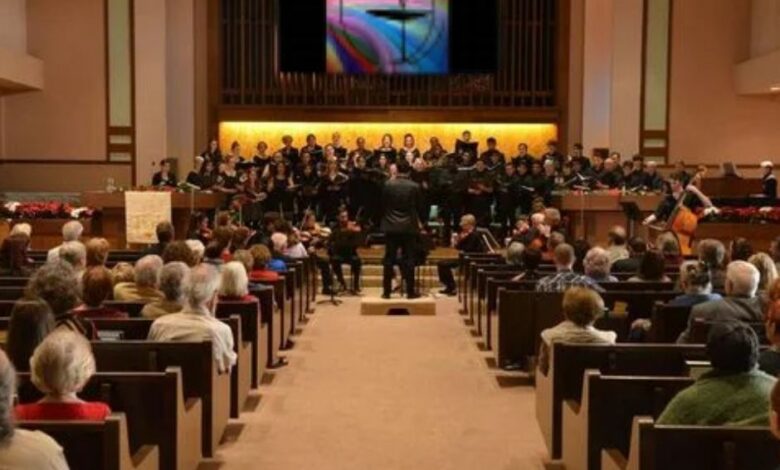
You ever walk into a place and just… feel lighter? Like the air itself seems less heavy? That’s the kind of vibe you get at Universalist Churches. Weird, right? A building and a few strangers can sometimes feel more like a safe hug than anything else. But honestly, for a lot of people, that’s what these communities offer: a chance to stop, breathe, and maybe sort through the mess inside without someone judging you for crying over a song or zoning out mid-service.
Finding Your Own Space to Breathe
Healing is weird. It doesn’t start with magic words or a perfect sermon. Often, it begins when you just feel safe. And UU spaces… well, they’re surprisingly good at creating that. You can sit there, nod along, or stare at the ceiling—nobody’s taking notes or rolling their eyes. I mean, think about it: how many times have you been somewhere and felt like you had to perform, even just a little? Here, you don’t. That, oddly, is the first step to actually feeling something release.
The Weird Power of Community
Humans are messy, complicated creatures. And being around other humans can be… terrifying. But in these communities, there’s this weirdly comforting thing—people actually care. You can spill your feelings about grief, anxiety, or even existential dread, and someone listens. Not because they have to, but because they want to.
And here’s the thing: sometimes you don’t even talk. Just seeing people you recognize every week, sharing a smile, maybe laughing over something tiny—it counts. That sense of belonging? It’s not flashy, but it sticks.
Exploring Spirit on Your Own Terms
A Unitarian Universalist Church doesn’t hand you a script and say “follow this or else.” No, they kinda shrug and go, “Explore. Try. Fail. Wonder.” And that’s freeing. One week, you’re pondering what it means to live ethically; the next, you’re humming a tune you didn’t know would hit so hard in your chest.
I’ve seen folks admit they didn’t even believe in anything spiritual, but by the end of a few months, they’re quietly journaling in the back corner. The beauty is in the permission to wander. You can doubt. You can question. You can cry silently over a poem. And that wandering… that’s where the healing sneaks in.
Rituals That Actually Work
Rituals don’t have to be over-the-top to matter. Lighting a candle, sharing a small intention, singing a line of music—it’s surprisingly emotional. You think, “I’m just lighting a candle,” and then, boom, memories, feelings, hopes… all surfacing at once.
And yeah, you might feel silly at first. I’ve been there. But give it a minute. You start noticing your shoulders loosen, your chest relax, maybe even a little smile appears. Tiny gestures, huge effect.
Mindfulness Without the Bullshit
You know those “mindfulness exercises” everyone talks about? UU spaces actually make them feel real, not corporate yoga-advertisement-y. A few minutes of quiet, focusing on breathing or just noticing your thoughts, and somehow, the brain untangles a little. Stress loosens. Thoughts slow. You’re reminded you can survive a few messy feelings at a time.
It’s not magic. But it works. Weirdly beautifully.
Real Support, Not Just Empty Words
Some UU congregations go beyond just services. Peer-support circles, counseling sessions, workshops—they’re there. And not the boring kind, the kind that actually meets you where you are. You can talk about grief, trauma, big life changes, or even just that vague “I feel stuck” energy. And people get it. They’ve been there. They’re not preaching. They’re helping you navigate the sticky parts of life with a little guidance and a lot of patience.
Growth, Messy and Human
Healing is messy. Real growth is messy. And UU spaces embrace that. Maybe one week you’re volunteering, the next, you’re deep in a discussion about ethics or social justice. Every step—tiny or awkward—is part of the process. Emotional healing isn’t about perfection; it’s about persistence, curiosity, and occasionally laughing at how dramatic life feels.
Creativity: The Secret Sauce
Music, art, storytelling—they’re not just decorative here. They’re medicine. Singing a song, hearing someone read a poem, even doodling during a reflection—these little acts let emotions surface. You realize, “Oh, that’s grief… that’s hope… that’s me.” And it’s okay. Humans don’t always talk feelings; sometimes, we hum them or paint them.
Come As You Are
Universalist Churches don’t demand a “type” of attendee. Skeptic, seeker, believer, confused—they’ll welcome you. And that matters. Pressure kills reflection. Pressure stunts healing. Here, you can just show up. Maybe you’ll leave with insights, maybe just a slightly lighter chest. Either way, you’re allowed to be exactly as you are.
Final Thoughts
Emotional and spiritual healing isn’t neat. It’s messy, awkward, and surprisingly quiet at times. Universalist Churches offer a space where you can explore all that without pretense, judgment, or rush. Whether it’s through meditation, peer support, ritual, or just sitting in a corner and breathing, the healing process is human, imperfect, and deeply meaningful.
A Unitarian Universalist Church doesn’t hand you a roadmap. It hands you space. Space to feel, to reflect, to connect. And sometimes, that’s exactly what we need: a little room to breathe, a little room to be, and a community that quietly reminds you that you’re not alone.