Automatic Water Pumps: Types, Benefits, and Buying Guide for Reliable Water Supply

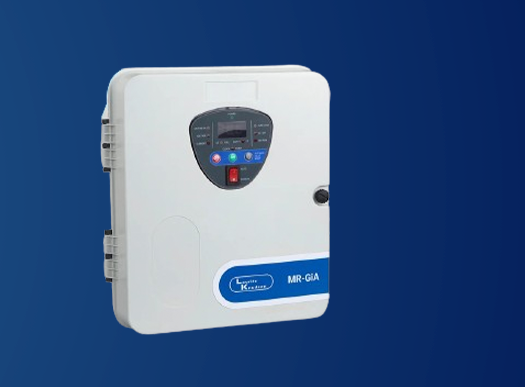
A consistent water supply is essential for homes, apartments, commercial buildings, and agricultural properties. Manually operating a pump every time water is needed can be inconvenient and may even lead to water wastage or pump damage. An automatic water pump solves this problem by starting and stopping automatically based on water demand or tank levels. For those installing submersible pumping systems, understanding factors that influence submersible pump starter price is also important when selecting the right electrical control equipment. Choosing the right combination ensures efficient, safe, and dependable water management.
What Is an Automatic Water Pump?
An automatic water pump is a pumping system equipped with sensors or pressure controllers that automatically switches the pump on and off depending on water demand or storage tank levels.
These pumps are widely used in:
- Residential homes
- Apartments
- Commercial buildings
- Agricultural fields
- Hotels
- Small industries
They eliminate the need for manual operation while ensuring a continuous water supply.
How an Automatic Water Pump Works
The pump operates using sensors, pressure switches, or float switches that monitor water levels or pressure.
The basic process includes:
- Water demand or a low tank level is detected.
- The pump starts automatically.
- Water is supplied to the required location.
- Once the desired pressure or tank level is reached, the pump switches off automatically.
This automated operation helps reduce energy consumption and prevents unnecessary pump operation.

Benefits of Installing an Automatic Water Pump
Installing an automatic water pump offers several practical advantages.
1. Continuous Water Supply
Automatic operation ensures water is available whenever needed without requiring manual intervention.
2. Improved Energy Efficiency
The pump runs only when necessary, helping reduce electricity consumption.
3. Pump Protection
Automatic controls help prevent dry running and excessive operation, which can reduce wear and extend pump life.
4. Greater Convenience
Users no longer need to remember to switch the pump on or off manually.
5. Reduced Water Wastage
Automatic shut-off prevents water tanks from overflowing, helping conserve water.
Types of Automatic Water Pumps
Different applications require different types of pumps.
1. Surface Pumps
Surface pumps are commonly used for drawing water from shallow wells, storage tanks, and municipal water supplies.
Typical applications include:
- Homes
- Gardens
- Small commercial buildings
2. Booster Pumps
Booster pumps increase water pressure where supply pressure is insufficient.
They are often installed in:
- Multi-story buildings
- Apartments
- Hotels
- Commercial complexes
3. Submersible Pumps
Submersible pumps operate underwater and are ideal for:
- Borewells
- Deep wells
- Agricultural irrigation
- Groundwater extraction
4. Pressure Pumps
Pressure pumps maintain consistent water pressure throughout plumbing systems.
Features to Consider Before Buying
Choosing the right pump depends on several important factors.
1. Water Requirement
Estimate the daily water demand before selecting pump capacity.
2. Pump Capacity
Choose a pump capable of supplying the required flow rate without excessive energy consumption.
3. Head Height
Consider the vertical distance the pump must lift water.
4. Automatic Controls
Look for systems equipped with:
- Float switches
- Pressure switches
- Dry-run protection
- Automatic restart features
5. Energy Efficiency
Selecting an energy-efficient pump helps reduce long-term operating costs.
Understanding Submersible Pump Starter Price
Submersible pumps require suitable electrical starters to ensure safe motor operation.
Several factors influence submersible pump starter price, including:
- Motor power rating
- Starter type
- Protection features
- Automatic control capability
- Material quality
- Installation requirements
Instead of comparing products based only on submersible pump starter price, buyers should also consider durability, safety features, and compatibility with the pump.

Applications of Automatic Water Pumps
Automatic pumps are widely used across various sectors.
1. Residential Homes
They provide reliable water supply for:
- Bathrooms
- Kitchens
- Water storage tanks
- Garden irrigation
2. Apartment Buildings
Automatic systems maintain consistent water pressure across multiple floors.
3. Commercial Buildings
Businesses use automatic pumps for washrooms, cooling systems, and water distribution.
4. Agriculture
Farmers rely on automatic pumps for irrigation and water management.
5. Hotels and Hospitals
These facilities require uninterrupted water supply to support daily operations.
Installation Best Practices
Proper installation improves both performance and service life.
Follow these recommendations:
- Select the correct pump size.
- Install suitable pipe connections.
- Ensure proper electrical protection.
- Position sensors correctly.
- Test automatic controls after installation.
- Have installation performed by qualified professionals.
Correct installation helps maximize efficiency and reliability.
Common Mistakes to Avoid
Avoid these common issues when installing or selecting water pumps:
- Choosing an undersized pump
- Ignoring water pressure requirements
- Incorrect pipe sizing
- Poor electrical connections
- Skipping routine maintenance
- Selecting equipment based only on submersible pump starter price rather than overall quality and compatibility
Proper planning helps improve long-term performance.
Maintenance Tips
Routine maintenance helps extend pump life and maintain reliable operation.
Recommended practices include:
- Inspect the pump regularly.
- Check electrical connections.
- Clean filters and strainers.
- Monitor water pressure.
- Test automatic controls periodically.
- Inspect the starter during scheduled maintenance to ensure proper motor protection.
Preventive maintenance reduces unexpected breakdowns and improves efficiency.
Conclusion
An automatic water pump provides a reliable, convenient, and energy-efficient solution for maintaining a consistent water supply in homes, commercial buildings, and agricultural applications. By automatically responding to water demand, it reduces manual effort, prevents water wastage, and helps extend pump life. When selecting supporting electrical equipment, buyers should evaluate features and reliability instead of focusing solely on submersible pump starter price. With over 70 years of expertise in electrical and automation solutions, Lauritz Knudsen Smartshop continues to deliver dependable products that support safe, efficient, and future-ready electrical systems across homes, businesses, industries, agriculture, and infrastructure.

