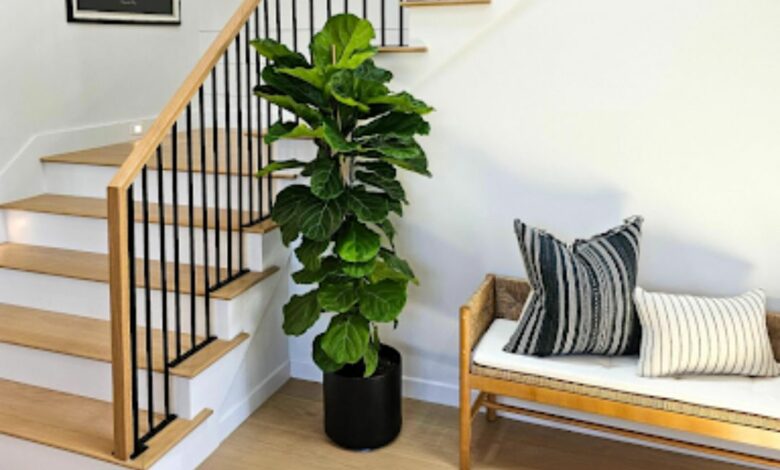
Most people look at a staircase and see design. Shape. Maybe the railing style. But anyone who’s been around construction a while knows better. Stairs are structure first. Always. One mistake in layout, stringer placement, or railing support and the whole thing feels off. Wobbly. Unsafe. That’s exactly why experienced stair and railing contractors matter more than homeowners expect.
A proper contractor doesn’t just “install rails.” They calculate rise and run. They measure landing space. They understand how the stringer carries load through the frame. It’s detail work. Quiet, careful, sometimes frustrating work. But when it’s done right? The staircase feels solid. Like it belongs there. You step on it and everything just… works.
The Hidden Craft Behind a Good Stair System
People rarely notice a perfect staircase. Funny thing. They only notice bad ones. Rails that shake. Steps that creak. A gate that doesn’t line up. Those problems almost always come from rushed planning or someone who doesn’t specialize in stairs.
Professional stair and railing contractors approach the job differently. They think about spacing, structural anchors, and flow through the house. They also coordinate materials with the build wood framing, steel supports, or modern glass systems. Even the angle of a custom stair railing affects safety and code compliance.
And yeah, codes matter. Rise height, guard spacing, handrail grip size… miss those and inspectors will catch it. A real contractor plans ahead so that never becomes a problem.
Custom Glass Stair Railings Change the Entire Look
There’s something about glass railings that instantly modernizes a space. Open sightlines. Light flows through. Rooms feel bigger, even if the square footage never changed. That’s the appeal of custom glass stair railings.
But they’re not as simple as dropping in glass panels. Not even close. Glass systems require precision hardware, exact measurements, and careful alignment with the stair stringer and landing posts. One small misalignment and suddenly the panels don’t sit right.
Good contractors know how to integrate glass into wood or metal frames without compromising stability. The result feels minimal but strong. Clean lines. Quiet hardware. No visual clutter. Just the staircase doing its job without shouting for attention.
Metal Stair Railing Designs That Actually Last
Metal railings have been around forever. Iron, steel, aluminum—you see them everywhere. But not all metal stair railing designs are equal. Some are decorative. Some are structural. Some… honestly, they’re just cheap.
The difference usually comes down to fabrication and installation. A proper custom metal stair railing uses welded joints, solid mounting plates, and strong anchors into the stair framing. No shortcuts. No hollow brackets pretending to hold weight.
And design matters too. Contractors today work with clean geometric styles, cable systems, or mixed materials with wood handrails. It’s not the bulky iron rails from decades ago. Modern metal railings can look sharp without overpowering the space.
The Role of the Stair Stringer in Everything
You can’t talk stairs without talking about the stringer. It’s basically the backbone of the whole system. Every tread attaches to it. Railings anchor to it. If the stringer is off even slightly, the problems multiply quickly.
Experienced stair and railing contractors pay serious attention here. They check angles, spacing, and load distribution before anything gets installed. Especially when working with floating stairs or glass rail systems.
And sometimes the stringer becomes part of the design itself. Exposed steel stringers, side-mounted brackets, floating treads — those modern looks depend on exact engineering. One wrong cut and you’re rebuilding the entire section. So yeah, precision matters. A lot.
Gates and Safety Features People Forget
Here’s something homeowners forget until the last minute — stair gates. Especially in homes with kids or pets. The railing system needs to accommodate gates without ruining the look of the staircase.
This is where thoughtful contractors shine. They integrate gates into the railing design rather than tacking them on awkwardly later. That might mean reinforced posts, hidden hinges, or custom latching systems.
With custom glass stair railings, this can get tricky. Glass panels don’t always work with traditional gate hardware. Contractors often fabricate matching metal frames or discreet mounting points. It’s small stuff, but it makes the difference between a clean design and something that looks… added as an afterthought.
Why Experience Matters More Than Fancy Designs
Anyone can sketch a beautiful staircase. Instagram is full of them. Floating steps, cable rails, glass panels everywhere. Looks amazing in photos.
But building those systems? That’s where things get real.
True stair and railing contractors combine engineering knowledge with hands-on experience. They know how materials behave over time. Wood expands. Steel flexes slightly. Glass needs tolerance space. Ignore those details and the staircase starts shifting within months.
The best contractors think ahead. They reinforce mounting points, align rail tension, and adjust installation methods based on the house structure. It’s not glamorous work. But it’s the reason some stair systems last 30 years while others start rattling after six.
Conclusion: A Staircase Is Only As Good As Its Builder
At the end of the day, a staircase isn’t just a design feature. It’s a structural system people use every single day. Up, down, carrying groceries, half asleep in the morning. It needs to feel safe. Stable. Natural.
That’s why experienced stair and railing contractors are worth hiring. They bring real craft to the job — proper stringer layout, durable custom metal stair railing fabrication, and precise installation of custom glass stair railings that actually last.
When the work is done right, the staircase blends into the home like it was always meant to be there.



