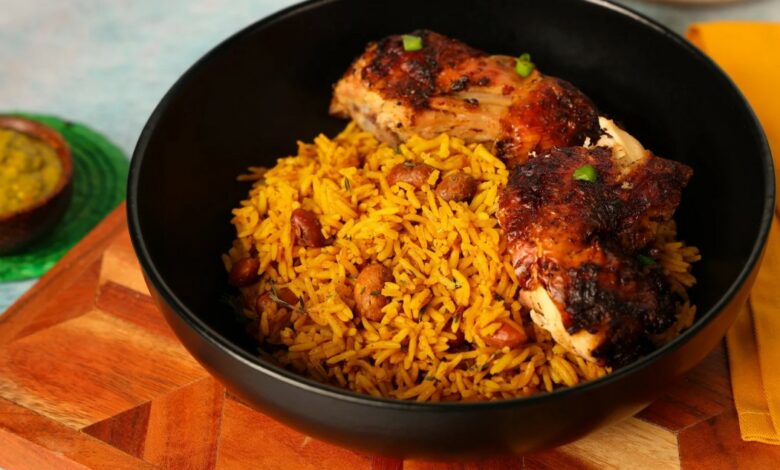
Rice and Red Beans as a Way of Life
Steam rises from bowls of rice and red beans, common in homes where the past shapes each meal. Across islands such as Jamaica, Cuba, yet Puerto Rico, this dish appears without fanfare. Not served for show, but because it fits right into life. Where humidity sticks to skin, kitchens rely on what lasts. This pairing belongs, not due to trend, but trust built slowly. Far beyond taste alone, its role follows deeper currents. Shaped by weather, work cycles, and old trading routes, these quiet forces decided what would keep, cook fast, or last across several plates.
Why Rice and Red Beans Work Together
Most people barely notice it, still you’ll find this combo in dish after island dish. What gives? Turns out, their teamwork goes deeper than flavor alone. Lysine is missing in rice, the body needs that stuff. Red beans pack plenty though. Side by side, they fill what the other misses, building better nutrition without any plan behind it. Nobody designed it like a lab experiment. It just took root on its own. Under hot skies or in crowded city work, people found ways to keep going by using foods they could reach easily. Not every choice came from a plan, most were simply answers shaped over time by what life required.
Cooking Timing and One-Pot Simplicity
Here’s something people miss: when things happen matters. Dried beans need a long soak on the stove. Yet mixed with rice, they share one pot now. The amount of water shifts slightly. The temperature stays low and steady. Together, both are ready at once. Not just about saving effort, this mirrors routines built around dawn tasks, moments before kids stir or adults head out. One pot meals mean less mess, less fuel burned, less watching needed. When supplies run thin or come slow, that kind of simplicity carries weight.
Regional Variations Across the Caribbean
Folks down south cook rice their own way. Over in Trinidad, they sometimes pour in coconut milk right at the start. The Dominican folks? They heat up a mix of onion, garlic, pepper until it smells rich and deep. Smoked meat shows up now and then, not because it’s fancy, mind you, but because it lasts. Back when iceboxes hadn’t reached every kitchen, salted pork or a dried ham bone would go in to make things taste stronger and keep longer. What you see wasn’t tacked on afterward. Built out of need, these changes stayed, becoming signs of who they are.
Comfort, Predictability, and Food Security
Calling it comfort food might miss the point. Sure, that word brings up warm memories for certain people. But for many, the real draw is predictability. Something within reach. Familiar. If money for groceries runs low or shelves go bare, one thing holds firm, rice and red beans stay put on the plate. Months go by without them going bad. Not quick to rot, these stay usable a long while. When compared to ready-made dishes, there’s room to shift things, a bit hotter now, less heat later, depending on what you feel like or have at hand.
How Consistency Shapes Daily Ease
Sureness like this quietly steadies the mind. When texture, fullness, taste follow a known path, choices grow fewer by day’s end. Even without excitement, counting on one thing holds moments together. Not everything needs thrill to matter. Steady things disappoint less, which sometimes feels enough. How ordinary constancy shapes ease surprises most.
Historical Roots and Colonial Influence
Even so, seeing hardship as somehow noble misses the point. Toughness in dishes like rice and beans came because choices were thin under colonial rule, when foreign grains pushed out native farms. Across many islands, growing a mix of foods gave way to single export crops, leaving store-bought rice more affordable than local produce. What started as necessity slowly hardened into custom.
Modern Adaptations Without Losing the Core
Nowadays, some people make changes, like swapping animal fat for plants, cooking on the stove then moving to the oven, sometimes adding tangy bean mixes for deeper flavor. Still, nearly everyone holds tight to basics: keep it plain, keep it together, don’t waste energy. New ideas do not erase old ways here, they move carefully inside them.
Conclusion
What keeps rice and red beans around isn’t flair or difficulty, it’s how well they fit real life. Fueled by need, not novelty, they deliver nutrition while traveling easily through time and tradition. Across island kitchens, these grains stick around not for holidays, but for reliability. Their strength shows up quietly, day after day.
FAQs
Why are rice and red beans commonly eaten together?
A single bite holds more value when pieces fit where gaps exist. Where one falls short, the other steps in without effort. Across distant lands, people arrived at this match through need, not design. What results is nourishment shaped by chance and necessity alike.
Are Caribbean rice dishes always spicy?
Heat changes a lot from one kitchen to another. Peppers go into some versions, while others lean into herbs or pull flavor from sweet veggies instead. What makes it spicy comes down to taste at home, not where you are. Tradition doesn’t decide the kick, people do.
Can rice and red beans be part of a daily diet?
Fiber and carbs that digest slowly bring consistent fuel. Right amounts of salt, along with different spices, make them fit well into daily nutrition. That works.
Did rice and red beans originate in the Caribbean?
Far from being unique. You’ll find combos across Latin America, West Africa, maybe even pockets of Asia. Movement of people, exchange of goods, shifts in habit shaped the Caribbean take, blending African food traditions with methods picked up from Europe.


