Let’s be honest—crawl spaces are the awkward part of a building that most people ignore. They’re dark, damp, and often the source of that weird musty smell you can’t get rid of. But here’s the thing: the air from down there doesn’t stay down there. It makes its way right into your living space.
If you’re dealing with allergies, humidity that never quits, or smells that won’t go away, your crawl space might be the hidden troublemaker. Knowing how insulation plays into air quality could change the way you breathe indoors. Professional crawl space insulation services help seal off those problem areas, improving comfort, reducing allergens, and creating a healthier indoor environment.
How Crawl Spaces Affect the Air You Breathe
Air doesn’t stay put. Whatever’s happening in your crawl space is likely creeping into the rooms where you live or work.
Crawl Space Air Travels Up
There’s a natural airflow pattern called the “stack effect.” Warm air rises, pulling crawl space air along with it. So yes, that damp, stale air is making its way into your home.
Humidity Is a Major Problem
Crawl spaces collect moisture from the ground, and if they’re not sealed up, it just sits there—feeding mold, inviting bugs, and soaking into everything nearby.
Mold and Gases Are on the Move
Mold spores and gases like radon or other VOCs don’t hang out in the crawl space quietly. They travel. Cracks and gaps let them rise into the air you’re breathing.
Fun Fact: Nearly half of the air on your first floor can come from the crawl space.
Why Spray Foam Is a Better Solution Than Other Insulation
Fiberglass and foam boards may seem cheaper or easier, but they can’t keep out moisture or seal air like spray foam can.
It Seals Air and Moisture at the Same Time
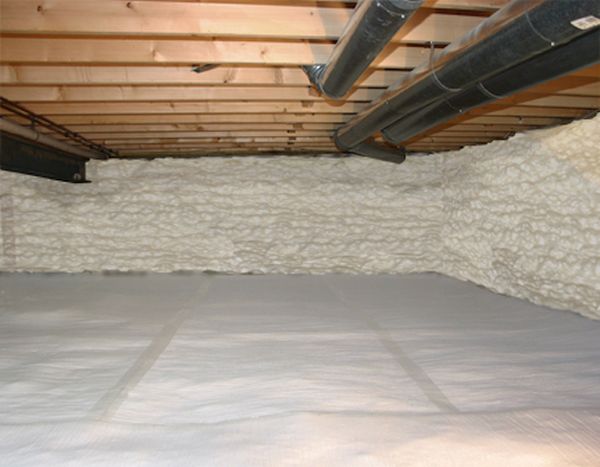
Spray foam forms a solid, airtight layer across your crawl space. It blocks outside air and keeps moisture from seeping in.
It Doesn’t Fall Apart or Absorb Water
Closed-cell spray foam doesn’t sag, shift, or soak up moisture over time. It stays put, no matter the weather or humidity.
Mold Has a Hard Time Taking Hold
Less moisture means fewer mold problems. Spray foam lowers humidity and keeps surfaces dry, which stops mold before it starts.
Fun Fact: Closed-cell spray foam can act as a vapor barrier all on its own.
What Gets Better Indoors After Insulating the Crawl Space
Once the crawl space is sealed off, indoor air starts to feel fresher and cleaner.
Fewer Allergy Triggers
Sealing up air leaks keeps dust, mold spores, and pollen out. That can make a big difference for anyone dealing with allergies.
Keeps Soil Gases Out
Spray foam creates a barrier against gases that seep up from the ground. That means less exposure to radon and similar pollutants.
HVAC Runs Cleaner and Smarter
When air isn’t leaking from below, your HVAC doesn’t work as hard. That means better airflow and cleaner air inside the building.
Comparison Table: How Spray Foam Stacks Up
| Feature | Spray Foam | Fiberglass Batts | Rigid Foam Board | Vapor Barrier Alone |
|---|---|---|---|---|
| Air Sealing | Excellent | Poor | Moderate | None |
| Moisture Resistance | High (closed-cell) | Low | Moderate | High |
| Mold Resistance | High | Low | Moderate | Low |
| Durability | Long-Term | Short-Term | Mid-Term | Mid-Term |
| Contribution to Air Quality | Strong Positive | Negative | Mild Positive | Neutral |
Why Vapor Barriers Alone Aren’t Enough
A plastic sheet might help with ground moisture, but it doesn’t seal off airflow or do anything for insulation.
Vapor Barriers Only Tackle Moisture
They sit on the dirt floor and keep water vapor from rising, but air still moves freely through vents, walls, and gaps.
Spray Foam Covers More Ground (Literally and Figuratively)
Closed-cell foam blocks both moisture and air. It covers walls, rim joists, and floors in one pass, giving you a much more complete seal.
Sometimes the Combo Works Best
In wetter climates, you might still want a vapor barrier on the ground. But pairing it with spray foam on the walls gives a tight, dry environment that protects air quality above.
Skipping Crawl Space Insulation Comes at a Cost
Leaving your crawl space unsealed isn’t just risky—it’s a missed opportunity to improve your entire indoor environment.
Humidity Sticks Around
Without insulation, your crawl space stays wet and musty. That damp air doesn’t just vanish—it spreads.
Breathing Issues May Increase
Allergens from the crawl space can flare up asthma or trigger sinus problems. It’s a constant exposure that can wear you down over time.
HVAC Works Too Hard
Heating and cooling systems have to overcompensate for leaking air. That means more dust, more cycles, and less consistent air quality indoors.

Conclusion
Spray foam insulation in the crawl space goes beyond energy savings. It creates a clean, sealed barrier that cuts off mold, moisture, and polluted air from entering your building. Whether it’s a home or business, the benefits are felt in every room above.
By closing off crawl space leaks, you get better air, fewer allergens, and a healthier structure overall. Working with an experienced spray foam insulation contractor ensures the job is done right—giving you one of those behind-the-scenes upgrades that makes a real difference.
If your indoor air always feels just a little off, the answer might be below you—and it’s easier to fix than you think.
FAQs
How does spray foam insulation help with indoor air quality?
It blocks off crawl space air leaks and moisture entry, keeping pollutants, mold, and other contaminants from getting into your indoor air.
Can mold still grow after installing spray foam?
Not likely. If installed properly, closed-cell spray foam seals out moisture, which stops mold before it has a chance to grow.
Is closed-cell better than open-cell in crawl spaces?
Yes. Closed-cell foam resists water and air better, making it ideal for crawl spaces where moisture is a concern.
Will this help my HVAC work better?
Yes. With fewer air leaks, your HVAC system runs more efficiently and distributes cleaner air.
Do I need anything else besides spray foam in the crawl space?
Some setups work best with both spray foam and a vapor barrier on the ground, depending on how wet the crawl space gets.
Reviewer: Emma Robinson contributed her knowledge from 8 years working with the spray foam industry. Her review helped shape this content with ideas grounded in what homeowners and property managers actually value.



