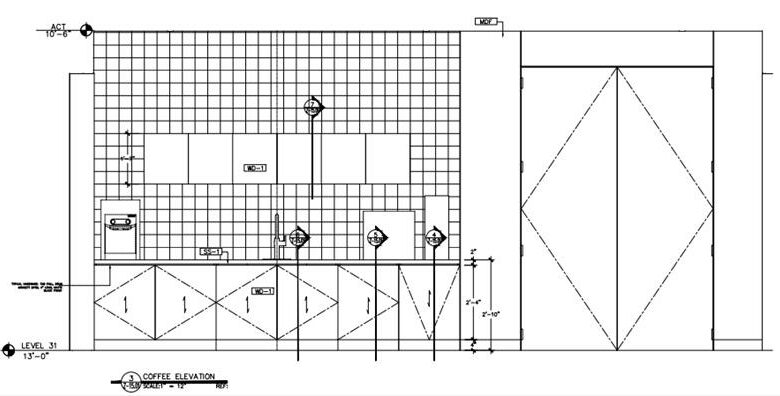
Custom cabinetry that fits perfectly. Intricate crown molding that transforms a room. Built-in shelving that maximizes every inch of space. These design elements don’t happen by accident—they’re the result of meticulous architectural millwork drafting.
Architectural millwork drafting serves as the blueprint for creating custom woodwork that seamlessly integrates with a building’s overall design. This specialized field combines technical expertise with creative vision, ensuring that every piece of millwork not only looks stunning but also functions flawlessly within the architectural framework.
Whether you’re an architect, interior designer, or contractor, understanding the role of millwork drafting can elevate your projects from good to exceptional. The difference lies in the details—and those details start with precise, professional drafting.
The Foundation of Precision in Architectural Design
Precision isn’t just important in architectural millwork drafting—it’s everything. A single measurement error can cascade into costly delays, material waste, and installation headaches that derail entire projects.
Professional millwork drafting eliminates guesswork. Every dimension, joint, and connection point is calculated and documented before the first piece of wood is cut. This level of detail ensures that custom elements fit perfectly within existing spaces, accounting for structural limitations, mechanical systems, and design requirements.
Consider a built-in entertainment center that must accommodate specific equipment while maintaining proper ventilation. The drafter must consider not only the visible dimensions but also cable management, heat dissipation, and future accessibility. Without this level of planning, what appears perfect on paper can become a functional nightmare in reality.
The precision extends beyond measurements to material specifications, finish details, and installation sequences. Each drawing communicates exactly how components connect, what hardware is required, and how the millwork integrates with adjacent surfaces. This comprehensive approach prevents the miscommunication that often plagues construction projects.
Transforming Projects Through Professional Millwork Drafting Services
Professional millwork drafting services offer advantages that extend far beyond basic technical drawings. These specialists bring years of experience in translating design concepts into buildable reality.
Enhanced Design Development
Millwork drafters work closely with design teams to refine concepts before construction begins. They identify potential issues early in the process, suggesting modifications that improve both functionality and manufacturability. This collaborative approach often reveals design opportunities that weren’t initially apparent.
Cost Optimization
Experienced drafters understand material properties, manufacturing limitations, and installation challenges. They can recommend design modifications that reduce material waste, simplify manufacturing processes, and streamline installation procedures. These optimizations often result in significant cost savings without compromising design intent.
Quality Assurance
Professional millwork drawings include detailed specifications for materials, finishes, and hardware. This level of detail ensures consistent quality across all project phases, from manufacturing through installation. Contractors receive clear instructions that eliminate ambiguity and reduce the risk of errors.
Regulatory Compliance
Millwork installations must comply with building codes, accessibility requirements, and safety regulations. Professional drafters stay current with these requirements, ensuring that all designs meet necessary standards. This expertise is particularly valuable for commercial projects where compliance failures can be costly.
Essential Software and Tools Shaping the Industry
Modern architectural millwork drafting relies on sophisticated software tools that have revolutionized how custom millwork is designed and manufactured.
Computer-Aided Design (CAD) Software
AutoCAD remains the industry standard for technical drafting, offering precise 2D drawing capabilities and extensive customization options. Many millwork specialists use specialized versions with libraries of standard millwork profiles and hardware components.
3D Modeling and Visualization
SketchUp, Rhino, and Revit enable drafters to create three-dimensional models that help clients visualize the final product. These tools are particularly valuable for complex installations where spatial relationships are critical. The ability to virtually “walk through” a space before construction begins prevents costly misunderstandings.
Parametric Design Tools
Software like Grasshopper and Dynamo allows for parametric design approaches where changing one dimension automatically updates related components. This capability is especially useful for repetitive elements or projects with multiple similar spaces.
Manufacturing Integration
Modern CNC machinery can work directly from CAD files, creating a seamless workflow from design to production. This integration reduces errors and allows for complex geometries that would be difficult to achieve through traditional methods.
Cloud-Based Collaboration
Platforms like BIM 360 and Procore enable real-time collaboration between team members regardless of location. Design changes can be shared instantly, ensuring everyone works from the latest information.
Emerging Trends Reshaping Millwork Drafting
The architectural millwork drafting field continues to evolve, driven by technological advances and changing design preferences.
Building Information Modeling (BIM) Integration
BIM workflows are becoming standard practice, allowing millwork to be designed within the context of the complete building model. This integration improves coordination with other trades and helps identify conflicts before construction begins.
Sustainable Design Focus
Environmental consciousness is driving demand for sustainably sourced materials and efficient manufacturing processes. Drafters increasingly specify certified wood products and design for disassembly to support circular economy principles.
Modular and Prefabricated Solutions
The trend toward prefabrication is influencing millwork design, with increased emphasis on modular components that can be manufactured off-site and assembled quickly on-site. This approach requires careful planning to ensure proper fit and finish.
Digital Fabrication Techniques
Advanced CNC machinery, 3D printing, and robotic assembly systems are expanding design possibilities while improving precision and reducing waste. Drafters must understand these capabilities to fully leverage their potential.
Virtual and Augmented Reality
VR and AR technologies are changing how designs are presented and reviewed. Clients can experience spaces virtually before construction, leading to more informed decisions and fewer change orders.
Maximizing Your Project’s Potential
Architectural millwork drafting transforms design visions into tangible reality through precision, expertise, and attention to detail. The investment in professional drafting services pays dividends through improved project outcomes, reduced costs, and enhanced client satisfaction.
As building technology continues advancing, the role of millwork drafting becomes increasingly important. Projects that embrace comprehensive planning and precise documentation consistently outperform those that rely on improvisation and guesswork.
Ready to elevate your next project? Consider partnering with experienced millwork drafting professionals who can bring technical expertise and creative problem-solving to your design challenges. The difference between good millwork and exceptional millwork often comes down to the quality of the drawings that guide its creation.



