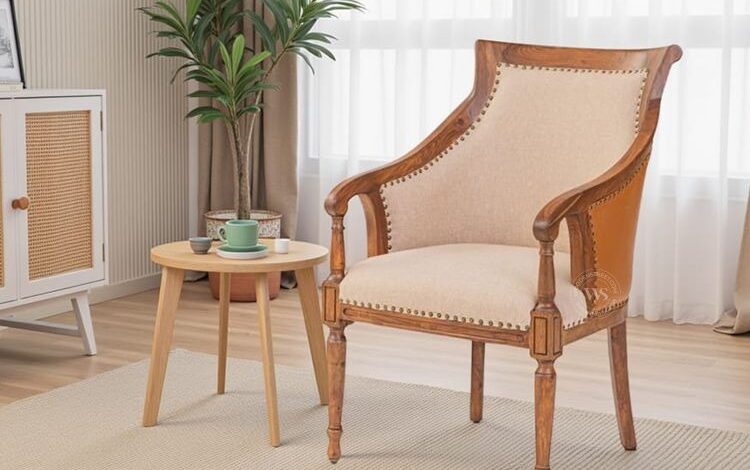
In today’s lifestyle, where long hours of sitting have become unavoidable—whether for work, reading, or leisure—the importance of choosing the right seating cannot be overstated. Among all seating options, an ergonomic armchair stands out as a thoughtful blend of comfort, functionality, and health support. More than just a stylish addition to your living space, an ergonomic armchair plays a crucial role in maintaining good posture, reducing physical strain, and enhancing overall relaxation.
This article explores why investing in an ergonomic armchair is essential for long-term comfort, spinal health, and mental well-being.
Understanding What Makes an Armchair Ergonomic
An ergonomic armchair is designed to support the natural alignment of the body. Unlike conventional chairs that prioritize appearance over function, ergonomic seating focuses on how the human body moves, rests, and maintains balance.
Key ergonomic features typically include:
-
Proper lumbar (lower back) support
-
Comfortable armrests at the right height
-
Adequate seat depth and cushioning
-
Supportive backrest with a natural recline angle
These elements work together to minimize stress on muscles and joints while allowing the body to relax in a natural posture.
Comfort That Goes Beyond Soft Cushions
Comfort is often misunderstood as softness alone. While plush cushions do matter, true comfort comes from balanced support. An ergonomic armchair distributes body weight evenly, preventing pressure points on the hips, thighs, and lower back.
When the body is well-supported:
-
Muscle tension is reduced
-
Blood circulation improves
-
Sitting for longer periods becomes less tiring
Whether you’re enjoying a book, watching television, or simply unwinding after a long day, an ergonomic armchair ensures that comfort is sustained—not temporary.
Supporting Proper Posture in Everyday Sitting
Poor posture is one of the most common side effects of prolonged sitting. Slouching, rounded shoulders, and forward head posture can gradually lead to chronic pain and stiffness.
An ergonomic armchair encourages correct posture by:
-
Keeping the spine in its natural S-shaped curve
-
Supporting the lower back to prevent slumping
-
Allowing feet to rest flat on the floor for better balance
By maintaining proper posture, these chairs reduce strain on the neck, shoulders, and spine, making everyday sitting healthier and more comfortable.
Reducing Back, Neck, and Shoulder Pain
Back pain is no longer limited to office environments—it has become common in living rooms and bedrooms as well. Poor seating is often the root cause.
An ergonomic armchair helps prevent and alleviate pain by:
-
Supporting the lumbar region to reduce lower back stress
-
Providing a backrest height that supports the upper spine and shoulders
-
Ensuring armrests reduce tension in the shoulders and neck
Over time, consistent use of ergonomic seating can significantly lower discomfort caused by improper sitting habits.
Enhancing Relaxation and Mental Well-Being
Relaxation is not just about physical comfort—it’s also about mental ease. When the body is supported correctly, the mind naturally relaxes.
An ergonomic armchair promotes relaxation by:
-
Allowing a gentle recline that reduces spinal pressure
-
Supporting the arms and shoulders, encouraging the body to rest fully
-
Creating a cozy, secure seating experience
This makes ergonomic armchairs ideal for activities such as meditation, reading, listening to music, or simply taking a mindful pause from a busy routine.
Ideal for Multiple Activities and Lifestyles
One of the greatest advantages of an ergonomic armchair is its versatility. It adapts seamlessly to different activities and age groups.
These chairs are suitable for:
-
Working professionals who sit for extended hours
-
Seniors who need extra support and ease of movement
-
Readers and hobbyists who value prolonged comfort
-
Anyone seeking a balanced mix of style and functionality
By accommodating various body types and uses, ergonomic armchairs become a long-term seating solution rather than a temporary furniture choice.
Promoting Better Circulation and Reduced Fatigue
Sitting in poorly designed chairs can restrict blood flow, leading to numbness, leg fatigue, and restlessness. Ergonomic armchairs address this issue through thoughtful seat height and depth.
Proper seat design:
-
Prevents pressure behind the knees
-
Encourages healthy blood circulation
-
Reduces leg and foot discomfort
Improved circulation means less fatigue, allowing you to feel refreshed even after extended periods of sitting.
Long-Term Health Benefits of Ergonomic Seating
While the immediate comfort of an ergonomic armchair is noticeable, its real value lies in long-term health benefits. Consistent use helps prevent posture-related issues such as spinal misalignment, joint stiffness, and muscle imbalance.
Over time, ergonomic seating can:
-
Support spinal health
-
Reduce dependency on pain relief solutions
-
Encourage mindful sitting habits
This makes ergonomic armchairs not just a comfort choice, but a proactive wellness decision.
Blending Functionality with Aesthetic Appeal
Modern ergonomic armchairs no longer compromise on style. Today’s designs seamlessly combine comfort with aesthetics, making them suitable for living rooms, bedrooms, home offices, and reading corners.
With options available in various:
-
Materials
-
Colors
-
Silhouettes
You can easily find an ergonomic armchair that complements your interior décor while delivering superior comfort and support.
A Thoughtful Investment in Everyday Comfort
Choosing an ergonomic armchair is an investment in your daily comfort and long-term health. Unlike ordinary seating, it adapts to your body’s needs, supports proper posture, and enhances relaxation—all while fitting beautifully into your living space.
In a world where sitting has become an unavoidable part of life, making that experience healthier and more comfortable is essential. An ergonomic armchair does exactly that, transforming simple moments of rest into truly restorative experiences.


