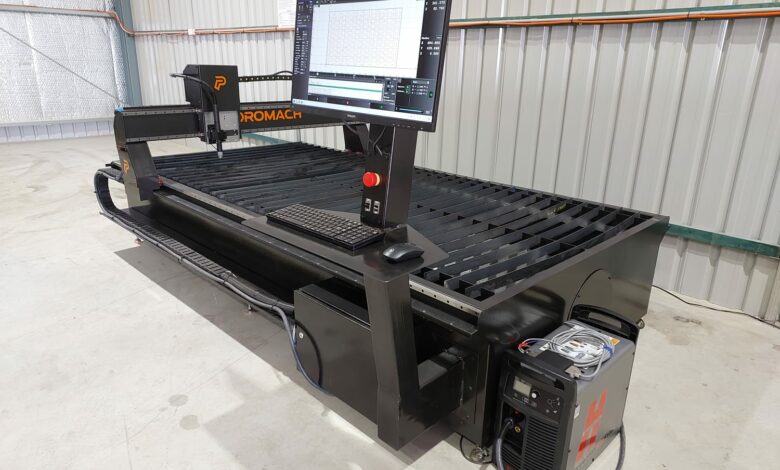
Choosing a CNC plasma cutting machine sounds straightforward until you start comparing specifications, cutting capacities, software platforms, and automation features. Many fabrication businesses begin their search for a CNC plasma cutting system for sale expecting similar performance across machines, then discover major differences that affect productivity, operating costs, and finished part quality. Understanding those differences helps buyers invest in equipment that matches their workload instead of paying for features they never use.
Why Are CNC Plasma Cutting Systems So Different?
Not all CNC cutting machines serve the same purpose. Some target small workshops producing brackets, signs, and custom components. Others run full-time in heavy fabrication environments cutting thick steel plates every day.
Manufacturers build systems around different production goals. A small fabrication workshop may prioritize affordability and compact size. A larger operation may focus on speed, automation, and continuous production.
The biggest differences usually involve:
- Cutting thickness capacity
- Plasma torch technology
- CNC controller quality
- Table size and design
- Software capabilities
- Automation features
- Production volume requirements
These factors influence both performance and long-term operating costs.
What Types of CNC Plasma Cutting Systems Are Available?
Australian buyers generally encounter three main categories.
Entry-Level CNC Plasma Systems
These machines suit smaller businesses and growing workshops.
Typical applications include:
- Light steel fabrication
- Sign making
- Automotive work
- Custom metal projects
- Agricultural repairs
Most entry-level systems offer reasonable cutting accuracy while keeping investment costs manageable.
Mid-Range Production Systems
These machines balance affordability and industrial capability.
They often include better CNC controller technology, stronger gantry construction, improved software integration, and faster cutting speeds.
Many Australian fabrication businesses operate successfully with this category because it handles a broad range of daily work without excessive capital expenditure.
Industrial CNC Plasma Systems
Industrial machines focus on maximum production efficiency.
Features commonly include:
- High definition plasma cutting
- Automated height control
- Advanced nesting software
- Heavy-duty construction
- Multi-shift production capability
- Integrated material handling systems
These systems often support large-scale sheet metal fabrication and heavy engineering projects.
How Important Is Cutting Thickness Capacity?
Cutting thickness influences machine selection more than many buyers realize.
A workshop cutting mostly mild steel sheets requires different equipment than a company processing structural steel components.
Questions worth asking include:
- What material thickness do you cut most often?
- What is your maximum required thickness?
- How frequently will thick material be processed?
- Do you require edge quality suitable for welding?
A machine designed primarily for thin sheet work may struggle with heavier plate production. An oversized industrial system may create unnecessary expenses for lighter workloads.
Matching capacity to actual production requirements usually delivers the best return on investment.
Does Controller Technology Really Matter?
Absolutely.
The CNC controller acts as the machine’s operating brain. Superior controllers improve motion control, cutting precision, and workflow efficiency.
A quality controller can help achieve:
- Smoother cutting paths
- Better hole quality
- Reduced material waste
- Faster setup times
- Improved repeatability
Advanced systems also simplify importing design files and managing production schedules.
Many experienced fabricators prioritize controller quality because software limitations often create more operational frustration than mechanical issues.
What Role Does Table Design Play?
Table construction directly affects performance and durability.
Several designs are common across Australian workshops:
Water Tables
Water tables reduce smoke and help control heat distortion during steel plate cutting.
Benefits include:
- Cleaner working environment
- Lower dust generation
- Reduced thermal warping
- Better operator comfort
Downdraft Tables
Downdraft systems extract fumes through ventilation systems beneath the cutting surface.
These systems work well in larger facilities where air quality management remains a priority.
The best option depends on workshop layout, production volume, and environmental requirements.
Should You Consider High Definition Plasma Cutting?
Many businesses focus exclusively on machine size while overlooking cutting quality.
High definition plasma cutting produces cleaner edges, tighter tolerances, and improved hole quality compared with conventional systems.
This technology often benefits:
- Structural fabrication companies
- Manufacturing facilities
- Precision component producers
- Engineering workshops
If finished parts require minimal secondary processing, higher-quality cutting technology can significantly reduce labour costs.
What Features Improve Productivity the Most?
Production efficiency rarely comes from one feature alone.
Several technologies contribute to better workflow:
- Automatic torch height control
- Advanced nesting software
- Fast positioning speeds
- Integrated CAD/CAM compatibility
- Automated consumable management
Many workshops report that software improvements save more time than raw cutting speed increases.
Efficient material utilization also reduces operating costs by lowering scrap rates across production runs.
How Can Buyers Compare Value Instead of Price?
Price attracts attention first. Long-term value usually determines whether a purchase succeeds.
A lower-cost machine may appear attractive initially, yet frequent downtime, poor support, and inconsistent cutting quality can create ongoing expenses.
Evaluate:
- Local technical support
- Spare parts availability
- Software updates
- Operator training
- Warranty coverage
- Consumable costs
Australian businesses often place significant value on responsive support because production interruptions quickly become expensive.
Before making a final decision, many buyers also compare support networks, software capabilities, and local service availability for each CNC plasma cutter in Australia under consideration. Strong after-sales support often proves just as valuable as machine specifications.
Conclusion
The best CNC plasma system depends entirely on your workload, materials, production goals, and growth plans. Some workshops benefit from compact entry-level equipment, while others require industrial-grade metal fabrication equipment capable of running continuously. Understanding controller quality, cutting thickness capacity, table design, automation features, and support services helps buyers make informed decisions. A careful evaluation today can prevent costly limitations and unnecessary upgrades in the future.



