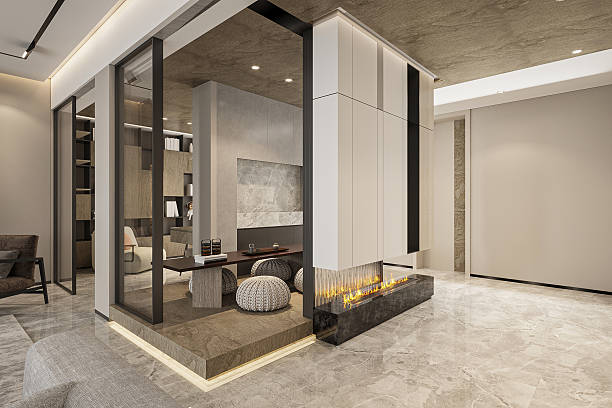
Construction looks exciting on paper. New build, fresh start, everything lining up. But here’s the thing—skip design planning, and it all starts to fall apart faster than you’d expect. I’ve seen projects that looked solid at the beginning slowly turn into messy, expensive headaches. Even Residential Interior Designers in Las Vegas will tell you, most disasters don’t come from bad intent, they come from no plan. Or worse, a half-baked one someone thought was “good enough.” It rarely is.
Where It Starts to Slip: No Clear Vision
A lot of projects go wrong before the first brick is even placed. No clear direction, no solid brief, just a rough idea floating around. That’s usually where trouble creeps in. One person imagines something modern, another wants classic, and the contractor is just trying to make sense of both. Without proper design planning, decisions get made on the fly. And those quick decisions? They pile up. You end up with a space that feels disconnected. Not wrong exactly, but not right either. Kind of frustrating, honestly.
Budget Blowouts Happen Faster Than You Think
Money goes sideways when there’s no design plan. Simple as that. Without a detailed layout, material list, or finish schedule, costs stay vague. And vague costs almost always grow. Suddenly you’re paying for changes mid-construction, rework, delays, extra labor. It adds up fast. People think skipping planning saves money upfront. It doesn’t. It just pushes the cost down the line where it hurts more. You’re not saving, you’re just postponing the hit.
Constant Changes Kill Momentum
Here’s something people underestimate—how damaging constant changes can be. When there’s no proper plan, changes become normal. Move a wall here, shift lighting there, swap materials halfway through. Sounds small, but it slows everything down. Workers stop, restart, adjust. Time gets wasted. Energy too. And the project starts dragging. What should’ve taken months suddenly stretches longer, and nobody’s happy about it. Not the client, not the team.
Functionality Gets Overlooked
This one’s big. Without design planning, people focus too much on how things look and forget how they work. A room might look great in photos but feel awkward in real life. Bad lighting placement, cramped walkways, poor storage—stuff that becomes obvious only after it’s built. And fixing it later? Way harder. Planning isn’t just about aesthetics, it’s about making sure the space actually functions day to day. Miss that, and you feel it every single day.
Material Mismatches and Poor Finishes
When there’s no clear design roadmap, material choices become random. One tile doesn’t match the next, finishes clash, textures compete instead of complementing each other. It’s not always obvious at first, but once everything comes together, the inconsistency shows. And it cheapens the whole project. Even expensive materials can look bad if they’re not coordinated. That’s the irony. Planning avoids that. Without it, you’re basically guessing.
Communication Breakdowns on Site
Construction needs coordination. Designers, contractors, suppliers—everyone has to stay aligned. Without proper design planning, communication breaks down. Instructions get unclear. Drawings don’t match expectations. People start interpreting things differently. And that’s where mistakes happen. Wrong installations, incorrect measurements, delays waiting for clarifications. It’s not always dramatic, but it’s constant. And those small issues stack up.
Delays Become the Norm, Not the Exception
No plan means no timeline you can trust. Work stops because decisions aren’t finalized. Materials arrive late because they weren’t ordered in time. Teams sit idle waiting for direction. It’s messy. And delays don’t just affect schedule, they affect cost, coordination, and morale too. Everyone gets tired of the back-and-forth. Projects lose momentum. And once that happens, getting things back on track isn’t easy.
Why Planning Is Where the Real Work Happens
Here’s the part most people don’t like hearing—the planning phase is the real work. Not the construction. The thinking, the mapping out, the detailing. That’s where good projects are made. People who invest in Professional Interior Design Services in Las Vegas usually understand this. They’re not paying for drawings, they’re paying for clarity. For fewer mistakes. For smoother execution. It’s not about making things fancy, it’s about making things work right from the start.
Conclusion
Skipping design planning doesn’t just create small issues, it sets the whole project up for problems. Budget overruns, delays, mismatched finishes, awkward spaces—it all ties back to that missing foundation. A solid plan won’t make everything perfect, but it prevents most of the avoidable mess. And that alone makes a big difference. Construction is already complex. No need to make it harder by going in unprepared.



