Experiencing a home flood emergency can be terrifying. Once the waters recede and the immediate danger passes, many homeowners are left wondering what to do next. Taking the right steps after a flood is critical not only to restore your property but also to protect your health and prevent further damage. At Ideal Response, we emphasize a structured approach to post-flood recovery that ensures safety and efficiency. Here’s a step-by-step guide to navigating the aftermath of a flood.
How Do You Ensure Safety After a Flood Emergency?
Safety is the top priority immediately after a flood. Even when the water seems to have receded, hazards remain. Electrical systems may be compromised, structural damage could make the building unsafe, and contaminated water can pose serious health risks.
- Avoid Entering Flooded Areas: Do not step into waterlogged rooms until the electricity is turned off. Water conducts electricity, and even small currents can cause severe injury.
- Check for Gas Leaks: Flooding can damage gas lines. If you smell gas or hear a hissing sound, evacuate immediately and call emergency services.
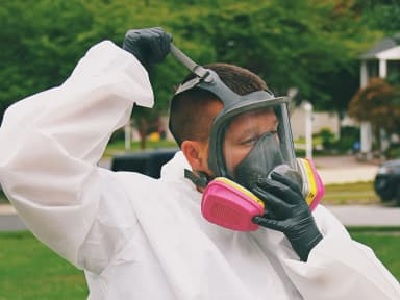
- Wear Protective Gear: When entering your home, wear gloves, boots, and masks to protect against bacteria, mold, and sharp debris.
- Stay Informed: Listen to local news or weather updates for guidance on potential secondary floods or health advisories.
Following these precautions will protect your family and set the stage for effective recovery.
What Should You Do First in Home Flood Emergency Recovery?
Once safety is ensured, the next focus should be on evaluating the damage. A thorough inspection allows you to prioritize repairs and document losses for insurance purposes.
- Document Everything: Take photos and videos of damaged areas, including walls, furniture, appliances, and flooring. This documentation is essential for insurance claims.
- Separate Salvageable Items: Move undamaged items to dry areas. Porous materials like carpets, mattresses, and upholstered furniture may be unsalvageable if heavily soaked.
- Check Structural Damage: Inspect floors, walls, and the foundation for cracks or instability. If the building appears unsafe, contact a professional structural engineer before entering further.
- Contact Your Insurance Company: Report the flood promptly to ensure your claim process begins without delays. Provide all documentation of damage and repair estimates.
How Do You Handle Water Removal and Drying?
Water removal is a crucial step in basement water damage restoration and overall flood recovery. Standing water can quickly lead to mold growth and further structural deterioration.
- Pump Out Water Safely: Use a pump or wet vacuum to remove standing water. Start from the lowest point of the home, usually the basement, and work upward.
- Remove Saturated Materials: Carpets, insulation, and drywall that are heavily soaked should be removed. These materials can harbor bacteria and mold if not properly treated.
- Dry the Area Thoroughly: Use industrial fans, dehumidifiers, and open windows (if the weather allows) to circulate air and dry out your home.
- Prevent Mold Growth: Apply anti-microbial solutions to affected areas. Mold can develop within 24–48 hours, making early intervention essential.
Professional flood restoration companies like Ideal Response can accelerate this process using specialized equipment, particularly in basements prone to severe water accumulation.
How Do You Clean and Sanitize Your Home After a Flood?
Floodwaters often carry bacteria, chemicals, and debris, making cleaning and sanitization essential.
- Disinfect Surfaces: Use bleach solutions or EPA-approved disinfectants on floors, walls, and counters. Avoid mixing cleaning chemicals, as this can create hazardous fumes.
- Wash Belongings: Hard items like furniture, kitchenware, and toys should be washed with soap and disinfectant. Items like clothing and bedding should be washed in hot water or disposed of if irreparably damaged.
- Check Plumbing Systems: Floods can damage pipes and sewage lines. Flush and disinfect water systems if contamination is suspected.
- Inspect Electrical Appliances: Do not use appliances that have been submerged until inspected and repaired by a professional.
Proper cleaning reduces the risk of illness and prepares your home for repairs.
How Can You Restore Structural and Personal Property?
Once your home is safe and dry, the next phase is restoring it to pre-flood condition.
- Hire Professionals for Basement Water Damage Restoration: Basements are particularly vulnerable to structural damage and mold. Professionals can assess the integrity of walls, floors, and foundations while restoring electrical and plumbing systems.
- Repair or Replace Damaged Materials: Replace drywall, flooring, and insulation as needed. Use water-resistant materials where possible to prevent future damage.
- Focus on Preventive Measures: Consider installing sump pumps, flood barriers, or drainage systems to minimize damage in future floods.
- Restore Personal Property: Once structural repairs are underway, restore furniture, electronics, and personal items. Some valuable items may require specialized cleaning or restoration services.
By tackling structural and personal restoration simultaneously, you ensure your home returns to a safe and livable condition efficiently.
How Do You Protect Yourself From Future Floods?
After a home flood emergency, it’s essential to prepare for potential future events. Flood-proofing your home can reduce damage and stress if another flood occurs.
- Install Flood Sensors and Alarms: Early warning systems alert you before flooding reaches dangerous levels.
- Elevate Utilities and Appliances: Keep electrical panels, furnaces, and appliances above potential flood levels.
- Improve Drainage Systems: Clean gutters, maintain sump pumps, and ensure proper grading around your home.
- Create an Emergency Plan: Have a family plan in place, including evacuation routes, emergency kits, and contact information for local flood authorities.
Taking these precautions ensures you’re better equipped to face future flooding events.
When Should You Seek Professional Help?
While some flood recovery tasks can be handled independently, hiring professionals ensures thorough restoration and safety. Call for professional help if:
- Water is deep or contaminated
- Mold growth is visible or suspected
- Electrical or structural damage is extensive
- Insurance claims require expert documentation
Professional services, including basement water damage restoration, ensure that your home is restored correctly, reducing long-term risks and expenses.
Conclusion: Act Quickly to Minimize Flood Damage
Recovering from a flood requires prompt action, careful planning, and sometimes professional assistance. From ensuring safety to restoring structural integrity and protecting your home from future disasters, every step is crucial. By following this guide and leveraging expert services like Ideal Response, homeowners can navigate a home flood emergency efficiently and restore their homes safely.
Remember, the faster you act, the lower the risk of lasting damage and health hazards. Floods are challenging, but with proper steps, your home can recover fully, keeping your family safe and secure.


