Cancer treatment brings many challenges, and hair loss from chemotherapy ranks high among them. For women facing this, losing eyelashes can affect confidence and daily routines like applying makeup. Patients often seek safe ways to enhance or restore their lash appearance during treatment. This post explores the best eyelash options for chemo patients, focusing on gentle, low-maintenance solutions that prioritise health and recovery.
Understanding Chemo’s Impact on Eyelashes
Chemotherapy targets fast-growing cells, including hair follicles. Eyelashes typically thin or fall out within weeks of starting treatment, leaving eyes bare and sensitive. Regrowth begins 3 to 6 months after chemo ends, but the process varies by drug type and individual factors. Skin around the eyes becomes fragile, increasing risks from irritants.
Health experts recommend avoiding anything that pulls on follicles or introduces chemicals. The American Cancer Society advises gentle care routines and cautions against extensions or heavy mascaras during active treatment. Natural lashes, if any remain, need protection to support regrowth. Temporary enhancements must be hypoallergenic and easy to remove.
Why Traditional Eyelash Extensions Fall Short
Full eyelash extensions involve gluing synthetic fibres to natural lashes. While popular for volume, they pose problems for chemo patients. The adhesive can cause irritattion in sensitive skin, and the weight stresses fragile follicles. Removal often requires solvents that dry out the eye area.
Experts from the Oncology Nursing Society note that extensions increase infection risks in immunocompromised patients. They also shed unevenly as natural lashes fall, creating a patchy look. For those in recovery, waiting until lashes stabilise makes sense. Safer alternatives exist that enhance without attachment.
Semi-Permanent Options: Lash Lifts and Tints
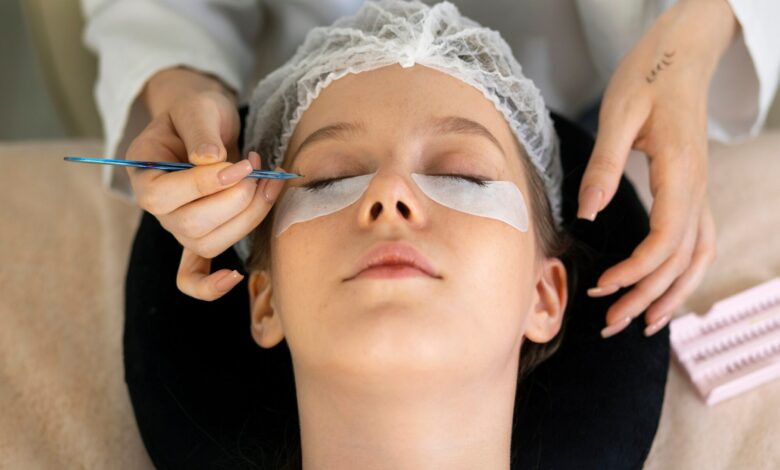
A superior choice comes from semi-permanent treatments like a natural eyelash lift and tint. This procedure curls existing lashes upward and darkens them with dye, mimicking the effect of extensions or mascara. It works on sparse or short lashes, lifting them from the root for an open-eyed appearance.
The process uses mild perming solution and tint, applied in 45 to 60 minutes. Results last 6 to 8 weeks, aligning with lash growth cycles. For chemo patients, it avoids glue or weights, reducing irritation. Dermatologists endorse it for sensitive skin when performed by certified technicians.
Key benefits include:
- Gentleness: No daily products needed, minimising exposure to allergens.
- Natural look: Enhances your own lashes without synthetics.
- Low maintenance: Ideal for fatigue during treatment.
- Regrowth support: Does not damage follicles, aiding recovery.
Studies in cosmetic dermatology journals highlight the safety of similar treatments for medical hair loss. Patients report boosted self-esteem without compromising health.
Magnetic Lashes: A Reusable, Non-Invasive Alternative
Magnetic lashes attach via tiny magnets to eyeliner or lash bands, offering instant length and volume. Brands like Ardell and Babe Original provide strips that can be reused up to 60 times. They suit chemo patients because the application takes seconds, and removal leaves no residue.
Choose lightweight, flexible options with short lengths to avoid eye strain. Apply over lash-free lids safely, as they bypass natural lashes entirely. Opt for hypoallergenic formulas free of latex and formaldehyde. User feedback from cancer support forums praises their ease during low-energy days.
Pros outweigh cons:
- Quick on-off without tools.
- Washable and portable.
- Affordable long-term.
Pair with a primer for better hold on oily lids, common post-chemo.
Natural Enhancement Through Serums and Oils
For subtle growth support, prescription or over-the-counter serums stimulate follicles. Latisse (bimatoprost) requires a doctor’s approval and shows results in 8 to 16 weeks. It lengthens and thickens lashes but may cause temporary redness.
Gentler options include castor oil or peptide serums like The Ordinary’s Multi-Peptide Lash and Brow Serum. Apply nightly with a clean brush. These nourish without hormones, fitting health standards for evidence-based advice. Oncologists approve them post-treatment, once the skin heals.
Combine with a clean routine:
- Use micellar water for gentle cleansing.
- Apply serum to clean lashes.
- Moisturise lids with aloe vera.
Consistency yields fuller lashes over time.
Makeup and Temporary Fixes for Daily Wear
Waterproof, tubing mascaras like Blink Everyday Waterproof lift and lengthen without smudging. They form tubes around lashes, peeling off easily with warm water. Avoid fibre mascaras that clump on sparse areas.
False lash clusters in singles offer targeted fullness. Use lash glue sparingly on the outer corners. For bare lids, pencil liners create the illusion of lashes. These quick fixes restore normalcy without commitment.
Professional Care and Timing Considerations
Consult a dermatologist or oncologist before any treatment. Schedule lash services after acute side effects subside. Certified salons follow hygiene protocols, vital for immunocompromised clients.
In Gold Coast, Australia, specialised spas cater to medical needs with tailored consultations. Look for therapists trained in oncology aesthetics.
Long-Term Recovery and Maintenance
Post-chemo, focus on nutrition rich in biotin, protein, and omega-3s to speed regrowth. Scalp massages extend to lashes gently. Patience matters, as full density returns in 6 to 12 months.
For lasting elegance, revisit semi-permanent options once stable. The Lash Spa on the Gold Coast offers expert care blending safety and beauty for clients navigating hair loss.


