Understanding ATM Machine Processing in Modern Banking

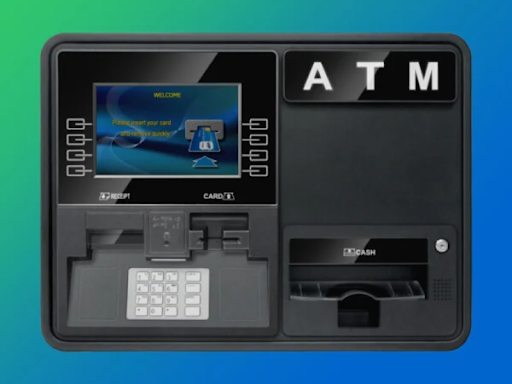
ATM processing is a critical component of modern banking infrastructure, enabling customers to perform financial transactions quickly and securely without visiting a bank branch. Automated Teller Machines (ATMs) have evolved significantly from simple cash dispensers to multifunctional kiosks capable of handling deposits, fund transfers, and bill payments. Understanding ATM machine processing helps users and businesses appreciate the complex systems that ensure seamless banking experiences.
How ATM Machine Processing Works
ATM machine processing begins the moment a user inserts their card into the machine. The ATM reads the card data stored in the magnetic stripe or chip and prompts the user to enter their Personal Identification Number (PIN). This information is encrypted and sent to the bank’s host system or an ATM network for verification.
Once the PIN is authenticated, the user selects a transaction, such as cash withdrawal or balance inquiry. The ATM forwards this request through a secure network to the issuing bank. The bank checks the account balance, verifies transaction limits, and either approves or declines the request. Upon approval, the ATM dispenses cash and prints a receipt. This entire ATM machine processing cycle typically takes only a few seconds but involves multiple secure communication layers.
Key Components of ATM Machine Processing
Several components work together to ensure efficient ATM processing. The ATM terminal itself includes hardware such as a card reader, keypad, cash dispenser, receipt printer, and display screen. On the software side, the ATM runs specialized programs that manage user interactions and transaction flows.
The backend infrastructure includes the ATM switch, which serves as a routing system that connects ATMs to banks and financial networks. Payment networks such as Visa, Mastercard, or interbank networks facilitate communication between different financial institutions. Additionally, core banking systems handle account verification and transaction authorization, making them central to ATM processing.
Security Measures in ATM Machine Processing
Security is a fundamental aspect of ATM processing. Advanced encryption protocols are used to protect sensitive data such as PINs and card details during transmission. ATMs are equipped with secure PIN entry devices (PEDs) that prevent unauthorized access.
Banks also implement fraud detection systems that monitor unusual transaction patterns in real time. Technologies such as EMV chip cards and two-factor authentication further enhance security. Physical security measures, including surveillance cameras and tamper-resistant hardware, add another layer of protection to ATM operations.
Role of Networks in ATM Machine Processing
ATM machine processing relies heavily on interbank networks to function efficiently. When a customer uses an ATM that does not belong to their bank, the transaction is routed through a shared network. These networks ensure interoperability, allowing customers to access their funds from virtually any ATM worldwide.
The network switch plays a crucial role by directing transaction requests to the appropriate bank and returning authorization responses. This interconnected ecosystem ensures that ATM machine processing remains fast, reliable, and accessible across different geographic locations.
Benefits of Efficient ATM Machine Processing
Efficient ATM machine processing provides numerous benefits for both banks and customers. For customers, it offers convenience, 24/7 access to financial services, and reduced dependency on physical bank branches. Transactions are processed quickly, minimizing wait times and improving user experience.
For banks, streamlined ATM processing reduces operational costs and enhances service delivery. It allows financial institutions to serve a larger customer base without significantly expanding their physical infrastructure. Additionally, data generated from ATM transactions helps banks analyze customer behavior and improve services.
Challenges in ATM Machine Processing
Despite its advantages, ATM machine processing faces several challenges. Network downtime, hardware malfunctions, and cybersecurity threats can disrupt services. Maintaining and upgrading ATM infrastructure requires significant investment, especially with evolving security standards.
Another challenge is ensuring compliance with regulatory requirements and data protection laws. As digital transactions increase, banks must continuously adapt their ATM processing systems to meet higher security and performance expectations.
Conclusion
Understanding ATM machine processing in modern banking highlights the complexity and efficiency of the systems that power everyday financial transactions. As technology continues to evolve, banks are increasingly exploring strategies such as outsourcing ATM operations to improve efficiency, reduce costs, and enhance service quality. From secure authentication to real-time communication with banking networks, each step is designed to provide a seamless user experience.


