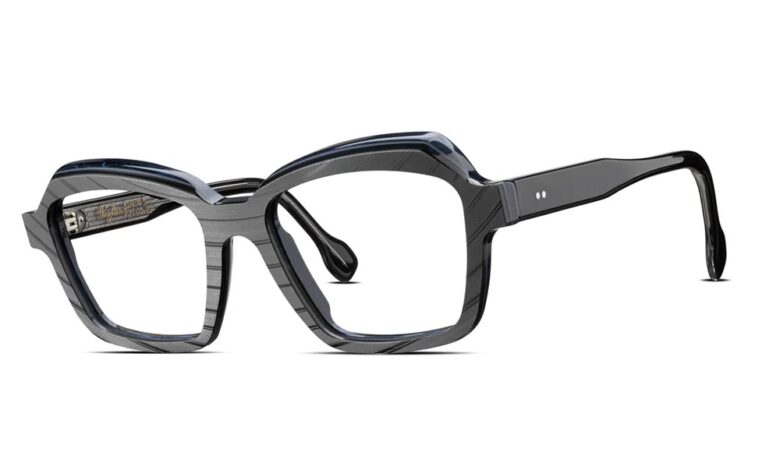
Imagine holding onto an old pair of glasses in your drawer scratched lenses, bent frames, or maybe just outdated style. You’ve had them for years, and honestly, they’ve seen better days. But what if I told you that these old eyeglasses could get a second life, help someone in need, and even reduce waste in our environment? That’s right! The world of Recycle eyeglasses is not only possible but easier than you think. In this guide, we’ll explore everything you need to know about recycling your eyewear from the “why” and “how” to creative ways to repurpose them at home.
Why Recycling Eyeglasses Matters
Before diving into the “how,” let’s understand why recycling eyeglasses is important. The reality is, millions of glasses get thrown away every year. And those frames and lenses don’t just disappear—they often end up in landfills, where they can take decades to decompose.
Here are some big reasons to rethink how we handle old glasses:
1. Environmental Impact
Plastic frames and coated lenses contribute to pollution. When discarded carelessly, they can harm ecosystems, animals, and water supplies. Recycling helps keep these materials out of landfills and gives them a second life.
2. Helping People in Need
Many people worldwide don’t have access to vision care. By donating old glasses, you can help someone see clearly again—think about the difference it could make in a student’s education, a worker’s job, or a senior’s independence.
3. Reducing Waste in the Optical Industry
The eyewear industry produces a significant amount of waste. Recycling helps reduce the pressure on manufacturers and encourages sustainable practices in an industry that’s rapidly growing.
What Can Be Recycled?
Not all glasses are recyclable in the same way, so it’s essential to know what works and what doesn’t.
- Frames: Metal, plastic, and even wood frames can often be recycled or donated.
- Lenses: Plastic and glass lenses require special recycling processes. Some programs accept lenses, while others only take frames.
- Accessories: Cases and cleaning cloths can sometimes be reused or recycled depending on the material.
Pro tip: Always check with the recycling or donation program before sending anything in.
How to Recycle Your Eyeglasses
Recycling eyeglasses is simpler than it sounds. Here’s a step-by-step approach:
Step 1: Check Their Condition
Separate glasses that are still usable from those that are broken beyond repair. Usable glasses can go directly to donation programs, while broken frames may need a specialized recycling center.
Step 2: Find a Local Program
Many local opticians, vision centers, and nonprofits accept eyeglasses donations. Some popular programs include:
- Lions Clubs International – Collects glasses and distributes them worldwide.
- OneSight – Focuses on providing eye care in underprivileged areas.
- Local optometrists – Many offices have collection boxes for used glasses.
Step 3: Mail or Drop Off
Some programs offer prepaid shipping labels, while others have physical drop-off points. Package your glasses carefully to avoid damage during transit.
Step 4: Spread the Word
Encourage friends and family to recycle their glasses too. A small community effort can make a big impact.
Creative Ways to Repurpose Old Glasses
Not ready to part with your glasses? You can get creative and repurpose them in ways that are fun, useful, and decorative.
1. DIY Sunglasses
Tint your lenses or add clip-on shades to make stylish new sunglasses. A simple craft can give old glasses a fashionable upgrade.
2. Mini Greenhouses for Plants
Use old frames and lenses to protect seedlings or small plants in your garden. It’s a fun and sustainable way to reuse materials.
3. Decorative Art
Frames and lenses can be turned into unique wall art, photo frames, or jewelry. Let your creativity run wild!
4. Educational Tools
Old eyeglasses can be used for teaching optics and vision science in classrooms or workshops.
Tips for Choosing a Recycling Program
Not all programs are created equal. Here’s what to look for:
- Reputation: Ensure the organization has a track record of distributing or recycling eyewear responsibly.
- Transparency: Look for programs that clearly explain where your glasses will go.
- Convenience: Check if there are drop-off locations near you or if shipping is easy.
Remember, a trusted program ensures your glasses make a real impact.
How Technology is Changing Eyewear Recycling
Recent innovations in recycling technology are making it easier to repurpose old glasses:
- 3D Printing: Broken frames can be melted down and reshaped into new frames.
- Material Separation: Advanced machines can separate metals from plastics efficiently, reducing waste
- Blockchain Tracking: Some companies track donated glasses to ensure they reach those in need.
These advancements are creating a more sustainable and transparent eyewear ecosystem.
Benefits of Donating Glasses vs. Throwing Away
When you donate glasses instead of discarding them, you’re:
- Helping someone see clearly – Improving quality of life and opportunities.
- Reducing landfill waste – Every pair you donate keeps waste out of the environment.
- Promoting sustainability – Encouraging a culture of reuse and mindful consumption.
It’s a win-win for both people and the planet.
Inspiring Stories of Eyeglass Recycling
Here’s a story to show the real-world impact:
A young girl in a rural village received a pair of recycled glasses from a Lions Club donation. For the first time, she could read her schoolbooks without straining her eyes. Her grades improved, and she gained confidence in the classroom. This is just one example of how recycle eyeglasses programs transform lives every day.
How Businesses Can Get Involved
Eyewear recycling isn’t just for individuals—businesses can play a huge role too:
- Optical stores: Collect old glasses for donation.
- Corporations: Launch “Eyewear Recycling Drives” for employees.
- Nonprofits: Partner with vision care programs to expand reach.
Businesses that participate not only do good but also enhance their corporate social responsibility profile.
Quick Guide: Where to Recycle Eyeglasses
Here’s a handy list of places to recycle or donate your glasses:
- Lions Clubs International – www.lionsclubs.org
- OneSight – www.onesight.org
- Local opticians or eye clinics – Check nearby locations
- Community donation drives – Often at schools, malls, or health fairs
Tip: Always check the program’s website for specific instructions and packaging requirements.
DIY Care and Maintenance Before Recycling
Before sending your glasses off, consider a little TLC:
- Clean lenses and frames thoroughly.
- Remove personal prescription details if possible.
- Bundle sets of glasses together to save shipping costs.
This small step ensures that your glasses are in the best condition for reuse.
The Future of Eyeglass Recycling
The future looks bright! With growing awareness, better technology, and more accessible programs, recycling eyeglasses will become standard practice. Imagine a world where every old pair finds a new home helping someone see clearly while protecting the planet.
Sustainable eyewear brands are also emerging, making it easier for consumers to choose eco-friendly materials and participate in recycling programs seamlessly.
How You Can Make a Difference Today
It’s simple to start:
- Gather old glasses from home or office.
- Find a reputable donation or recycling program.
- Spread the word to friends, family, and colleagues.
Small actions can lead to massive impact when it comes to sustainability and global vision care.
Conclusion
Your old glasses are more than just a forgotten accessory they can be a tool for positive change. By taking a few simple steps to Recycle eyeglasses, you’re helping the environment, supporting people in need, and promoting sustainable habits. Whether you donate, repurpose, or participate in a community drive, every pair counts. Start today, and give your eyewear a second life that truly matters.


