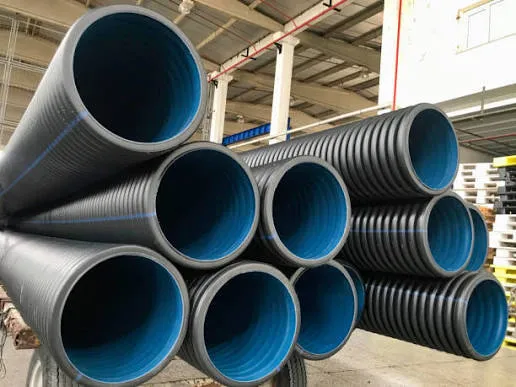
Saudi Arabia’s infrastructure landscape is undergoing a significant transformation as large-scale residential, commercial, and industrial developments continue to reshape the country. Investments aligned with Vision 2030 are increasing demand for advanced construction materials that offer long-term durability, operational efficiency, and sustainability. Among these materials, polypropylene random copolymer (PPR) piping solutions are gaining wider acceptance due to their ability to support modern plumbing and water distribution systems.
The Saudi Arabia Polypropylene Random Copolymer (PPR) Pipes Market reflects the growing adoption of high-performance piping systems across new construction and renovation projects. According to the latest industry assessment, the market was valued at around USD 102 million in 2025 and is projected to reach approximately USD 158 million by 2032, expanding at a CAGR of around 6.4% during 2026–2032. Increasing preference for advanced plumbing pipe solutions is supporting this market evolution across residential, commercial, and industrial developments.
Unlike conventional metal piping, PPR systems offer resistance to corrosion, chemical exposure, and scaling while maintaining water quality over extended operational periods. These characteristics make them suitable for hot and cold water supply networks, HVAC installations, and industrial fluid transportation, supporting the country’s expanding construction ecosystem.
Infrastructure Expansion Continues to Create New Opportunities
Saudi Arabia’s ambitious urban development projects remain one of the strongest catalysts for demand across the piping industry. Mega developments, including smart cities, tourism destinations, residential communities, and commercial complexes, require reliable plumbing infrastructure capable of meeting long-term operational requirements.
As construction activities accelerate, developers increasingly prioritize materials that minimize maintenance costs while ensuring dependable performance. PPR piping systems address these requirements by providing leak-resistant joints, lightweight installation, and extended service life, making them an attractive solution for large-scale infrastructure investments. According to the study published by MarkNtel Advisors, sustained construction activities are expected to support steady market expansion throughout the forecast period.
Water Conservation Goals Encourage Efficient Piping Systems
Efficient water management has become an important national priority across Saudi Arabia. The country’s emphasis on sustainable resource utilization is encouraging builders and infrastructure planners to adopt plumbing solutions that reduce leakage and improve distribution efficiency.
PPR pipes contribute to these objectives through their smooth internal surfaces, which minimize pressure losses and reduce the likelihood of scaling. Their strong sealing performance also helps prevent water wastage, making them well suited for residential housing, institutional facilities, healthcare infrastructure, and commercial buildings where efficient water delivery remains essential.
Industrial Applications Support Market Diversification
While residential construction represents a major source of demand, industrial facilities are increasingly contributing to market growth. Manufacturing plants, processing industries, and utility installations require piping materials capable of transporting various fluids while maintaining resistance to chemicals and elevated temperatures.
The adaptability of PPR piping systems enables their use across numerous industrial applications without compromising operational reliability. Their resistance to corrosion reduces maintenance requirements, helping industrial operators improve system efficiency and lower lifecycle costs. These advantages continue to broaden their adoption beyond conventional building applications. Industry observations also highlight the growing preference for durable polymer-based piping technologies in industrial infrastructure modernization.[1]
Technological Improvements Enhance Product Performance
Manufacturers continue investing in product innovation to improve the mechanical strength, thermal stability, and pressure resistance of modern PPR pipes. Enhanced manufacturing technologies have resulted in products capable of operating under demanding environmental conditions while maintaining structural integrity over extended periods.
Advancements in installation methods have also simplified project execution by reducing labor requirements and installation time. Improved fusion welding techniques create durable joints that enhance overall system reliability, providing additional confidence for contractors, engineers, and project developers responsible for complex infrastructure projects.
Future Outlook Remains Supported by Construction Modernization
Saudi Arabia’s ongoing urban transformation, coupled with increasing investment in sustainable infrastructure, is expected to maintain favorable conditions for advanced piping solutions throughout the coming years. Growing awareness of lifecycle cost advantages and operational efficiency continues to encourage the replacement of conventional materials with modern polymer-based alternatives.
As construction standards continue evolving, demand for reliable water distribution systems is likely to remain an important component of infrastructure planning. Continuous innovation, expanding industrial applications, and large-scale development initiatives collectively position advanced piping technologies to play an increasingly important role in supporting the country’s long-term construction objectives.



