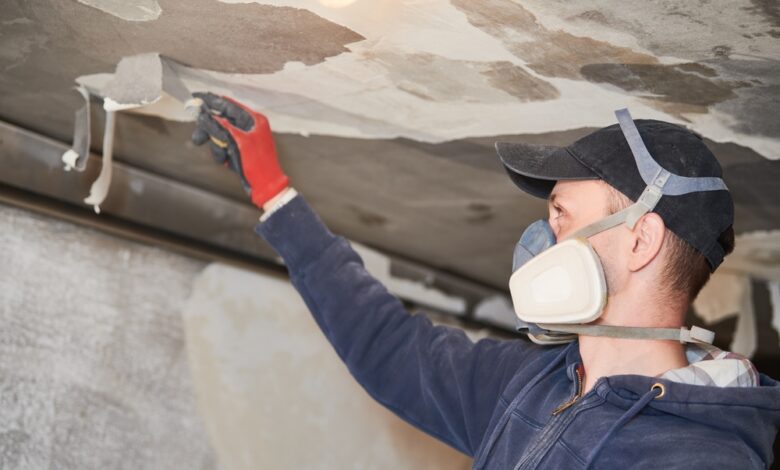
Surviving a house fire is overwhelming. Once the flames are out and fire damage restoration is complete, relief sets in. But recovery isn’t just about rebuilding. It’s about preventing future disasters.
Understanding what caused the fire and taking steps to reduce risks can protect your home and family. In this guide, you’ll learn practical tips to create a safer environment and ensure that your hard work during fire damage restoration lasts for years to come.
Assess and Address the Cause
Identify What Started the Fire
Every fire has a cause. Faulty wiring, unattended appliances, or even candles can spark a disaster. Work with your restoration team or a fire inspector to understand what went wrong.
Knowing the source helps you take specific actions to prevent it from happening again. For example, if electrical issues were the cause, a full inspection and rewiring may be necessary.
Learn from the Incident
Fire damage restoration doesn’t just repair your home; it reveals weaknesses in safety practices. Use this insight to make smarter choices. For example, avoid overloading outlets, and keep flammable materials away from heat sources.
Improve Electrical and Heating Safety
Schedule Regular Inspections
Old or faulty wiring is a leading cause of house fires. Hire a licensed electrician to inspect your system annually. They can spot potential hazards and fix them before they escalate.
Similarly, heating systems and chimneys should be checked and cleaned. Proper maintenance reduces the risk of future fires significantly.
Upgrade Outdated Systems
After completing fire damage restoration, consider upgrading your electrical panel or installing surge protectors. Modern systems are safer and more efficient, giving you peace of mind.
Install and Maintain Safety Equipment
Smoke Alarms Save Lives
Smoke alarms are your first line of defense. Install them in every bedroom, hallway, and on every floor. Test them monthly, replace batteries yearly, and upgrade units every 10 years.
These devices alert you early, giving you precious time to evacuate and call for help.
Keep Fire Extinguishers Handy
Place fire extinguishers in key areas like the kitchen, garage, and near fireplaces. Learn how to use them, and teach your family members as well. Quick action with an extinguisher can stop a small fire from becoming a disaster.
Practice Safe Habits Daily
Be Mindful in the Kitchen
Cooking-related incidents are a top cause of fires. Never leave a stove unattended, and keep flammable items away from burners. Invest in stove alarms if distractions are common in your household.
After fire damage restoration, staying cautious in the kitchen is one of the easiest and most effective ways to prevent another incident.
Use Appliances Responsibly
Unplug small appliances when not in use, and avoid using damaged cords or outlets. Overloaded power strips are another common culprit; use surge protectors instead.
Create a Fire-Prepared Home
Develop an Emergency Plan
Every household should have an escape plan. Map out exits, designate a meeting spot, and practice drills regularly. When everyone knows what to do, panic decreases, and safety improves.
This habit is particularly important after fire damage restoration, when family members may still feel anxious about another incident.
Store Important Items Safely
Keep valuables, important documents, and emergency supplies in a fireproof safe. This ensures that, even in the worst-case scenario, critical items are protected.
Maintain Clear and Safe Spaces
Declutter and Organize
Clutter not only fuels fires but also blocks exits during emergencies. Keep hallways, stairways, and doorways clear. Store flammable materials like paint or chemicals in secure, ventilated areas away from heat sources.
This simple step helps reduce risks while keeping your home safer for everyone.
Landscape for Fire Safety
If you live in a wildfire-prone area, create a defensible space around your home. Trim overgrown bushes, remove dead vegetation, and keep your lawn well-maintained. These actions can slow the spread of fire and give firefighters more time to protect your home.
Regular Professional Maintenance
Schedule Routine Inspections
A key part of post-fire damage restoration safety is keeping up with maintenance. Hire professionals to inspect your HVAC system, fireplace, and other potential risk areas annually.
These inspections catch small problems before they become major hazards.
Partner with Restoration Experts
Some fire damage restoration companies offer follow-up checks or maintenance plans. These services ensure that repairs remain intact and your home stays safe over time.
Educate Everyone in the Household
Teach Fire Safety Basics
Every member of your household should know the basics of fire prevention and emergency response. Teach children to avoid playing with matches or lighters and to recognize smoke alarm sounds.
Knowledge empowers your family to stay safe and act quickly during an emergency.
Review and Update Plans
As your family changes, update your emergency plan. Make sure new members or guests know the escape routes and where to find safety equipment. Consistent updates keep everyone prepared.
Leverage Smart Technology
Use Smart Detectors and Plugs
Smart smoke detectors send alerts to your phone, even when you’re not home. Smart plugs can automatically turn off appliances if they overheat, adding an extra layer of safety.
After fire damage restoration, investing in these devices can give you confidence that your home is safer and more secure.
Monitor Your Home Remotely
Home monitoring systems let you check in on your property when you’re away. Cameras and sensors can alert you to hazards early, reducing response time and potential damage.
Conclusion
Recovering from a fire is hard, but preventing another one is possible with the right steps. From addressing the original cause to upgrading systems, improving safety habits, and using modern technology, you can significantly reduce risks.
Remember, fire damage restoration is just the beginning of the journey. The real goal is creating a safer, more prepared home where you and your family can feel secure. By staying proactive and vigilant, you protect not only your property but also the people who matter most.


