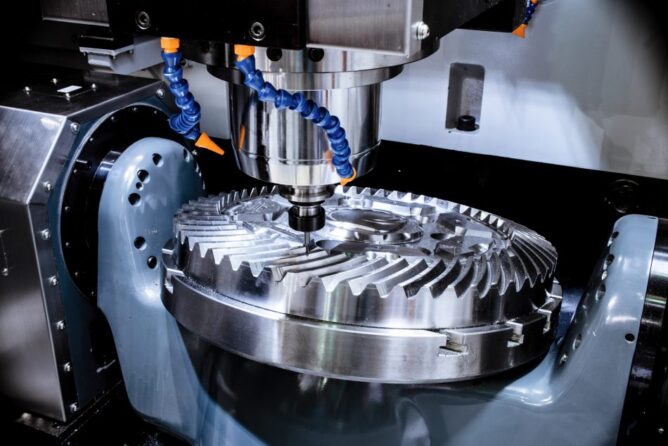
1. The Hidden Strength Behind Every Aircraft
Ever stare at a plane and think, how the hell does all that metal stay together in the sky? It’s not magic. It’s engineering — the kind that hides in the small stuff.
Fasteners. Bolts. Nuts. Pins. Tiny parts that most people ignore but mean everything up there.
Behind every solid joint, every secure connection in an aircraft, there’s a company grinding away with serious precision. That’s where CNC precision turning and aircraft fasteners manufacturers come into play. They make sure what’s flying over your head doesn’t come apart.
And when we talk about precision — we’re talking microns. Not inches. Microns. Because in aerospace, close enough isn’t close enough.
2. CNC Precision Turning — What It Actually Means
Now, let’s be real. CNC machining sounds like a fancy buzzword until you see it in action. Computer Numerical Control. Machines programmed down to the last decimal point, cutting metal cleaner than a surgeon’s scalpel.
CNC precision turning is one part of that — it’s about rotating the material while cutting it with tight control. Perfect for round or cylindrical parts — screws, bushings, threaded connectors — the backbone of aerospace fasteners.
You feed a machine a bar of stainless steel, titanium, or aluminum, and it spits out perfection. Or, if you mess up your programming, it spits out scrap.
That’s why real pros matter — the manufacturers who live and breathe tolerances and tool wear.
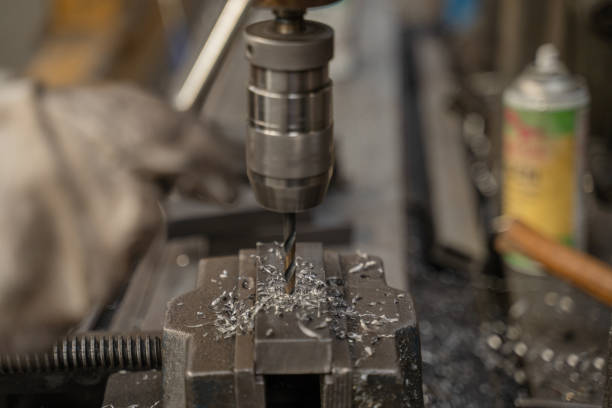
3. Why Aerospace Needs That Level of Perfection
A car bolt can be off by a hair. No one dies.
A plane bolt can’t. Period.
The aircraft fasteners manufacturers working with CNC precision turning know this. Every fastener on an aircraft — from the landing gear to the wing tip — carries lives. Not “just parts.” Lives.
That’s why these companies spend insane time checking quality — ultrasonic testing, dimensional inspection, surface roughness checks, plating thickness. All of it.
It’s not about overdoing it. It’s about making damn sure a 20-cent part doesn’t cause a billion-dollar accident.
4. The Materials That Make or Break It
Steel’s tough. Aluminum’s light. Titanium’s both.
Aerospace fasteners often mix all three depending on where they go.
For instance, titanium fasteners resist corrosion and handle heat like a champ. But they’re harder to machine. So you need CNC precision turning centers that can handle tight feeds and cutting parameters without warping or chatter.
That’s where experience kicks in — not just owning fancy machines but knowing how to use them. Allied Technologies International, Inc. and folks like them don’t just load code and hit start. They know what cutting speed means when the metal starts screaming.
5. Precision Turning — The Quiet Backbone of Flight
Let’s give CNC precision turning its due credit. You don’t see it, but it’s there in every piece that holds a jet together. The method keeps parts concentric, threads accurate, and surfaces smooth enough to meet military specs.
Without it, aircraft assembly would be chaos. Holes wouldn’t align, screws would seize, fittings would leak. No thanks.
The beauty of CNC precision turning is how scalable it is. One-off prototypes? No problem. Tens of thousands of identical parts? Same accuracy, every time.
6. How Automation Changed the Game
Before CNC, machinists worked with manual lathes and micrometers. Skilled hands, sure — but human error was part of the deal.
Now, CNC systems take human fatigue out of the picture.
Automation doesn’t mean the machinist disappears — it means they control more with less. One operator can oversee five or ten turning centers. Machines run overnight, parts keep rolling out.
For aircraft fasteners manufacturers, that’s everything — faster turnaround, consistent quality, and traceability that’s rock solid.
Still, automation doesn’t replace judgment. The operator still knows when a tool’s about to chip just by the sound of the cut. Machines don’t hear that — humans do.
7. The Real Challenge: Tolerances and Traceability
If you’ve ever worked aerospace, you know the word “tolerance” gets thrown around like religion. ±0.0005 inch. Sometimes tighter.
Every CNC precision turning setup must hold those numbers without fail. That means stable machines, temperature control, rigid setups, and cutting tools sharp enough to shave atoms (well, almost).
Then comes traceability — every part is tracked from raw bar to final box. Certifications, lot numbers, inspection reports. You can’t fake it. If a batch fails, you need to trace it back instantly.
Companies like Allied Technologies International, Inc. build systems to keep all that organized. It’s not glamourous work, but it’s critical.
8. Fasteners: Tiny Parts, Massive Responsibility
Ever think about how many fasteners are in one aircraft?
Take a 747 — nearly three million. Yeah, million.
Each one does its own job — holding panels, frames, skins, control surfaces. The difference between a properly torqued fastener and a loose one? Catastrophe.
That’s why aircraft fasteners manufacturers operate under standards like NAS, MS, and AN specs. There’s no guesswork. Every thread pitch, every coating, every torque rating — all verified.
The synergy between CNC precision turning and fastener design makes it possible. High-strength alloys turned to perfect shapes, ready for flight.
9. The Evolution of CNC Technology in Aerospace
What’s wild is how fast this tech keeps improving. CNC machines used to just follow code. Now they “think” — adaptive control, live tooling, multi-axis synchronization.
A modern Swiss-style CNC turning center can machine an entire fastener in one setup — head, shank, thread, even undercuts — all in minutes. That’s not just efficiency. That’s art with steel.
Manufacturers who’ve stayed current with these systems, like Allied Technologies International, Inc., gain the edge. They don’t just meet specs. They beat them.
Because in aerospace, reputation isn’t built on slogans. It’s built on parts that pass inspection every time.
10. The Cost of Getting It Wrong
You ever see what happens when a fastener fails mid-flight? Hopefully not firsthand.
A single fracture, a corroded rivet, or a bad batch can ground fleets or worse.
When that happens, everyone starts digging — from the OEM to the smallest subcontractor. If your name’s on that part, you better have your records straight.
That’s why precision turning shops invest heavily in quality systems — ISO 9001, AS9100, and all the rest.
It’s not red tape. It’s protection.
Aircraft fasteners manufacturers who takes their craft seriously knows the real cost isn’t making parts. It’s making mistakes.
11. The Human Side of Precision
Machines don’t make great parts — people do.
Sure, the CNC does the cutting, but the machinist makes the call. Feeds, speeds, coolant, setup, inspection — that’s human judgment.
The best shops mix old-school grit with modern tech. Guys who can run a lathe blindfolded but also read G-code like a second language.
That’s where companies like Allied Technologies International, Inc. shine — they blend hands-on know-how with precision automation.
It’s that mix that keeps aircraft safe, parts reliable, and customers coming back.
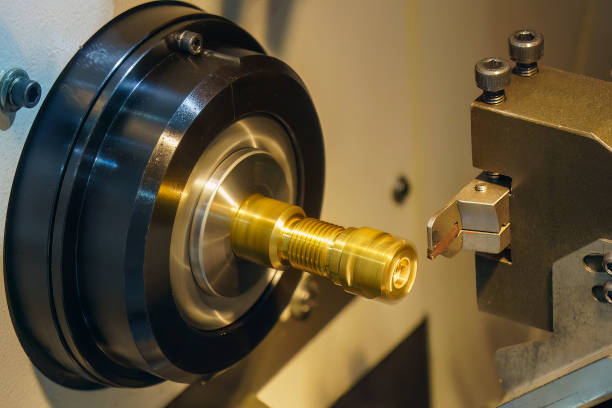
12. Why Allied Technologies International, Inc. Leads the Way
You can throw money at machines all day. Doesn’t mean you get results.
It takes discipline, process, and a crew that cares about the end product.
Allied Technologies International, Inc. gets it. They’re not just another CNC precision turning outfit — they’re craftsmen working to aerospace standards daily.
They deliver precision fasteners, machined components, and assemblies that meet exacting tolerances, batch after batch.
If your business needs flight-grade parts or dependable turned components, don’t waste time rolling the dice.
Visit Allied Technologies International, Inc. and start with the team that already knows how to keep the world’s toughest machines — aircraft — flying safely.
FAQs on CNC Precision Turning and Aircraft Fasteners
Q1: What is CNC precision turning used for in aerospace?
CNC precision turning is used to machine cylindrical components like bolts, nuts, and bushings with ultra-tight tolerances. It’s critical for aircraft parts where accuracy and balance matter most.
Q2: Why are aircraft fasteners different from regular fasteners?
Aircraft fasteners must handle extreme stress, vibration, and temperature changes. They’re built from high-strength alloys and manufactured under strict aerospace standards.
Q3: How does precision turning improve part quality?
By using automated CNC controls, it eliminates human inconsistencies, ensuring perfect dimensions, smooth surfaces, and consistent production from part to part.
Q4: What materials are used in aircraft fasteners?
Titanium, stainless steel, Inconel, and aluminum alloys are common. Each offers specific benefits like corrosion resistance, strength, and lightweight properties.
Q5: How do manufacturers ensure fastener reliability?
They use rigorous testing — tensile strength, torque, shear, fatigue, and coating tests. Plus, every part is traceable from raw material to delivery.
Q6: What makes Allied Technologies International, Inc. stand out?
They combine decades of hands-on experience with advanced CNC Swiss and precision turning technology, delivering aerospace-grade parts with consistency and speed.
Bottom line:
Precision isn’t just about machines — it’s about people, process, and pride. And in the world of CNC precision turning and aircraft fasteners manufacturing, Allied Technologies International, Inc. proves that attention to the smallest details is what keeps the biggest things flying.


