- 1. Choose the Best Time for Your Adventure
- 2. Select the Right Trekking Route
- 3. Prepare Your Body Before Traveling
- 4. Pack Essential Clothing and Equipment
- 5. Experience Local Culture and Traditions
- 6. Arrange Accommodation and Transportation
- 7. Travel Responsibly and Prioritize Safety
- Discover MTToubkalTrek for Your Mountain Journey
- Conclusion
Planning an unforgettable outdoor adventure requires choosing a destination that offers natural beauty, cultural experiences, and exciting activities. Morocco is an excellent choice for travelers seeking dramatic landscapes, traditional villages, and memorable mountain journeys.
The atlas mountains morocco region provides opportunities for hiking, trekking, photography, and discovering the rich traditions of local Berber communities. From peaceful valleys to rugged mountain peaks, this destination offers something for beginners and experienced adventurers alike.
Whether you are planning a weekend escape or a multi-day trekking expedition, preparing carefully can make your journey more enjoyable. Understanding the best time to visit, selecting suitable routes, arranging accommodation, and packing essential equipment will help you experience the mountains comfortably and safely.
1. Choose the Best Time for Your Adventure
One of the first steps in planning a mountain trip is selecting the right season. Weather conditions can significantly influence hiking difficulty, visibility, and overall comfort.
Spring, from March to May, is a popular period for exploring the mountains. During these months, valleys become greener, wildflowers appear, and temperatures are generally suitable for outdoor activities. Spring is especially attractive for travelers who enjoy photography and scenic walks.
Autumn, from September to November, also provides excellent trekking opportunities. Temperatures are often comfortable, and the changing light creates beautiful views across the valleys and rocky slopes. These conditions make autumn suitable for both day hikes and longer excursions.
Summer can be hot in lower valleys, although higher elevations may offer cooler conditions. Winter brings snow to many high-altitude areas, making certain routes more challenging and potentially requiring specialist equipment.
Before departure, check the local forecast and ask experienced guides about trail conditions. Choosing the right season helps you plan activities according to your fitness level and personal interests.
2. Select the Right Trekking Route
The atlas mountains morocco offer a wide variety of routes, ranging from short countryside walks to demanding high-altitude climbs. Choosing an appropriate trail is essential for enjoying your adventure without unnecessary risks.
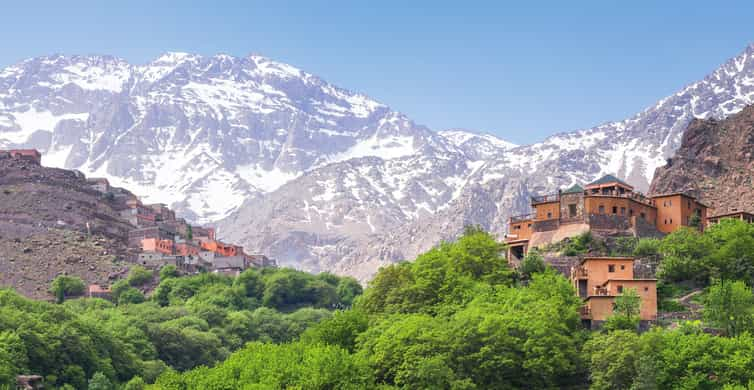
The Imlil Valley is an excellent starting point for many visitors. Located in the High Atlas region, it provides access to traditional villages, terraced fields, and mountain paths. Travelers can enjoy guided walks, visit local communities, and admire impressive views without necessarily attempting a difficult summit.
For experienced hikers, Mount Toubkal is one of the most famous objectives in Morocco. Rising to approximately 4,167 meters, it is the country’s highest peak. Reaching the summit generally requires good physical preparation, suitable equipment, and careful attention to altitude and weather conditions.
If you prefer a relaxed experience, consider shorter hikes through scenic valleys and villages. These routes allow you to appreciate the natural environment while leaving enough time for cultural activities and photography.
When choosing a route, consider the distance, elevation gain, walking hours, and availability of accommodation. A knowledgeable local guide can help you select an itinerary that matches your abilities and expectations.
3. Prepare Your Body Before Traveling
Physical preparation is an important part of any mountain adventure. Even moderate trails can feel demanding when they involve steep climbs, uneven surfaces, or extended walking periods.
Begin training several weeks before your trip. Regular walking, hiking, cycling, and stair climbing can improve cardiovascular fitness and strengthen the muscles used during uphill movement. Gradually increase the duration and difficulty of your workouts to build endurance.
If your itinerary includes a high-altitude summit, consider practicing on hills or trails with similar elevation changes when possible. However, general fitness does not completely prevent altitude sickness, so allow time for acclimatization and follow professional guidance.
Remember to maintain a comfortable pace throughout your journey. Taking regular breaks, drinking enough water, and eating balanced meals can help you maintain energy levels. Avoid rushing during steep sections, especially when descending on loose or rocky ground.
4. Pack Essential Clothing and Equipment
Packing the right equipment can make a major difference to your comfort and safety. Mountain weather can change quickly, so travelers should prepare for sunshine, wind, cold temperatures, and unexpected rain.
Start with comfortable hiking boots that provide good grip and ankle support. Break them in before your trip to reduce the risk of blisters. Moisture-wicking clothing, warm layers, and a waterproof jacket are also valuable additions.
A small backpack should contain drinking water, snacks, sunscreen, sunglasses, a hat, and a basic first-aid kit. Trekking poles can improve stability on steep paths, while a headlamp is useful for early starts or unexpected delays.
For overnight trips, you may need additional clothing, personal toiletries, and sleeping equipment, depending on your accommodation arrangements. Always confirm what your guide or trekking provider supplies before packing.
Avoid carrying unnecessary items, as extra weight can make long walks more tiring. Focus on practical equipment that supports safety, comfort, and changing weather conditions.
5. Experience Local Culture and Traditions
A memorable mountain adventure involves more than reaching a viewpoint or completing a difficult trail. The region’s communities, hospitality, and traditional way of life provide meaningful opportunities to understand Morocco’s cultural heritage.
Many villages feature stone or earthen houses built into hillsides, agricultural terraces, and narrow paths connecting neighboring communities. Walking through these settlements allows visitors to observe everyday activities and appreciate the relationship between local people and their environment.
Traditional Moroccan meals are another highlight. Depending on the location and accommodation, you may enjoy tagine, couscous, freshly baked bread, mint tea, and seasonal produce. Sharing meals with local hosts can make a trekking experience feel more personal.
Travelers should dress respectfully, ask permission before photographing people, and follow local customs. Purchasing locally made crafts and using community-based guides can also help support village economies.
A respectful approach creates better connections with residents while encouraging responsible tourism.
6. Arrange Accommodation and Transportation
Organizing logistics in advance helps prevent unnecessary stress during your trip. Marrakech is a common starting point for journeys into the High Atlas Mountains, with onward transportation available through private transfers, organized excursions, and other local services.
Many visitors travel to Imlil before beginning their hikes. From there, they can arrange guided walks and access routes leading toward surrounding valleys and higher elevations.
Accommodation choices vary according to the itinerary. Guesthouses and traditional lodgings offer opportunities to experience local hospitality, while mountain refuges provide basic facilities for trekkers attempting certain high-altitude routes.
If you are planning a popular trek during a busy travel period, reserve accommodation and guiding services ahead of time. Confirm departure arrangements, luggage requirements, meals, and expected walking hours before setting off.
A flexible itinerary is also worthwhile because poor weather, trail conditions, or physical fatigue may require adjustments.
7. Travel Responsibly and Prioritize Safety
Responsible travel protects both visitors and the natural environment. Stay on established trails where possible, carry rubbish back with you, and avoid disturbing wildlife or damaging vegetation.
Choose reputable guides who understand local terrain, weather patterns, and emergency procedures. For demanding routes, ask about group size, equipment, communication arrangements, and contingency plans.
Altitude deserves particular attention on high mountain excursions. Headaches, nausea, dizziness, and unusual fatigue can indicate altitude sickness. Do not ignore worsening symptoms or continue ascending when feeling unwell. Seek appropriate medical assistance and descend when necessary.
Travel insurance that covers your planned trekking activities can provide additional reassurance. Inform someone about your itinerary, carry essential emergency supplies, and avoid attempting difficult routes alone without adequate experience.
Responsible preparation helps make your adventure safer while preserving the mountains for future visitors.
Discover MTToubkalTrek for Your Mountain Journey
When organizing a mountain expedition, working with an experienced local trekking provider can simplify planning and improve your overall experience. MTToubkalTrek is a brand travelers can explore when researching guided trekking experiences and mountain adventures in Morocco.
Before booking, review the company’s available itineraries, guiding arrangements, customer feedback, and included services. Ask about route difficulty, accommodation, transportation, meals, and safety procedures to ensure the experience matches your expectations.
Choosing a suitable trekking service can help you discover scenic trails, learn about local traditions, and organize a more structured journey through the High Atlas region.
Conclusion
Planning a successful mountain adventure begins with choosing the right season, selecting suitable routes, preparing physically, and packing essential equipment. The atlas mountains morocco destination combines spectacular scenery, rewarding hiking opportunities, and meaningful cultural encounters, making it an appealing choice for different types of travelers.
By arranging transportation and accommodation carefully, respecting local communities, and prioritizing safety, you can create a balanced itinerary that suits your interests and abilities. Whether you choose a peaceful valley walk or a challenging summit expedition, thoughtful preparation will help you enjoy every stage of the journey.
Take time to appreciate the landscapes, connect with local people, and travel responsibly to make your Moroccan mountain adventure truly memorable.



