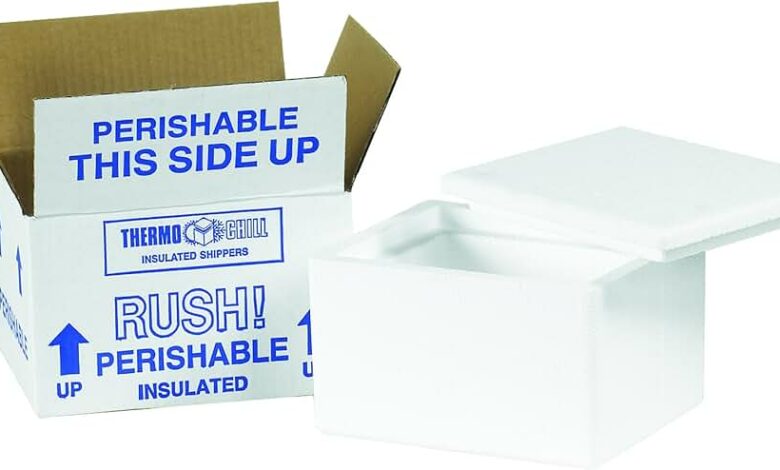
Shipping perishable food isn’t just about getting items from point A to B; it’s about preserving freshness, ensuring safety, and delivering quality with confidence. Whether you’re in the meal kit industry, operate a gourmet seafood brand, or run a farm-to-door produce service, using the right perishable food shipping boxes is critical to maintaining the integrity of your products.
Why Perishable Food Shipping Boxes Matter
Perishable food items, including dairy, meat, seafood, baked goods, frozen treats, and fresh produce, require a controlled environment during transportation. Standard perishable food shipping boxes simply don’t provide the insulation, durability, or compliance required to maintain temperature-sensitive goods.
Using specially designed perishable food shipping boxes helps to:
-
Maintain internal temperatures for hours or even days
-
Reduce spoilage and waste
-
Comply with FDA and USDA food safety standards
-
Build customer trust with reliable deliveries
Key Features of High-Quality Perishable Food Shipping Boxes
To ensure optimal performance, perishable food shipping boxes must include these essential components:
1. Insulated Liners
These liners are the first line of defense against temperature changes. Made from materials like thermal foam, reflective bubble wrap, or recyclable fiber panels, they keep contents cool or frozen by minimizing thermal exchange.
2. Rigid Outer Corrugated Boxes
The external box needs to be strong enough to endure rough handling and long transit durations. Double-walled corrugated cardboard is a popular choice due to its strength, recyclability, and low weight.
3. Coolants (Gel Packs or Dry Ice)
Depending on the shipping time and contents, boxes may include:
-
Gel Ice Packs – Ideal for keeping items cool (not frozen)
-
Dry Ice – Suitable for frozen products but requires special handling and labeling
4. Leak-Resistant Barriers
Perishable boxes must contain leak-proof materials or additional internal bags to prevent messes from melted ice or condensation.
5. Custom Branding and Labeling
Smart packaging incorporates brand identity while also ensuring clear handling instructions such as “Perishable,” “Keep Refrigerated,” or “This Side Up.”
Types of Perishable Food Shipping Boxes
1. Insulated Shipping Kits
Complete packaging systems that include a corrugated box, pre-cut insulation liners, and space for coolants. These are perfect for:
-
Meat and seafood
-
Dairy and cheese
-
Baked goods and desserts
2. EPS Foam Coolers with Outer Boxes
Expanded Polystyrene (EPS) foam offers excellent insulation for longer shipments. These boxes are popular for pharmaceuticals and frozen foods and come with outer corrugated sleeves for added protection.
3. Eco-Friendly Perishable Packaging
For environmentally conscious brands, green insulation options include:
-
Cotton-based liners
-
Starch-derived foam inserts
-
Recyclable or biodegradable kraft insulation wraps
These solutions offer excellent thermal protection without contributing to plastic waste.
Choosing the Right Perishable Food Box for Your Product
Shipping Duration
-
Same-Day or Overnight: Gel packs and light insulation may be sufficient
-
2–3 Days: Requires better insulation and more coolants
-
Frozen Products for Extended Shipping: Dry ice with high-grade EPS foam coolers
Product Type
-
Dairy and Cheese: Stable with gel packs, but temperature consistency is key
-
Seafood and Meats: Often shipped frozen with dry ice
-
Fresh Produce: Needs breathable insulation and moisture control
-
Baked Goods: Moderate insulation and protection from crushing
Compliance & Safety
Make sure your packaging complies with FDA regulations for food transport. If using dry ice, the box must be properly labeled and follow IATA and DOT regulations.
Benefits of Using Custom Perishable Food Shipping Boxes
1. Extended Shelf Life
Products arrive fresh and safe, increasing customer satisfaction and reducing returns or complaints.
2. Professional Brand Presentation
Custom boxes with printed logos, inserts, and instructions add a professional touch and help build customer loyalty.
3. Reduced Shipping Costs
Properly insulated boxes prevent overuse of coolant and lower dimensional weight charges through right-size packaging.
4. Sustainability
Many packaging providers now offer fully recyclable, compostable, or reusable insulation kits to align with modern environmental goals. more
Top Industries That Rely on Perishable Food Packaging
-
Meal Subscription Services
-
Online Seafood Retailers
-
Organic Produce Farms
-
Bakeries and Pastry Shops
-
Specialty Cheese and Charcuterie Brands
-
Pet Food Companies
-
Frozen Dessert Brands
Best Practices for Shipping Perishable Foods
1. Pre-Chill Your Products
Keep items refrigerated or frozen before packing to minimize the amount of coolants needed.
2. Use the Right Coolant Ratio
Balance coolant volume with the insulation power and ambient temperatures of transit zones.
3. Pack Tightly, But Not Too Tight
Limit air gaps while avoiding product crushing. Use fillers where necessary to stabilize items.
4. Include Clear Labels
Use stickers such as “Perishable – Keep Refrigerated”, “This Side Up”, and “Contains Dry Ice” to inform handlers and couriers.
5. Choose Expedited Shipping Options
Speed is crucial. Always opt for overnight or two-day delivery for highly sensitive perishables.
Where to Source Premium Perishable Food Shipping Boxes
Look for packaging suppliers with:
-
Experience in food-grade packaging
-
Custom printing and branding capabilities
-
Temperature testing and validation services
-
Sustainable material options
-
Regulatory compliance knowledge
Many top-tier companies offer full kitting services, drop shipping, and design support to streamline your fulfillment process.
Final Thoughts
In today’s eCommerce-driven food industry, the need for durable, insulated, and compliant perishable food shipping boxes has never been greater. By choosing the right packaging solution from custom product packaging, you ensure your products stay fresh, safe, and appealing from your facility to your customer’s doorstep.
Whether you’re scaling your meal kit business or entering the online fresh food market, investing in high-performance perishable food shipping boxes will protect your brand, reduce spoilage, and drive repeat business.



