Metrics to Measure Black Box Testing Effectiveness

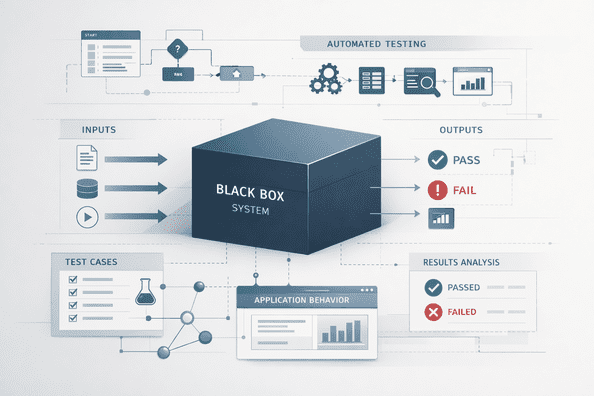
Measuring the effectiveness of black box testing is essential to ensure that QA efforts are uncovering defects, maintaining software quality, and optimizing testing processes. Since black box testing evaluates software functionality from the user’s perspective without examining the internal code, having clear metrics helps teams quantify performance, identify gaps, and continuously improve testing strategies.
1. Defect Detection Rate
The defect detection rate measures the number of defects identified during black box testing relative to the total defects discovered across all testing phases. A higher detection rate indicates that the test cases are effectively targeting critical areas of the application.
Tracking this metric helps QA teams understand which features or workflows are prone to defects and where test coverage may need improvement.
2. Test Coverage
Test coverage evaluates the percentage of application features, workflows, or input scenarios that are tested. Comprehensive coverage ensures that black box testing validates all critical functionalities, reducing the risk of undetected defects.
Metrics for test coverage can include the number of functional requirements tested, user scenarios executed, or business rules validated. Tools like Keploy can assist in monitoring coverage for APIs and functional workflows.
3. Test Execution Efficiency
Test execution efficiency measures how quickly and effectively test cases are executed. This includes the time taken to complete a test suite and the number of test cases executed per cycle.
Efficient execution is especially important in continuous integration environments, where frequent code changes require rapid validation. Optimizing test scripts and leveraging test automation improves this metric significantly.
4. Defect Leakage
Defect leakage refers to defects that escape black box testing and are discovered later in production. Measuring defect leakage provides insight into the effectiveness of test scenarios and helps QA teams identify gaps in coverage.
Lower defect leakage indicates that the test suite is robust and that critical workflows are being adequately validated.
5. Test Case Effectiveness
Not all test cases contribute equally to finding defects. Test case effectiveness evaluates which test cases identify defects versus those that do not.
This metric allows QA teams to refine their test suite by removing redundant tests and focusing on high-value scenarios, improving overall efficiency without sacrificing coverage.
6. Requirements Validation Rate
This metric measures how many functional requirements have been successfully validated through black box testing. Ensuring that all requirements are tested confirms that the software behaves according to the business objectives and user expectations.
Monitoring this rate helps QA teams maintain alignment with project goals and prevents untested features from slipping through.
7. Automation Coverage
When integrating black box testing with automated regression testing, measuring automation coverage becomes critical. This includes the percentage of test cases automated, the frequency of automated test execution, and the success rate of automated tests.
Automation not only speeds up testing but also provides consistent metrics for evaluating effectiveness across multiple releases.
8. Defect Reopen Rate
Defect reopen rate tracks the number of defects identified during black box testing that were marked as resolved but later reappear. A high reopen rate may indicate inadequate test scenarios or incomplete validation.
Monitoring this metric ensures that the testing process is catching issues thoroughly the first time.
Conclusion
Measuring the effectiveness of black box testing is crucial for maintaining software quality, optimizing testing processes, and ensuring reliable user experiences. Key metrics include defect detection rate, test coverage, test execution efficiency, defect leakage, test case effectiveness, requirements validation rate, automation coverage, and defect reopen rate.
By tracking these metrics and leveraging regression testing tools like Keploy, QA teams can continuously refine their black box testing strategies, improve test quality, and deliver more stable, high-performing software.


