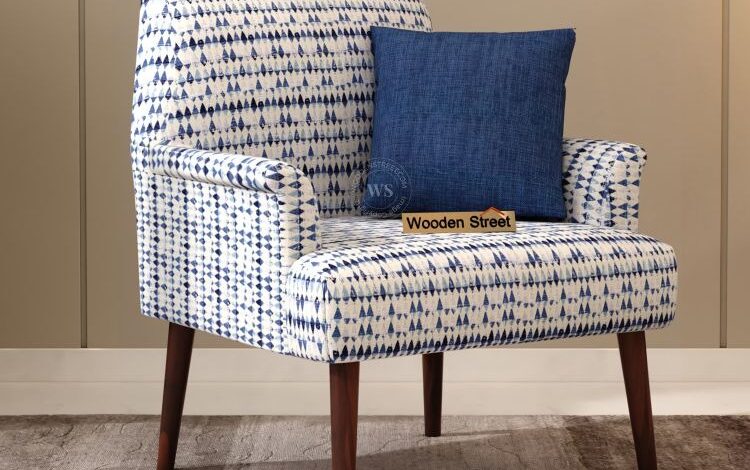
Choosing the right lounge chair is not just about style—it’s about comfort, durability, and functionality. One of the most important factors influencing these qualities is the material. Leather, fabric, and wood each offer unique benefits and drawbacks, affecting the aesthetics, comfort, and longevity of a lounge chair. Understanding the differences can help you select the perfect piece for your home, whether it’s a living room accent, bedroom retreat, or poolside relaxation zone.
Leather Lounge Chairs
Leather lounge chairs are synonymous with luxury and sophistication. They are often the centerpiece in modern, contemporary, or office interiors.
Advantages:
-
Durability: High-quality leather resists wear and tear, lasting years without losing its shape.
-
Easy to Clean: Spills can often be wiped off easily, making them practical for homes with children or pets.
-
Elegant Appearance: Leather exudes a premium look, adding sophistication to any room.
-
Comfort Over Time: Leather softens with use, molding slightly to your body for enhanced comfort.
Considerations:
-
Cost: Genuine leather lounge chairs are usually more expensive than fabric or wooden options.
-
Temperature Sensitivity: Leather can feel cold in winter and warm in summer unless climate-controlled.
-
Maintenance: Periodic conditioning is required to prevent cracking.
Best For: Modern living rooms, executive home offices, or anyone seeking a long-lasting, stylish lounge chair.
Fabric Lounge Chairs
Fabric lounge chairs are versatile and available in a wide variety of colors, patterns, and textures. They are ideal for creating cozy, inviting interiors.
Advantages:
-
Variety: Fabrics range from cotton, linen, velvet, and synthetic blends, offering endless design possibilities.
-
Comfort: Soft and breathable materials make fabric lounge chairs perfect for extended sitting.
-
Cost-Effective: Usually more affordable than leather chairs while still offering style and comfort.
-
Temperature Neutral: Fabric chairs remain comfortable in all seasons.
Considerations:
-
Maintenance: Fabric is more prone to stains, dust, and pet hair. Some fabrics require professional cleaning.
-
Durability: Cheaper fabrics can wear out faster compared to leather or solid wood.
-
Appearance Over Time: Frequent use may flatten cushions or fade colors.
Best For: Casual living rooms, reading nooks, bedrooms, and families seeking colorful, comfortable lounge chairs.
Wooden Lounge Chairs
Wooden lounge chairs are timeless, offering a classic appeal and structural durability. They often combine a wooden frame with cushioned seating to balance comfort and sturdiness.
Advantages:
-
Durability: Solid wood like Sheesham, Mango, or Teak lasts decades with proper care.
-
Natural Beauty: Wood grains and finishes add warmth and elegance to interiors.
-
Customizable: Can be paired with different cushions, upholstery, or fabric to match decor.
-
Eco-Friendly: Many wooden lounge chairs use sustainably sourced timber.
Considerations:
-
Comfort: Pure wooden chairs without cushions are less comfortable for long sitting sessions.
-
Weight: Wooden lounge chairs can be heavy and less mobile than fabric or leather options.
-
Maintenance: Wood requires polishing or varnishing over time to maintain shine and prevent scratches.
Best For: Living rooms, patios (with weatherproof wood), and homes seeking a natural, sustainable aesthetic in their lounge chairs.
Comparing Comfort and Support
| Material | Comfort | Support | Longevity | Maintenance | Style Appeal |
|---|---|---|---|---|---|
| Leather | Softens over time, medium-firm support | Excellent back support | High | Requires conditioning | High-end, modern |
| Fabric | Plush and breathable | Medium | Medium-high (depends on fabric quality) | Stain management needed | Cozy, casual, versatile |
| Wood | Firm without cushions; excellent with padding | Excellent | Very high | Polishing & care needed | Classic, timeless, natural |
The choice ultimately depends on whether you prioritize comfort, style, or durability. Some homeowners even combine these materials—e.g., wooden frames with fabric cushions or leather seating—to get the best of both worlds.
Tips for Choosing the Right Lounge Chair Material
-
Evaluate Usage: For high-traffic living rooms, leather or durable fabric may be better. For occasional use in bedrooms, fabric or wooden lounge chairs are perfect.
-
Consider Climate: Leather may need climate control; wooden chairs can feel cooler in winter unless paired with cushions.
-
Match Your Interior Style: Fabric lounge chairs suit casual or eclectic rooms, leather complements modern/minimalist interiors, and wood fits classic or rustic themes.
-
Think Long-Term: Invest in high-quality materials for longevity—good leather or solid wood lasts decades, while lower-grade fabrics may wear faster.
Maintenance Tips by Material
-
Leather: Wipe with damp cloth; use leather conditioner every 6–12 months.
-
Fabric: Vacuum regularly; spot clean spills; consider removable cushion covers.
-
Wood: Dust regularly; polish or apply wood cleaner to maintain luster; protect from moisture.
Proper care ensures your lounge chair remains comfortable, stylish, and functional for years.
Conclusion
The material of a lounge chair determines not just how it looks but how it feels, performs, and lasts. Leather offers luxury and durability, fabric provides comfort and design versatility, and wooden chairs give timeless beauty and structural strength. By understanding the benefits and considerations of each material, you can select the perfect lounge chair that suits your lifestyle, space, and aesthetic preferences.
Whether you choose a plush fabric lounge chair for a reading nook, a leather recliner for your living room, or a solid wooden lounge chair for timeless elegance, the right material ensures long-lasting comfort and style. Investing thoughtfully in your lounge chair enhances your home’s interior and creates a personal sanctuary of relaxation.


