Lumpwood Charcoal Buying Guide: What You Need to Know

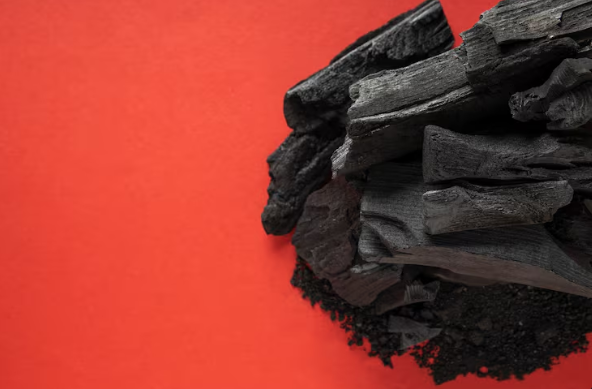
Lumpwood charcoal is a top choice for grilling enthusiasts, professional chefs, and outdoor cooking lovers who want authentic flavor and high heat performance. Whether you’re planning a weekend barbecue or running a food business, choosing the right lumpwood charcoal can make a significant difference in your cooking results.
In this complete buying guide, you’ll learn everything you need to know about lumpwood charcoal—from what it is, how it’s made, its benefits, and the key factors to consider before buying.
What Is Lumpwood Charcoal?
Lumpwood charcoal is a natural fuel made by burning hardwood in a low-oxygen environment. This process removes moisture and volatile compounds, leaving behind pure carbon-rich chunks of wood.
Unlike briquettes, lumpwood charcoal contains no additives, fillers, or chemicals. It is typically irregular in shape and size, which contributes to its natural burning characteristics.
Why Choose Lumpwood Charcoal?
Before buying lumpwood charcoal, it’s important to understand why it’s preferred over other types of charcoal.
1. Natural and Chemical-Free
Lumpwood charcoal is made from real wood, making it a healthier and cleaner option for cooking. There are no binding agents or synthetic materials involved.
2. High Heat Output
It burns hotter than charcoal briquettes, making it ideal for searing meat, grilling steaks, and achieving restaurant-quality results.
3. Faster Ignition
Lumpwood charcoal lights quickly, saving time and effort during cooking preparation.
4. Less Ash Production
It produces significantly less ash compared to briquettes, making cleanup easier and improving airflow in grills.
5. Enhanced Flavor
Because it is made from hardwood, lumpwood charcoal adds a natural smoky flavor to food, enhancing the overall taste.
Types of Lumpwood Charcoal
Understanding the different types of lumpwood charcoal can help you choose the best one for your needs.
1. Hardwood Lump Charcoal
This is the most common type and is made from dense woods like oak, hickory, or maple. It burns longer and hotter, making it ideal for grilling and smoking.
2. Softwood Lump Charcoal
Made from softer woods like pine, this type burns faster and at lower temperatures. It is generally less preferred for cooking.
3. Restaurant-Grade Charcoal
This is premium-quality lumpwood charcoal with larger, denser pieces. It burns longer and is commonly used in commercial kitchens.
Key Factors to Consider When Buying Lumpwood Charcoal
Choosing the right lumpwood charcoal requires careful consideration. Here are the most important factors to keep in mind:
1. Wood Type
The type of wood used affects burn time, heat level, and flavor.
-
Oak and hickory: Long burn time and strong heat
-
Fruitwoods (apple, cherry): Mild, sweet flavor
-
Maple: Balanced heat and subtle aroma
2. Piece Size
Look for charcoal with consistent, medium-to-large chunks.
-
Larger pieces burn longer
-
Smaller pieces ignite faster but burn quickly
-
Avoid bags with too much dust or tiny fragments
3. Moisture Content
Good-quality lumpwood charcoal should be dry. Moist charcoal is harder to light and produces excess smoke.
4. Carbon Content
Higher carbon content means better heat efficiency and cleaner burning. Premium brands usually offer higher carbon levels.
5. Packaging Quality
Check for sturdy packaging that protects the charcoal from moisture and breakage during transport.
6. Origin and Sustainability
Choose charcoal sourced from responsibly managed forests. Sustainable production ensures environmental protection and better product quality.
How to Identify High-Quality Lumpwood Charcoal
Not all lumpwood charcoal is created equal. Here’s how you can identify high-quality products:
-
Uniform black color without excessive dust
-
Minimal sparks when burning
-
Clean smoke with no chemical smell
-
Solid, heavy pieces rather than crumbly chunks
-
Low ash residue after burning
Common Mistakes to Avoid
When buying lumpwood charcoal, avoid these common mistakes:
1. Choosing Based on Price Alone
Cheap charcoal often contains low-quality wood, excessive dust, and inconsistent sizes.
2. Ignoring Bag Contents
Always check for too many small pieces or debris in the bag.
3. Buying Damp Charcoal
Moisture reduces performance and makes ignition difficult.
4. Not Matching Charcoal to Cooking Style
Different cooking methods require different types of charcoal. For example:
-
Grilling: High-heat hardwood charcoal
-
Smoking: Long-burning, dense charcoal
Lumpwood Charcoal vs Briquettes
Understanding the difference between lumpwood charcoal and briquettes can help you make a better choice.
| Feature | Lumpwood Charcoal | Briquettes |
|---|---|---|
| Composition | Natural wood | Processed with additives |
| Burn Temperature | High | Moderate |
| Ignition Time | Fast | Slower |
| Ash Production | Low | High |
| Flavor | Natural smoky | Neutral |
Lumpwood charcoal is ideal for those who prioritize flavor and performance, while briquettes are better for consistent, long-duration cooking.
Best Uses for Lumpwood Charcoal
Lumpwood charcoal is versatile and can be used for various cooking methods:
1. Grilling
Perfect for burgers, steaks, and vegetables due to its high heat.
2. Smoking
Provides a rich smoky flavor when combined with wood chips.
3. BBQ Cooking
Ideal for traditional barbecue setups.
4. Tandoor Cooking
Commonly used in South Asian cooking for naan, kebabs, and tikka.
Storage Tips for Lumpwood Charcoal
Proper storage is essential to maintain the quality of your charcoal.
-
Keep it in a dry, cool place
-
Use airtight containers to prevent moisture absorption
-
Avoid storing directly on the ground
-
Seal opened bags tightly
How Much Lumpwood Charcoal Should You Buy?
The amount depends on your usage:
-
Occasional grilling: Small bags (2–5 kg)
-
Frequent BBQs: Medium bags (10–15 kg)
-
Commercial use: Bulk purchases (20+ kg)
Buying in bulk can be cost-effective, but only if you have proper storage conditions.
Safety Tips When Using Lumpwood Charcoal
While lumpwood charcoal is safe when used properly, always follow these precautions:
-
Use in well-ventilated areas
-
Never burn indoors without proper ventilation
-
Keep away from flammable materials
-
Allow charcoal to cool completely before disposal
-
Use fire-resistant gloves when handling
Environmental Impact of Lumpwood Charcoal
Lumpwood charcoal is more eco-friendly than briquettes when sourced responsibly. However, unsustainable production can lead to deforestation.
To minimize environmental impact:
-
Choose charcoal from certified sustainable sources
-
Avoid illegally produced charcoal
-
Support brands that practice responsible forestry
Tips for Getting the Best Results
To maximize the performance of your lumpwood charcoal:
-
Use a chimney starter for even ignition
-
Arrange charcoal for proper airflow
-
Control heat by adjusting vents
-
Avoid using lighter fluid (it affects flavor)
-
Preheat charcoal before cooking
Conclusion
Lumpwood charcoal is an excellent choice for anyone who values natural flavor, high heat, and efficient grilling performance. By understanding what lumpwood charcoal is, how it works, and what to look for when buying, you can make an informed decision that enhances your cooking experience.
When selecting lumpwood charcoal, focus on quality, wood type, and consistency rather than just price. Always store it properly and use it safely to get the best results.
Whether you’re a home cook or a professional, investing in high-quality lumpwood charcoal can elevate your grilling and barbecue game to the next level.