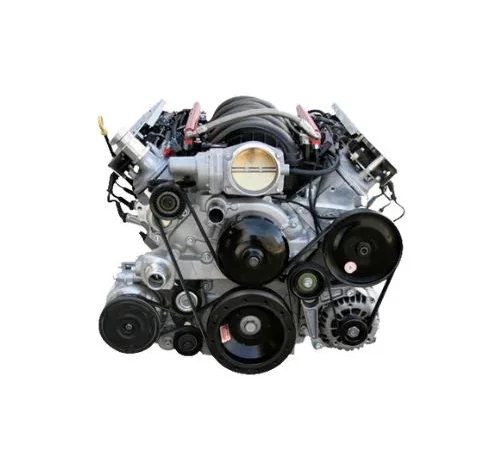
The LS2 engine , part of General Motors’ legendary LS family, has earned a reputation for power, reliability, and performance. Introduced in 2005 as part of the Corvette C6 and later used in vehicles like the Pontiac GTO, Chevrolet SSR, and Trailblazer SS, the 6.0-liter LS2 is known for its strong aluminum block, impressive torque, and high-performance potential. Despite its durability, like any high-output engine, it can experience issues over time. Understanding the most common LS2 engine problems and how to fix them will help owners maintain peak performance and longevity.
This article explores the most frequently reported LS2 engine problems, what causes them, and the best ways to fix or prevent them—all while highlighting why the LS2 remains one of GM’s most beloved powerplants.
1. Oil Consumption and Oil Leaks
Symptoms:
- Low oil levels between changes
- Blue smoke from the exhaust
- Oil residue on valve covers, pan, or rear of the engine
Causes:
Oil consumption in LS2 engines often results from worn valve seals, PCV (Positive Crankcase Ventilation) issues, or gaskets that have degraded over time. Since the LS2 is a performance-oriented engine, it’s not unusual for aggressive driving or high RPMs to accelerate oil usage.
Fix:
- Replace the valve cover gaskets and rear main seal if leaking.
- Inspect and clean or replace the PCV valve to ensure proper crankcase ventilation.
- Use high-quality synthetic oil with the correct viscosity recommended by GM.
Prevention Tip: Regular oil checks every 1,000 miles can prevent severe damage caused by running low on oil—a simple habit that saves thousands in potential repairs.
2. Lifter Tick or Noisy Valvetrain
Symptoms:
- Ticking or tapping noise from the top of the engine
- Rough idle
- Poor performance or misfire under load
Causes:
The LS2 engine uses hydraulic roller lifters, which can become noisy when oil pressure drops or when debris causes them to stick. Sometimes, improper maintenance intervals or extended idling leads to varnish buildup that affects the lifters’ operation.
Fix:
- Perform an oil change with high-quality oil and a premium filter to improve lubrication.
- Use a quality engine flush to remove varnish and sludge.
- If the noise persists, inspect and replace the affected lifters and pushrods.
Prevention Tip: Avoid long idling and use engine oil formulated for high-performance engines to maintain lifter cleanliness.
3. Knock Sensor Failure
Symptoms:
- Check engine light (CEL) on dashboard
- Pinging or detonation noises
- Reduced fuel economy and performance
Causes:
Knock sensors on LS2 engines are located beneath the intake manifold, which makes them susceptible to moisture buildup and corrosion. Over time, this can cause sensor malfunction or wiring issues, resulting in inaccurate readings.
Fix:
- Remove the intake manifold to access the sensors.
- Replace both knock sensors and inspect wiring for corrosion.
- Apply dielectric grease to the new connectors to protect them from moisture.
Prevention Tip: During intake gasket replacements or modifications, always ensure proper sealing to prevent future water intrusion.
4. Oil Pressure Sensor Failure
Symptoms:
- Erratic oil pressure readings
- Check engine light
- Low or fluctuating gauge readings
Causes:
A failing oil pressure sensor or a clogged oil pressure relief valve can cause inaccurate readings. In some cases, it may trigger a false low oil pressure warning, causing unnecessary concern.
Fix:
- Replace the oil pressure sending unit, which is located at the back of the engine block near the intake.
- Clean the oil passages and ensure the filter isn’t restricting oil flow.
- If pressure truly is low, inspect the oil pump and bearings for wear.
Prevention Tip: Change oil and filters regularly, and avoid using thick or low-quality oils that may strain the pump.
5. Overheating Issues
Symptoms:
- Rising temperature gauge
- Coolant loss
- Steam or coolant smell from under the hood
Causes:
Overheating can result from a stuck thermostat, failing water pump, air pockets in the cooling system, or a clogged radiator. Performance modifications without proper cooling upgrades can also push the LS2 beyond its safe limits.
Fix:
- Replace the thermostat and inspect the water pump for leaks or bearing noise.
- Flush the cooling system and refill with the correct 50/50 coolant mix.
- Bleed the system to remove air pockets that can cause uneven cooling.
Prevention Tip: Upgrade to a high-flow radiator or electric fans if you drive aggressively or use the engine for racing applications.
6. Throttle Body and Idle Issues
Symptoms:
- Unstable idle or stalling
- Throttle hesitation
- Check engine light for throttle position sensor (TPS)
Causes:
Carbon buildup around the throttle plate or a failing TPS can disrupt airflow and cause idle instability. Electronic throttle control systems on LS2 engines are sensitive to dirt and poor electrical connections.
Fix:
- Clean the throttle body using throttle cleaner and a soft cloth—avoid damaging sensors.
- Reset the throttle position sensor or replace it if faulty.
- Ensure wiring harnesses are properly connected and free from corrosion.
Prevention Tip: Regular throttle body cleaning every 20,000–30,000 miles ensures smoother idle and better throttle response.
7. Fuel Injector or Fuel System Problems
Symptoms:
- Engine misfires or hesitation
- Poor fuel economy
- Rough idling
Causes:
Deposits on fuel injectors or low fuel pressure can cause inconsistent fuel delivery. Ethanol-blended fuels can also lead to corrosion or clogging over time.
Fix:
- Use a high-quality fuel system cleaner to remove deposits.
- Replace fuel filters regularly to maintain flow and pressure.
- Test fuel injectors and replace any that show uneven spray patterns.
Prevention Tip: Use top-tier fuel and add a cleaner additive periodically to keep the injectors performing efficiently.
8. Camshaft and Timing Chain Wear
Symptoms:
- Rattling noise on startup
- Reduced engine power
- Metal shavings in oil
Causes:
Over time, the LS2’s timing chain can stretch or the camshaft bearings can wear, especially in high-mileage or heavily modified engines.
Fix:
- Inspect the timing chain for slack and replace it if stretched.
- Replace the camshaft and lifters as a set to maintain proper wear balance.
- Upgrade to a stronger aftermarket timing set if using performance cams.
Prevention Tip: Maintain proper oil pressure and lubrication to minimize metal wear and ensure smooth valve timing.
Conclusion: Why the LS2 Remains a Favorite
Despite these issues, the LS2 engine continues to be a favorite among enthusiasts and mechanics alike. Its strong aluminum construction, simplicity, and adaptability make it a dream platform for tuning, restoration, and performance builds. Most LS2 problems stem from age, maintenance neglect, or minor component wear—issues that can be easily corrected with regular care.
When properly maintained, the LS2 can deliver over 200,000 miles of smooth, powerful performance. Whether you use it for a classic car swap, track project, or your daily driver, the LS2’s blend of reliability and raw power remains a benchmark in modern V8 engineering.



