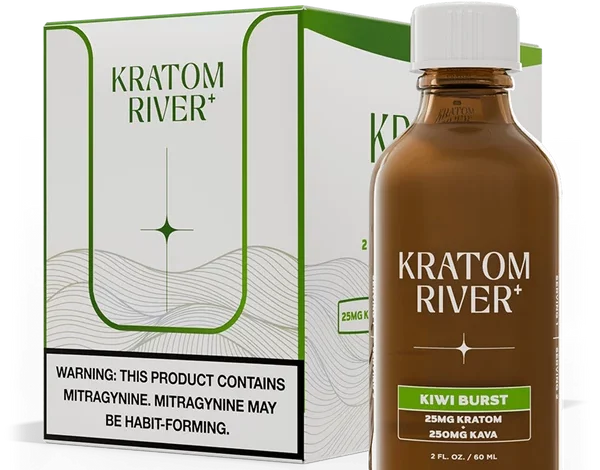
The Kratom liquid extract is derived from the leaves of the Mitragyna speciosa plant, which is an evergreen tree indigenous to Southeast Asia. This form of extract may contain alkaloids, including mitragynine and 7-hydroxymitragynine, which bind with the opioid receptors of the body. The effects that can be experienced include increased alertness and energy levels as well as sedation. There is still much to be scientifically known about its effects.
Another practical point to consider is the concentration that is stated in the description of the product. Extracts may vary dramatically in terms of concentration levels based on the methods used for processing plant materials and the volume of concentrated material used. The label of the product should clearly indicate what the ingredients of the substance are and whether there is any information on cannabinoid or alkaloid content in the substance.
It is important to check the ingredient list before starting to use the liquid Kratom extract. It might contain not only Kratom leaves but also some additional botanical ingredients, stimulants, sweeteners, etc. Recent actions taken by the FDA prove the importance of checking the labeling and paying attention to the current safety notices about such products.
The safety aspect becomes especially relevant when dealing with concentrated products. Adverse reactions reported by people using Kratom include nausea, constipation, dizziness, drowsiness, increased blood pressure, seizures, and liver toxicity. Habitual consumption can cause dependence and withdrawal symptoms. This makes it clear that even if a product originates from plants, it does not mean that it is safe for routine consumption.
A further concern has to do with products with enhanced or added 7-hydroxymitragynine, or simply 7-OH. The FDA has alerted consumers about concentrated 7-OH products, stating that such products have not been proven to be safe or effective for therapeutic use. Consumers need to differentiate Kratom products labeled as regular products from those that contain concentrated 7-OH.
Medication interactions must also be considered. Kratom may have potential interactions with prescription drugs and over-the-counter medicines, but scientific information regarding these interactions is not yet fully known. Individuals who take medications need to consult with health practitioners regarding the consumption of Kratom, especially when their treatment includes medications wherein dosage variations are critical.
However, storage and handling cannot be ignored either. Storing Kratom extract in its original container away from children is one step that could reduce the possibility of ingesting the product by mistake. Also, checking for any recalls and other information about the quality and safety of the product before purchasing will go a long way in making sure you are not buying problematic Kratom.
By knowing what’s in the Kratom liquid extract and its contents, concentration, testing details, regulation, and interaction potential, one will be better able to assess the product. There is currently no evidence that supports the use of Kratom as an FDA-approved medication for any disease.
Tim Miller the author of this article. To know more about CBG vs CBD please visit our website: www.cannariver.com


