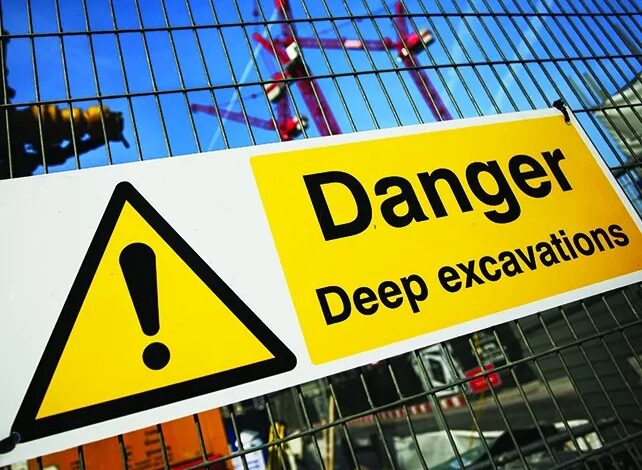
Construction sites are among the most complex and hazardous working environments in any urban setting, and the management of safety information, site access, and operational communication within them demands a level of rigour and clarity that few other environments require. Construction site signs are not a peripheral consideration in site management — they are a fundamental safety infrastructure that communicates critical information to workers, visitors, contractors, and the public in a way that directly influences whether the site operates safely, efficiently, and in compliance with the legal requirements that govern construction activities. In London, where building projects frequently operate in densely populated urban environments with extensive public interfaces, the quality and comprehensiveness of site signage has an importance that extends beyond the site boundary itself.
Legal and Regulatory Requirements for Site Signage
The regulatory framework governing construction site signage in the United Kingdom is comprehensive and carries significant legal weight. The Health and Safety (Safety Signs and Signals) Regulations 1996 establish the requirements for safety signs in workplaces including construction sites, specifying the categories of sign that must be used, the standardised symbols and colour coding that apply to each category, and the locations in which signs must be posted to fulfil the duty of care that site operators owe to all persons on or adjacent to the site.
Construction site signs required under this framework include prohibition signs indicating activities that are not permitted within the site or specific zones, warning signs alerting personnel to specific hazards including overhead loads, moving plant, and electrical risks, mandatory signs specifying the personal protective equipment required in each area of the site, and emergency signs identifying fire assembly points, first aid stations, and emergency evacuation routes. Compliance with these requirements is not optional — the absence of required safety signage exposes the principal contractor and site operator to significant legal liability in the event of an incident.
Comparing Sign Types for Construction Site Use
Understanding the range of construction site signs available and the applications each is best suited to helps site managers specify the most appropriate solution for each signage requirement across the full scope of a construction project.
| Sign Type | Material | Typical Use | Durability |
| Rigid Correx Board | Corrugated plastic | Temporary notices and directional signs | Short to medium term |
| Aluminium Composite | ACM panel | Site identification and hoarding panels | Long-term outdoor use |
| Foam PVC Board | PVC foam | Indoor site office notices | Indoor use only |
| Vinyl Banners | PVC mesh or solid | Perimeter banners and hoardings | Medium-term outdoor |
| Reflective Signs | Aluminium with reflective vinyl | Traffic management and night visibility | Long-term, high visibility |
| Scaffold Banners | Woven mesh vinyl | Large-format scaffold wrapping | Wind-resistant, medium-term |
For most construction projects, a combination of sign types will be required across different areas and applications, with more durable and weather-resistant materials specified for long-term perimeter and access point signage and lighter, more cost-effective options used for the frequently changing operational notices within the site.

Key Categories of Construction Site Signage
Effective site signage encompasses several distinct categories of communication that together create the comprehensive information environment needed to manage a safe and well-organised construction operation:
- Site identification and hoarding signage that communicates the developer, principal contractor, and project identity to the public, along with planning reference information and contact details for site management that are legally required to be displayed on the site boundary
- Construction site signs for access control including entrance identification, visitor check-in points, delivery vehicle routing, and the mandatory personal protective equipment requirements that apply to all persons entering the site
- Traffic management signage coordinating the movement of construction vehicles, delivery lorries, and plant equipment both within the site and at the site entrance where construction traffic interfaces with the public highway
- Hazard warning signs posted at the specific locations where identified risks exist — overhead lift zones, areas of excavation, locations where specific plant is operating, and zones where particular environmental hazards such as asbestos or contaminated ground are present
- External signage on the site perimeter that manages pedestrian and vehicular safety at the interface between the construction operation and the surrounding public environment, including pedestrian diversion routes, vehicle crossing warning signs, and site entrance traffic management
Hoarding Signage as a Public-Facing Brand Opportunity
Construction hoarding presents an opportunity that is frequently overlooked in the focus on purely functional site signage. The hoarding surrounding a significant London development project occupies a potentially prominent position within a busy urban environment for months or years, passing in front of a continuously renewed audience of local residents, workers, and visitors throughout the construction period. Construction site signs that incorporate the developer’s or principal contractor’s branding alongside the functional site identification information transform the hoarding from a purely operational requirement into a brand communication opportunity that maintains visibility and builds recognition throughout the project duration.
Large-format external signage on construction hoardings can also be used to communicate the nature and ambition of the development to the local community, reducing the negative perception of construction disruption by engaging the public with the vision for the completed project and the community benefits it will deliver. CGI visualisations of the completed development, timeline information, and community engagement messaging all contribute to a more positive public relationship with the construction project and the organisations responsible for delivering it.
Temporary and Changing Signage Requirements During Construction
Construction sites are dynamic environments in which the hazards, access routes, and operational areas change continuously as the project progresses through its different phases. An area that is a safe pedestrian route during one phase of construction may become a restricted zone during another, and the signage system must be updated promptly and accurately to reflect these changes as they occur. This dynamic quality of construction site signage requirements demands a signage supply relationship that is responsive and flexible — able to produce and deliver replacement or updated signs quickly when operational or safety changes require them.
Construction site signs produced on corrugated plastic or foam PVC substrates are well suited to this requirement, as they can be produced quickly, are lightweight and easy to relocate, and are cost-effective enough to be replaced frequently without significant budget impact. For more permanent site identification and perimeter signage, durable aluminium composite panels that will maintain their appearance throughout the full construction period represent a better long-term investment.
Managing Site Signage Throughout the Project
The management of construction site signs across a large or complex project benefits from a systematic approach that treats signage as a planned element of site management rather than a reactive response to identified gaps. A signage schedule developed at the project planning stage identifies all required signs by category, content, size, material, and location, providing a comprehensive specification from which the signage supplier can produce a costed programme and ensure that all required signs are available at the point in the project programme at which they are needed.
Conclusion
Effective construction site signs and well-planned external signage are fundamental to the safe, compliant, and professionally managed operation of construction projects of every scale in the London environment. Sign Company London provides comprehensive construction signage solutions for developers, principal contractors, and site managers across the capital, supplying the full range of safety, operational, and brand signage required to manage complex urban construction projects to the highest standards of safety, compliance, and public communication throughout every phase of the build programme.