HSA & FSA Coverage for Custom Dentures, Retainers, & Night Guards: What Qualifies as Eligible

Anyone shopping for affordable partial dentures usually finds out that dental insurance treats removable appliances inconsistently at best. What gets overlooked is that pre-tax accounts often cover the same purchases insurance will not touch. Dentures, retainers, and night guards all sit within the categories the IRS treats as qualified medical expenses, and using an HSA or FSA effectively discounts the purchase by your marginal tax rate. The eligibility rules are more settled than most people expect, though the paperwork is where claims get denied.
The Rule Underneath All of It
Eligibility comes from Section 213(d) of the tax code, which defines qualified medical expenses as costs connected to the diagnosis, cure, mitigation, treatment, or prevention of disease.
IRS Publication 502 sets out what that covers in practice, and dental care sits squarely inside it. Publication 502 specifically names artificial teeth as a qualified medical expense.
The dividing line throughout is medical purpose versus cosmetic purpose. An appliance replacing missing teeth or treating a diagnosed condition qualifies. Something purely cosmetic does not.
What Qualifies
Dentures & Partial Dentures
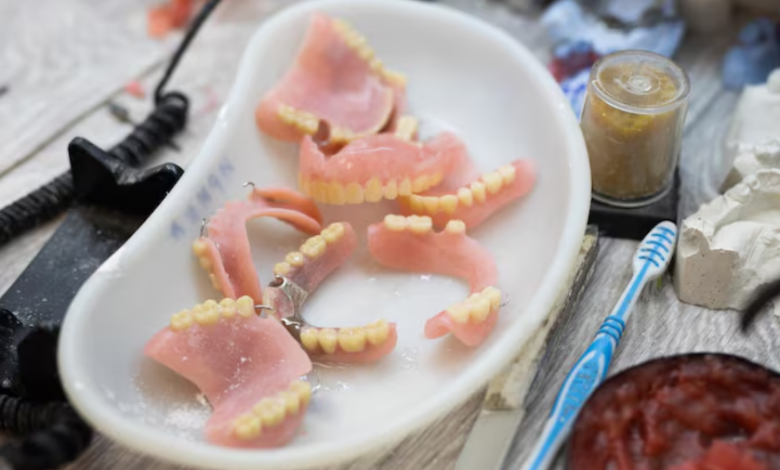
Replacing missing teeth is treatment for a medical condition, and artificial teeth are named directly in Publication 502. Full dentures, partial dentures, flexible partials, acrylic partials, and the adjustments and relines that go with them all sit inside the eligible category.
Night Guards for Bruxism
Occlusal guards used to treat teeth grinding or jaw joint symptoms qualify, because bruxism is a recognized condition and the guard prevents further damage.
The distinction that matters here is purpose. A night guard for bruxism is eligible. A sports mouthguard for contact sports is not, since protecting teeth during athletics is not treating a diagnosed condition.
Retainers & Orthodontic Appliances
Retainers, aligners, and other orthodontic devices generally fall within the eligible category as prescribed dental appliances.
Impression Kits & Related Costs
Where a kit is part of obtaining an eligible appliance, it usually falls under the same treatment. Administrators vary on standalone items, so this is worth confirming with yours rather than assuming.
Cleaning Products for Prescribed Appliances
Cleaners and maintenance products for prescribed appliances occupy a grey area that many administrators treat as eligible, particularly since the CARES Act broadened over-the-counter eligibility. Plans differ more here than anywhere else on this list.
What Does Not Qualify
Purely cosmetic dental work is excluded. Whitening is the standard example, and veneers placed for appearance rather than function usually fall the same way.
Sports mouthguards are excluded for the reason already given.
Dependent Care FSAs cannot be used for any of this, since those accounts cover childcare and eldercare rather than medical expenses. Only healthcare FSAs, HSAs, and HRAs apply.
You also cannot claim the same expense twice. An appliance paid for with HSA or FSA funds cannot then be claimed as an itemized medical deduction on your return.
Documentation That Gets Claims Approved
The Itemized Receipt
This is where most denials originate. A card statement showing an amount and a merchant name is not enough.
Your receipt needs the date, the provider name, the amount, and a description of the item that makes its medical purpose clear. A receipt reading occlusal guard for bruxism protection gets approved far more often than one reading dental product.
A Letter of Medical Necessity
Some administrators ask for one, particularly for night guards. It does not need to be elaborate. One or two sentences from a dentist confirming the diagnosis and recommending the appliance is generally sufficient.
Getting one before you submit saves a round of correspondence if your plan is among those that ask.
Keep Everything
HSA funds have a feature people underuse. There is no deadline for reimbursing yourself, so you can pay out of pocket now and reimburse from the account years later, provided you have kept the receipt.
FSAs work differently, with most balances needing to be used within the plan year or a short grace period.
Buying Direct & Getting Reimbursed
Direct-to-consumer labs sit slightly outside the usual insurance path, since they are not your treating dentist and most dental plans do not reimburse purchases made straight from a lab.
That makes pre-tax accounts the more reliable route for these purchases. Providers set up for it supply itemized receipts describing the appliance and its purpose. FixUrSmile, which produces partial dentures and night guards from home impressions, operates in this category, and asking any such provider for a properly itemized receipt before purchase is worth the two minutes it takes.
Some providers accept HSA and FSA cards at checkout directly. Others require you to pay and submit for reimbursement. Both work, though the second needs your paperwork in order.
If a Claim Gets Denied
Denials are frequently administrative rather than substantive.
If the reason given is that the receipt was not itemized, resubmit with a fuller description of the product and its medical purpose.
If a letter of medical necessity was required, obtain one and resubmit.
If the administrator classified the item as ineligible, appeal in writing and reference the category directly. Stating that the item is an occlusal guard used to treat bruxism, an eligible medical expense under IRS Publication 502, resolves a good share of these.
Worth Checking Before You Buy
Confirm with your plan administrator rather than relying on a general list, since employers can apply narrower rules than the IRS baseline allows.
Check the deadline on an FSA balance, because unused funds usually disappear at year end and a dental appliance is a sensible way to use a balance that would otherwise be lost.
Ask any provider what documentation they supply before ordering.
This is general information rather than tax advice, and anyone with a complicated situation should raise it with a tax professional or their benefits administrator. Rules also change, so it is worth confirming the current position for the year you are buying in.