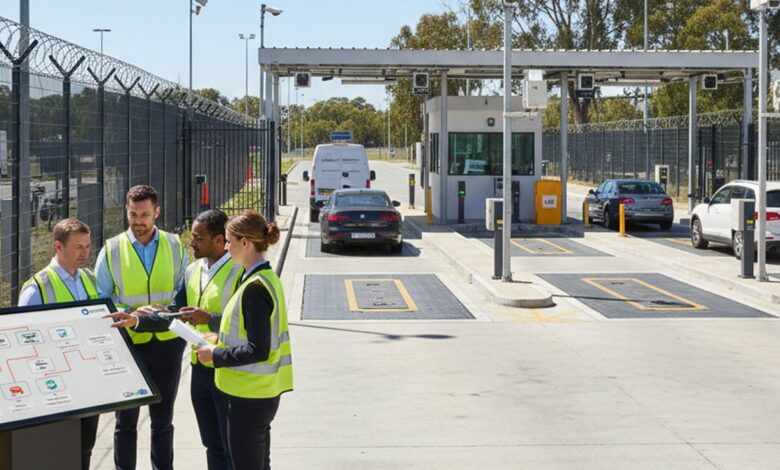
Securing facility entrances has become a top priority for organizations responsible for protecting critical assets, sensitive operations, and public safety. As security threats continue to evolve, traditional access control methods are often no longer sufficient to detect risks hidden within or beneath vehicles. Commport Technologies, a trusted supplier of advanced License Plate Recognition (LPR) systems, provides innovative vehicle screening solutions that help organizations strengthen perimeter security and prevent unauthorized access.
From critical infrastructure and government facilities to industrial plants, logistics centers, airports, ports, and commercial properties, vehicle inspection systems play a vital role in identifying threats before they reach sensitive areas. By combining advanced inspection technology with automated vehicle identification, organizations can improve security while maintaining efficient traffic flow.
Why Unauthorized Vehicle Access Is a Serious Security Risk
Vehicles are frequently used to transport personnel, equipment, deliveries, and materials into secure facilities. However, they can also be used to bypass traditional security measures if proper screening procedures are not in place.
Unauthorized vehicle access can result in:
- Security breaches
- Theft of valuable assets
- Disruption of operations
- Damage to critical infrastructure
- Unauthorized entry into restricted areas
- Increased safety risks for personnel
Many facilities struggle to balance strict security requirements with the need to process vehicles quickly. This challenge highlights the importance of adopting modern vehicle inspection technologies.
The Limitations of Conventional Vehicle Checks
Manual vehicle inspections have long been a standard security practice. While security personnel can visually inspect vehicles and verify credentials, these methods often have significant limitations.
Limited Visibility
Security teams may have difficulty examining all areas of a vehicle, particularly the undercarriage.
Human Error
Inspection quality can vary depending on staffing levels, experience, and workload.
Delays at Entry Points
Manual screening procedures can create long queues and operational bottlenecks.
Inconsistent Documentation
Traditional inspections often rely on handwritten records or incomplete reporting methods.
These challenges can create vulnerabilities that unauthorized individuals may attempt to exploit.
How Vehicle Inspection Systems Improve Access Control
Modern vehicle inspection systems are designed to automate and enhance the screening process. By using advanced imaging technologies and automated data collection, these systems provide a more thorough assessment of vehicles entering a facility.
Comprehensive Vehicle Screening
Inspection systems capture detailed information about vehicles before access is granted.
Faster Decision-Making
Security teams receive real-time inspection data, allowing them to respond quickly to potential threats.
Standardized Procedures
Automation ensures that every vehicle undergoes a consistent inspection process.
Enhanced Security Records
Digital records improve accountability and support future investigations when necessary.
These capabilities help organizations create a stronger first line of defense against unauthorized access.
The Critical Role of Under Vehicle Inspection
One of the most vulnerable areas of any vehicle is its underside. The undercarriage can be difficult to inspect manually, making it a potential location for concealed objects or unauthorized modifications.
Under vehicle inspection systems address this challenge by automatically capturing high-resolution images of the underside of vehicles as they enter a facility.
What Under Vehicle Inspection Can Detect
Security personnel can identify:
- Suspicious packages
- Hidden objects
- Unauthorized attachments
- Structural modifications
- Foreign materials
- Signs of tampering
This level of visibility significantly improves the ability to detect threats that may not be visible during routine inspections.
Solving the Challenge of Hidden Threats
Unauthorized access attempts are not always obvious. In many cases, suspicious vehicles may appear legitimate while concealing risks beneath or within the vehicle structure.
Improved Threat Detection
Advanced imaging technology provides a clear view of areas that would otherwise remain hidden.
Early Identification of Risks
Potential threats can be identified and investigated before vehicles enter sensitive locations.
Reduced Dependence on Manual Checks
Automation helps security teams focus on responding to alerts rather than conducting time-consuming inspections.
These advantages improve both security effectiveness and operational efficiency.
How LPR Technology Enhances Vehicle Inspection Systems
Vehicle inspection alone is not enough to prevent unauthorized access. Security teams must also verify vehicle identity and ensure that only authorized vehicles are permitted to enter.
License Plate Recognition technology provides this capability by automatically capturing and analyzing vehicle license plate information.
Instant Vehicle Identification
LPR systems identify vehicles as they approach access points, eliminating the need for manual verification.
Access Authorization
Captured plate data can be compared against approved vehicle databases and access control systems.
Real-Time Alerts
Security personnel receive immediate notifications when unauthorized or flagged vehicles are detected.
Accurate Vehicle Tracking
Every entry and exit event is recorded automatically, creating a complete audit trail.
These capabilities strengthen overall access control and improve security management.
How LPR and Vehicle Inspection Systems Work Together
The most effective security strategies integrate multiple technologies to provide comprehensive vehicle screening.
When LPR technology is combined with vehicle inspection systems, organizations gain both vehicle identification and physical inspection capabilities.
Step 1: Vehicle Recognition
The LPR system captures the vehicle’s license plate and verifies authorization status.
Step 2: Inspection Process
The vehicle passes through the inspection area, where detailed images are captured.
Step 3: Data Integration
Inspection images and vehicle identification data are linked within a centralized security platform.
Step 4: Security Evaluation
Security personnel review alerts and inspection results before approving access.
This integrated process creates a powerful barrier against unauthorized vehicle entry.
Protecting Critical Infrastructure and Government Facilities
Critical infrastructure facilities and government sites require some of the highest levels of security due to the importance of their operations.
Vehicle inspection systems help these organizations:
- Prevent unauthorized access
- Protect sensitive assets
- Support compliance requirements
- Improve perimeter security
- Strengthen incident response capabilities
By identifying risks before vehicles enter protected areas, these facilities can reduce security vulnerabilities significantly.
Supporting Industrial and Logistics Operations
Manufacturing facilities, warehouses, and distribution centers experience constant vehicle traffic throughout the day.
Efficient Vehicle Screening
Automated systems reduce congestion while maintaining thorough inspections.
Improved Site Security
Suspicious vehicles can be identified before reaching operational zones.
Better Operational Continuity
Reduced delays help maintain productivity and supply chain efficiency.
These benefits make vehicle inspection technology particularly valuable for industrial and logistics environments.
Enhancing Security at Airports, Ports, and Commercial Facilities
Airports and ports manage large volumes of vehicles, cargo carriers, contractors, and service providers. Commercial facilities also face growing security challenges as vehicle traffic increases.
Integrated vehicle screening solutions help:
- Improve access control
- Accelerate vehicle processing
- Detect suspicious activity
- Enhance perimeter protection
- Strengthen threat detection capabilities
These capabilities support both security and operational performance.
The Future of Vehicle Access Security
As security requirements continue to evolve, organizations are increasingly adopting intelligent screening technologies that provide greater automation and visibility.
A modern under vehicle surveillance system integrated with advanced LPR technology enables facilities to identify risks more effectively, improve vehicle screening accuracy, and prevent unauthorized access before security threats reach critical areas.
Organizations that invest in advanced vehicle inspection technologies are better positioned to address emerging security challenges while maintaining efficient operations.
Conclusion
Preventing unauthorized access requires more than traditional gate security and visual inspections. Modern threats demand a proactive approach that combines vehicle identification, advanced imaging, and automated threat detection.
By integrating License Plate Recognition technology with under vehicle inspection systems, organizations can create a comprehensive screening process that improves access control, strengthens security, and enhances operational efficiency. Whether protecting critical infrastructure, government facilities, industrial operations, logistics hubs, airports, ports, or commercial properties, vehicle inspection systems provide an essential layer of defense against unauthorized vehicle entry.


