How In-Home Medical Visits Support Patients with Limited Mobility

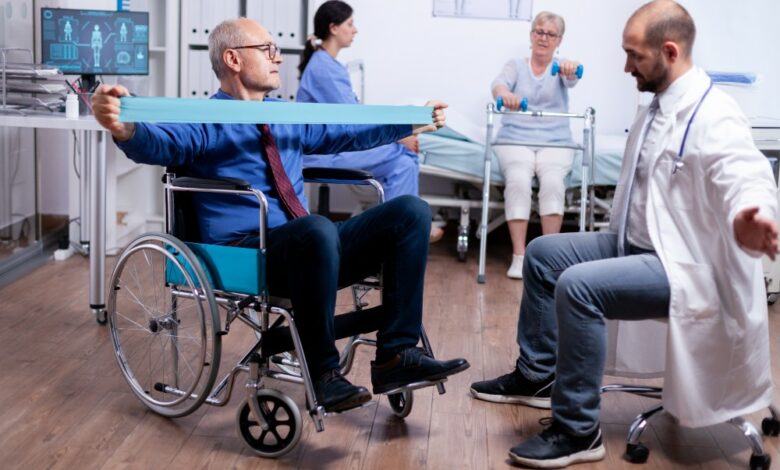
Patients with limited mobility often face extra hurdles when it comes to receiving medical care. Travelling long distances, waiting in crowded clinics, or arranging special transport can be exhausting and discouraging, leaving many without timely medical attention when it is most needed.
In-home medical visits provide a practical answer to these challenges. By delivering professional care directly in the home, they ease the strain of travel and create a safer, more supportive experience. This is why Winnipeg doctor house calls are becoming increasingly valuable for patients today.
The Challenges of Limited Mobility
-
Daily Struggles in Reaching Care
Patients with mobility issues often find even simple travel exhausting. Waiting in crowded clinics can worsen pain, cause anxiety, or expose them to infections. For seniors and those with chronic conditions, the process of reaching healthcare is often more difficult than the illness itself.
-
The Emotional Burden of Dependence
Limited mobility is not only physical; it affects a person’s independence and confidence. Relying on family members or caregivers for every medical appointment can make patients feel dependent. Home visits by doctors help restore dignity by offering professional care right at their doorstep.
How In-Home Visits Improve Accessibility
Bringing Care Directly to the Home
When a doctor comes to a patient’s home, it eliminates the need for long travel and waiting times. Medical consultations, prescriptions, and follow-ups can all happen in a comfortable environment, reducing stress for patients who already face daily mobility struggles.
Healthcare as Equal Access
Accessibility is more than just convenience; it is about equality in healthcare. Everyone deserves timely medical attention, no matter their physical limitations. House call services allow patients to focus on recovery and comfort, while still receiving proper professional care.
Personalized and Comfortable Care
In-home medical visits often allow doctors to spend more time with patients. Unlike busy clinics where consultations may feel rushed, house calls encourage detailed discussions about health, lifestyle, and treatment. This personal approach strengthens the relationship between doctor and patient.
Comfort in Familiar Spaces
The familiar setting of a home also helps patients feel calmer during treatment. Being surrounded by family members or caregivers during consultations provides reassurance, making healthcare feel more approachable and supportive. Comfort often leads to better cooperation and faster recovery.
Reducing the Caregiver’s Burden
For people with limited mobility, caregivers play a vital role in daily routines. In-home visits ease the burden on caregivers by reducing the stress of arranging transport or managing long clinic visits. They can also participate in discussions with the doctor directly.
Teamwork for Better Outcomes
This shared involvement ensures that caregivers understand the treatment plan and can provide proper support. It also creates a team approach to health, where patients, caregivers, and doctors work together toward better outcomes and smoother recovery.
Stronger Patient-Doctor Bonds
Doctor house calls build stronger trust between patients and physicians. Over time, doctors can better understand the patient’s living conditions, daily challenges, and support system. This knowledge helps in creating more effective and realistic treatment plans.
Continuous Care for Ongoing Conditions
Such continuity of care is especially valuable for patients with ongoing health problems like arthritis, heart disease, or respiratory issues. Having a reliable doctor visit regularly ensures that complications are caught early and treatment is adjusted to suit changing needs.
Reducing Travel-Related Risks
Travelling to clinics often exposes patients to new risks, such as falls, accidents, or exposure to infections in crowded places. For individuals with weakened immunity, avoiding these risks is crucial. In-home visits create a safer environment for receiving care.
Identifying Risks Inside the Home
Doctors can also identify environmental risks inside the home. For example, they might notice unsafe furniture arrangements or a lack of mobility aids. Addressing these issues during a visit can help prevent injuries and improve overall living conditions for the patient.
The Role of Winnipeg Doctor House Calls in Modern Care
In today’s healthcare system, in-home medical visits are filling an important gap. They ensure that patients with limited mobility do not feel left behind. Winnipeg doctor house calls are not only about convenience but also about fairness, safety, and dignity in healthcare.
This approach shifts healthcare from being clinic-centred to patient-centred. It recognizes the real challenges faced by many individuals and responds with practical solutions. For patients who struggle to move freely, it is a form of care that truly makes a difference.
Conclusion
Limited mobility should not mean limited access to healthcare. In-home medical visits are designed to bring relief, comfort, and support directly to patients who need it most. By reducing barriers, house calls improve both physical and emotional well-being for countless individuals.
For seniors, people with chronic illnesses, and those recovering from injuries, these visits provide more than just treatment; they bring reassurance and dignity. By addressing mobility challenges directly, healthcare becomes more compassionate and fair, ensuring that every patient receives the care they deserve.