Losing a tooth affects far more than the appearance of your smile. While many people focus primarily on the visible gap left behind, the changes occurring beneath the surface often lead to long-term oral health complications that develop gradually over time. One of the most overlooked consequences of tooth loss is the shifting that begins to affect surrounding teeth once the natural tooth structure is no longer present to maintain proper alignment. Without timely treatment, this movement can gradually alter bite function, create spacing problems, and lead to additional dental complications in the future.
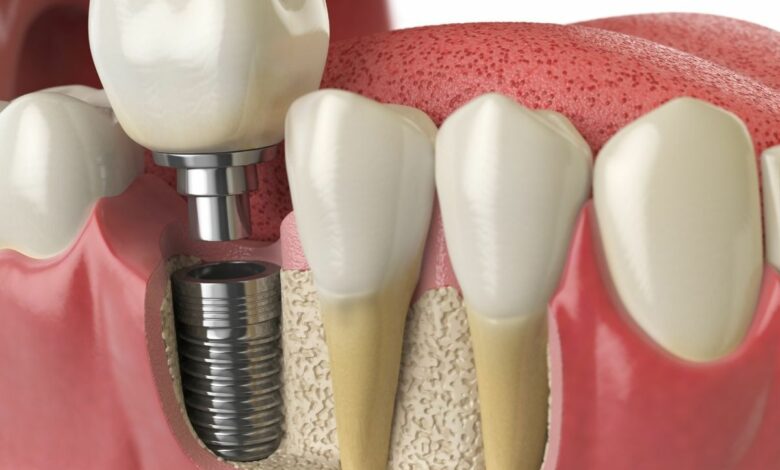
Modern tooth replacement options help restore both function and structural balance within the mouth, but one of the most effective long-term solutions remains dental implants. Patients considering a dental implant in Tampa often learn that replacing a missing tooth quickly does far more than improve appearance. Proper implant placement helps preserve natural tooth positioning, maintain bite alignment, and prevent the gradual shifting process that frequently occurs after tooth loss.
Tooth Loss Creates Empty Space That Affects Alignment
Each tooth plays an important role in maintaining the alignment and balance of the entire mouth. Teeth naturally support one another by staying in stable contact with neighboring teeth, helping preserve proper spacing across the dental arch.
Once a tooth is lost, the surrounding teeth begin to respond to the newly created space. Over time, neighboring teeth may slowly drift or tilt toward the gap. Even small movements can gradually affect overall alignment, creating spacing irregularities that may worsen if left untreated.
Shifting Teeth Can Change Your Bite Pattern
Tooth movement does not only affects appearance. As surrounding teeth gradually shift position, the way upper and lower teeth come together during chewing can begin changing as well.
Uneven bite pressure may develop as teeth move out of their original alignment, forcing certain areas of the mouth to absorb greater chewing force than intended. Over time, this imbalance may contribute to uneven wear, jaw discomfort, and increased strain during everyday function.
Replacing missing teeth early helps maintain the original structure that supports healthy bite mechanics in the long term.
Jawbone Changes Accelerate After Tooth Loss
Natural tooth roots continuously stimulate the jawbone during chewing, helping preserve bone density and structural support. Once a tooth is missing, this stimulation stops, and the surrounding bone gradually begins shrinking through a natural process called resorption.
As bone loss progresses, the surrounding teeth lose some of the structural support that helps keep them stable. This often contributes to increased movement over time and complicates future restorative treatment options.
Proper Tooth Replacement Helps Preserve Long-Term Stability
One major advantage of implant treatment is its ability to replace the missing tooth root itself rather than simply filling the visible gap. Because the implant integrates directly with the jawbone, it helps restore structural support that traditional replacement options may not fully provide.
Many patients researching providers for dental implants often discover that early tooth replacement helps preserve both bone health and the stability of surrounding teeth before alignment problems progress further.
Preventing Future Dental Complications Matters
When teeth begin shifting after tooth loss, additional complications may eventually follow. Crowding, bite imbalance, cleaning difficulties, gum irritation, and uneven pressure on surrounding teeth can gradually create larger restorative challenges later.
Replacing missing teeth promptly helps protect the long-term stability of the entire smile, not just the area where the tooth was lost. While a missing tooth may seem like an isolated issue, the effects often spread throughout the mouth over time. Northdale Dental implants help restore proper structure, support healthy alignment, and reduce the risk of unwanted tooth movement, making early treatment one of the smartest long-term investments for protecting overall oral health.


