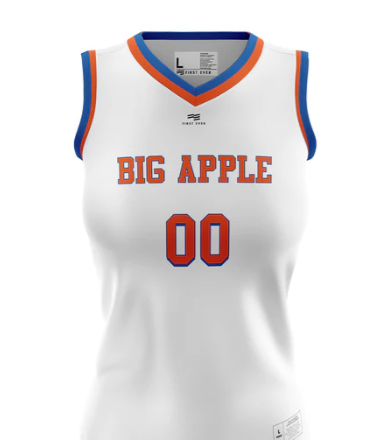
Returns and replacements work differently for custom jerseys than regular sportswear. A personalised jersey is made for a team, player, size, number, and design, so the process needs care.
Teams can avoid most return problems by checking the proof, size chart, player list, and logo files before production starts.
This guide explains common return and replacement issues, plus the steps that help teams protect their order.
Custom Orders Are Different From Stock Items
A stock jersey can often be returned or exchanged more easily. A custom jersey is made with specific names, numbers, colours, and logos.
That changes the return process. If the team chooses the wrong size or approves a misspelled name, the jersey may not qualify for a standard return. If the item has a production fault, the supplier will usually review it under their policy.
Teams should read the returns policy before ordering, not after a problem appears.
The Proof Is the Main Protection Point
The design proof is more than a preview. It is the team’s chance to catch errors before the jerseys are made.
Check every name, number, size, colour, logo, and sponsor position. A proof should not be approved until the team has compared it against the final player list.
Once production starts, corrections can become harder. The proof is where the team has the most control.
Sizing Issues Are Usually Preventable
Sizing is one of the most common reasons teams ask about replacements. The best way to reduce this risk is to measure before ordering.
Players should compare an existing jersey to the size chart. Chest width and shirt length matter more than the label inside a regular T-shirt.
For junior teams, parents should confirm sizes. Kids grow fast, so ordering too close to the limit can create problems by the time the season starts.
What Counts as a Production Issue
A production issue can include a wrong print compared with the approved proof, a clear garment fault, a damaged item, or a problem with the supplied product.
Teams should take photos as soon as they notice a problem. Keep the packaging, order details, and proof file nearby.
A clear message with photos helps the supplier review the issue faster.
What Usually Does Not Count as a Fault
Some issues come from order data rather than production. A name spelled wrong on the approved list, a player choosing the wrong size, or a late change after approval may sit outside a standard fault claim.
Colour can also vary slightly between screen view and fabric. Phone screens and computer monitors do not always show colour the same way.
This is why final checks matter. The team should approve only what it is ready to receive.
How Replacement Requests Usually Work
Most replacement requests start with a review. The team provides the order number, photos, proof file, and a short description of the issue.
The supplier then checks whether the jersey matches the approved proof and whether the product has a fault. If the issue qualifies, the supplier can explain the next step.
Keep the message direct. List the item, player name, size, number, and issue in one place.
Plan for Late Players and Extra Sizes
Late players are not the same as replacements. If a new player joins after the order, the team may need to place an add-on order.
A few spare jerseys can help. Blank extras in common sizes work well for social teams and junior squads. A spare goalkeeper jersey can help during busy seasons.
Spare jerseys are cheaper than stress. They give the manager room to move.
How to Reduce Return Problems Before Ordering
The best return process is the one the team never needs. Careful order checks stop most problems early.
Use one final spreadsheet, ask each player to confirm details, review the proof slowly, and keep all order files together. Do not approve artwork through rushed group chat messages.
Teams ordering custom jerseys in australia should treat size checks and proof approval as part of the design process, not admin afterthoughts.
What to Do When the Order Arrives
Open the parcel and check the jerseys before handing them out. Count the items. Match each jersey to the player list.
Look for spelling, size, number, logo placement, and visible damage. Take photos of any issue before the jersey is worn or washed.
This gives the team a cleaner record if a replacement request is needed.
Final Thoughts
Returns and replacements for custom jerseys depend on the reason for the issue. Team data, approved artwork, and production faults are treated differently.
Measure carefully, approve slowly, and check the order as soon as it arrives. That is the simplest way to protect the team.
FAQs
Can custom jerseys be returned for the wrong size?
It depends on the supplier policy and the reason for the sizing issue. Teams should measure before ordering and check the size chart.
What should I do if a custom jersey arrives with a fault?
Take photos, keep the order details, and contact the supplier with a clear description of the issue.
Can a team order replacements for new players?
Yes. New players usually need an add-on order rather than a return or replacement claim.