- Why Hair Loss Happens in Men and Women
- Techniques Used for Hair Transplants
- Expectations and Outcomes
- The Growing Popularity of Hair Transplant in Pakistan
- Key Considerations Before a Hair Transplant
- Why Gender Matters in Hair Restoration
- Final Thoughts
Hair loss affects both men and women, but the causes, patterns, and expectations of treatment can be very different. Today, Hair Transplant in Pakistan has become a popular and reliable solution for individuals seeking natural-looking hair restoration. With advancements in medical technology, both men and women can now benefit from safe and effective procedures. However, there are certain distinctions in how these treatments are approached depending on gender. Understanding these differences can help patients make informed decisions and set realistic expectations.
Why Hair Loss Happens in Men and Women
Hair loss in men is primarily caused by androgenetic alopecia, commonly known as male pattern baldness. It typically starts with a receding hairline and thinning at the crown, eventually leading to bald patches. In contrast, women often experience diffuse thinning across the scalp rather than complete baldness. Female hair loss can also be influenced by hormonal changes, pregnancy, stress, and underlying medical conditions.
Because the patterns are different, doctors must evaluate each case carefully to determine whether transplantation is suitable. For men, restoring the hairline and adding density to the crown is usually the main focus. For women, improving overall thickness and creating a fuller look across the scalp often takes priority.
Techniques Used for Hair Transplants
Modern clinics in Pakistan offer advanced methods such as Follicular Unit Extraction (FUE) and Follicular Unit Transplantation (FUT).
-
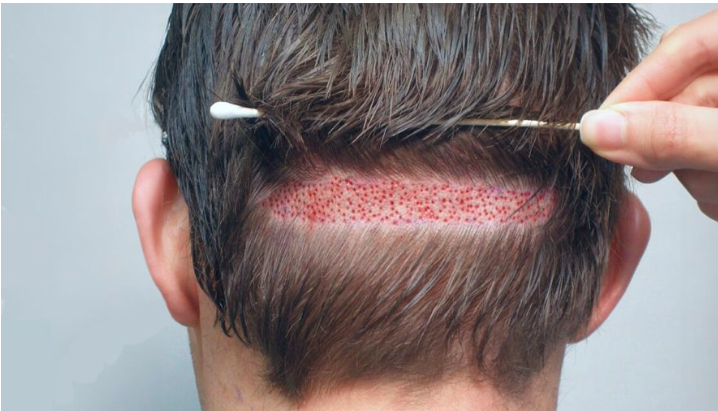
For Men: The FUE method is often preferred, as it allows precise placement of hair follicles to create a natural-looking hairline. Men typically have stable donor areas at the back of the scalp, making the procedure more predictable.
-
For Women: Since women may have less stable donor regions, FUT or a combination of FUT and FUE may be recommended. In some cases, women may be candidates for hybrid hair transplant, which blends techniques to maximize results and coverage.
These tailored approaches ensure that both men and women achieve results suited to their unique needs.
Expectations and Outcomes
One of the key differences between men and women undergoing hair transplantation lies in expectations.
-
Men: Most male patients want to regain a youthful hairline and eliminate visible bald patches. The results can be quite dramatic, often boosting self-confidence and appearance significantly.
-
Women: Female patients usually seek an improvement in hair density rather than a restored hairline. For them, even subtle changes can create the appearance of fuller, healthier hair.
Doctors emphasize realistic outcomes to ensure satisfaction. While men may achieve a noticeable transformation, women often benefit from a softer yet meaningful enhancement in overall hair volume.
The Growing Popularity of Hair Transplant in Pakistan
Over the past decade, the demand for hair transplants has surged. Pakistan is now home to several internationally recognized clinics that attract not only local patients but also individuals from abroad. Skilled surgeons, state-of-the-art technology, and cost-effective treatment options have made the country a preferred destination for many.
People seeking the best hair transplant in Lahore often find that the city offers a wide selection of reputable specialists with proven track records. Whether for men or women, these clinics provide comprehensive consultations, personalized treatment plans, and long-term support to ensure patient satisfaction.
Key Considerations Before a Hair Transplant
-
Consultation: Both men and women should undergo a detailed consultation to assess hair loss patterns, donor area stability, and medical history.
-
Choosing the Right Technique: Selecting between FUE, FUT, or a combination depends on gender, extent of hair loss, and desired outcome.
-
Post-Procedure Care: Following doctor’s advice on scalp care, medications, and lifestyle adjustments is essential for achieving the best results.
-
Long-Term Outlook: While transplanted hair is usually permanent, patients must maintain healthy habits to prevent further thinning in untreated areas.
Why Gender Matters in Hair Restoration
The differences between male and female hair loss are not just cosmetic but biological. Men typically retain more donor hair, making transplants more straightforward. Women, however, require more careful planning due to the diffuse nature of their hair thinning. Surgeons must design a treatment that not only adds density but also maintains a natural look without overharvesting donor areas.
This distinction underscores the importance of choosing an experienced surgeon who understands these gender-specific challenges. Patients who seek a hair transplant in Lahore or other major cities in Pakistan should research clinics with a strong reputation for treating both male and female patients successfully.
Final Thoughts
Hair loss can affect self-esteem regardless of gender. Fortunately, modern solutions are bridging the gap and providing lasting results for everyone. While men often focus on restoring a receding hairline, women prioritize achieving natural thickness and overall density. Both goals are achievable with the right approach and skilled medical expertise.
As demand for Hair Transplant in Pakistan continues to grow, patients can now access advanced techniques, experienced surgeons, and affordable options tailored to their needs. Whether male or female, a properly planned and executed procedure can offer life-changing confidence and satisfaction.


