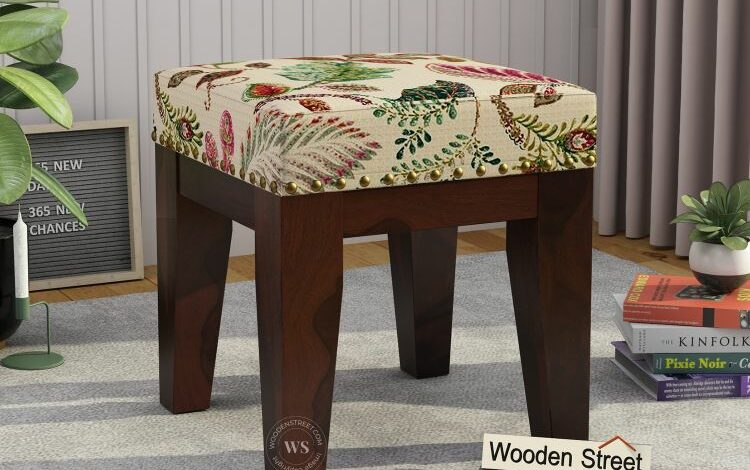
A stool is one of the most versatile pieces of furniture in any home or commercial space. Unlike chairs, stools are compact, lightweight, and often movable, making them an essential addition to kitchens, bars, offices, and even outdoor areas. Choosing the right stool for a particular space requires understanding the different types available and how they can serve both functional and aesthetic purposes. In this article, we will explore the various types of stools and provide guidance on using them effectively in your living or working space.
Bar Stools for Elevated Seating
Bar stool are taller than standard chairs and are designed for high surfaces like kitchen islands, breakfast bars, and bar counters. They typically have a seat height ranging from twenty-eight to thirty-two inches, making them ideal for elevated surfaces. Bar stools can come with or without backrests, and some feature swivel seats for added convenience. When using a bar stool in a kitchen or dining area, it is important to ensure that the height aligns with the counter to provide comfortable seating without causing strain on the legs or back.
Bar stools are not only practical but also add style to the space. They are available in materials such as wood, metal, and upholstered fabrics, allowing homeowners to match the stool with the existing décor. For small spaces, a minimalist metal or wooden bar stool can save room while still providing functional seating. Additionally, adjustable bar stools are ideal for spaces where multiple users of different heights may need seating.
Counter Stools for Everyday Use
Counter stools are slightly shorter than bar stools, typically ranging from twenty-four to twenty-six inches in seat height. These stools are designed for kitchen counters, islands, and work surfaces where a lower seat is more practical. Counter stools often come with footrests, providing additional comfort during extended periods of sitting.
Using counter stools effectively involves placing them at the right height relative to the counter. A general guideline is to leave at least ten inches between the stool seat and the counter surface to allow for comfortable leg movement. Counter stools can also be used in informal dining settings or home offices, where their lower height makes them versatile and easy to integrate into various rooms. They are available in a wide range of materials, from sleek metals to natural woods, and can complement both modern and traditional interiors.
Folding Stools for Space Saving
Folding stools are highly practical for homes with limited space or for situations where temporary seating is needed. These stools are designed to be easily folded and stored away when not in use, making them ideal for small apartments, outdoor gatherings, or extra seating during parties.
When using folding stools, consider their weight capacity and stability to ensure safety. They are available in lightweight materials such as aluminum or sturdy wood, and some come with cushioned seats for added comfort. Folding stools are particularly useful in multi-purpose rooms where furniture needs to be versatile. They can also be used outdoors for gardening, camping, or picnics, providing portable seating wherever it is needed.
Step Stools for Practical Function
Step stools are designed primarily for utility rather than leisure. They help reach high shelves, cupboards, or other elevated areas safely. These stools are generally shorter and sturdy, with wide bases to ensure stability. Some step stools come with additional features such as handles or anti-slip feet, making them safer for everyday use.
Step stools can also double as seating in certain situations, especially in kitchens or workshops where a quick seat may be needed. When selecting a step stool, it is important to consider its weight limit, construction material, and ease of storage. Wooden step stools provide durability and can blend seamlessly into home décor, while plastic or metal options are often lighter and easier to move.
Saddle Stools for Ergonomic Comfort
Saddle stools have a unique design that resembles a horse saddle and encourages an upright sitting posture. These stools are commonly used in workplaces such as salons, medical offices, or studios where prolonged sitting is required. The saddle design promotes proper spinal alignment and reduces pressure on the lower back, making them suitable for ergonomic seating.
Using a saddle stool effectively involves adjusting the height and tilt according to the user’s body and workspace. These stools often come with adjustable heights and swivel features, allowing users to move freely while maintaining comfort. Although primarily used in professional settings, saddle stools can also be incorporated into home offices or creative spaces where ergonomic seating is beneficial.
Backless Stools for Minimalist Interiors
Backless stools are simple, compact, and highly versatile. Without a backrest, these stools occupy less space and can be tucked under counters or tables when not in use. They are ideal for casual seating, small kitchens, or areas where mobility is required.
When using backless stools, comfort can be enhanced with cushions or padded seats, especially for longer periods of sitting. Their minimalist design makes them suitable for modern interiors, and they are available in a variety of materials, including wood, metal, and plastic. Backless stools are perfect for creating flexible seating arrangements and can be easily moved between rooms as needed.
Choosing the Right Stool for Your Space
Selecting the right stool involves considering several factors, including the height of the seating surface, the intended use, the available space, and the overall design aesthetic. A stool should provide comfort, stability, and style while complementing the surrounding décor. For kitchens and bars, bar stools and counter stools are practical and stylish, while folding or backless stools are excellent for small spaces or temporary seating needs.
The material of the stool also plays an important role in its usability and longevity. Wooden stools offer durability and a timeless look, metal stools provide strength and a modern edge, and upholstered stools add comfort and sophistication. Additionally, adjustable stools offer flexibility, making them suitable for multiple users and various spaces.
Conclusion
Stools are more than just simple seating options they are versatile, functional, and stylish pieces of furniture that can enhance any space. From bar stools and counter stools to folding, step, saddle, and backless designs, each type of stool serves a specific purpose and can be used effectively when chosen thoughtfully. By understanding the different types of stools and their applications, homeowners and office managers can create practical, comfortable, and aesthetically pleasing seating arrangements. Whether for casual seating in a kitchen, ergonomic support in a workspace, or space-saving solutions in small apartments, stools remain an indispensable and adaptable part of modern interiors.



