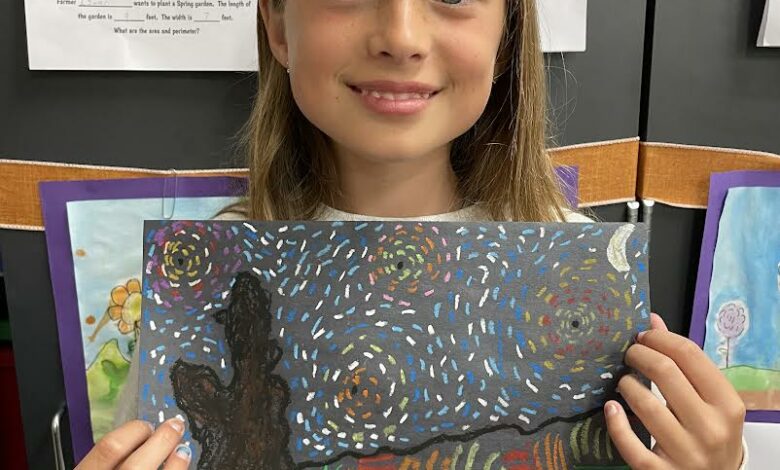
Some teachers are remembered for a single phrase, a patient explanation, or the moment they helped a student see their own ability clearly. The most influential artists can offer that same kind of guidance. Their work opens a door into new ways of thinking, making, and understanding the world.
“35 Master Artists That Students Will Remember Years After They Graduate” brings art history into the classroom through standards-based lessons and hands-on learning. Students study the ideas, techniques, and creative choices of important artists while developing practical skills of their own. Each lesson connects historical knowledge with meaningful studio work, helping students build creativity, confidence, and real technique.
Who We Are
The program is created for educators who want art history to become an active part of learning rather than a list of names and dates. Its approach combines clear instruction, thoughtful context, and projects that invite students to work with purpose.
The team values curiosity, craftsmanship, cultural understanding, and the belief that every student can grow through creative practice. Lessons are designed with classroom realities in mind: they are structured, adaptable, and suitable for different levels of experience. The result is a learning experience that respects both the traditions of art and the individual voice of each student.
What the Collection Offers
The collection presents 35 master artists whose work continues to influence how people see color, shape, movement, space, identity, and society. Students explore a range of artistic approaches while learning how artists respond to their time, surroundings, and personal questions.
The lessons include:
- Standards-based objectives that support purposeful planning.
- Background information that makes each artist’s work accessible and relevant.
- Hands-on projects focused on observation, composition, color, technique, and expression.
- Flexible options for different ages, skill levels, and classroom settings.
- Opportunities to discuss artwork, develop ideas, revise work, and reflect on results.
- Practical guidance that helps students move from inspiration to finished piece.
Instead of copying famous works, students examine how artists made decisions and then use those ideas to develop original responses. This gives them room to experiment while building a strong foundation in technique.
When It’s Useful
This collection is an ideal choice when educators need to:
- Plan engaging art history units with clear learning goals.
- Introduce students to influential artists from different periods and traditions.
- Connect creative projects with curriculum standards.
- Give learners more confidence with materials and artistic decisions.
- Add depth to a classroom project, workshop, or homeschool program.
- Encourage thoughtful discussion alongside practical making.
- Help students understand that technique and imagination grow together.
Why Choose This Program
The program stands apart by treating art history as a starting point for action. Students do not only learn who an artist was; they explore what that artist noticed, questioned, changed, and made possible.
Its strengths include carefully organized lessons, a balance between knowledge and practice, and projects that allow personal interpretation. The collection also helps educators create a classroom where experimentation is supported but technique still matters. Students leave with more than completed artwork. They gain a deeper understanding of the creative process and a stronger sense of what they can achieve.
Explore the Collection
Discover the artists, lessons, and practical projects that can shape the way students learn and create. Explore the full collection and find a thoughtful starting point for the next art experience: https://meetthemasters.com/artists/


